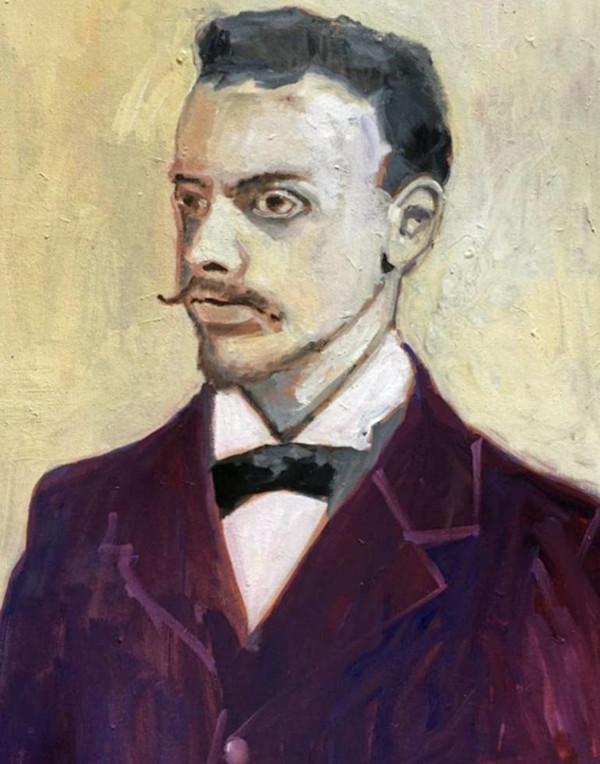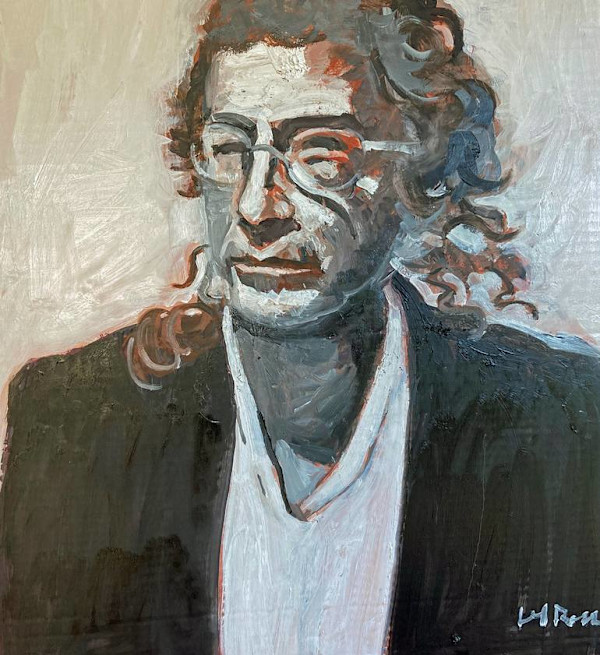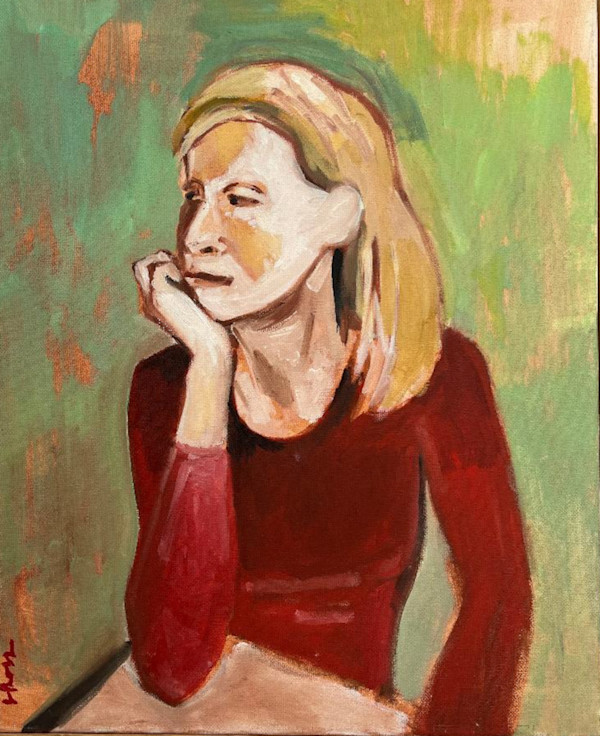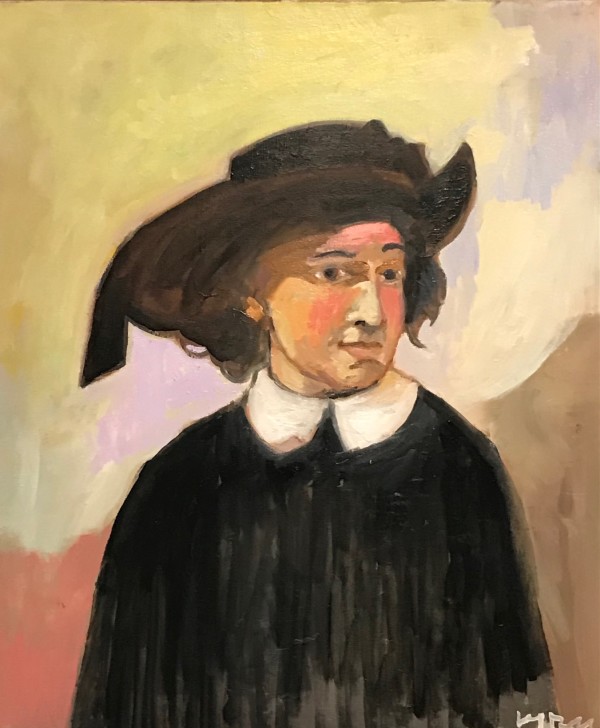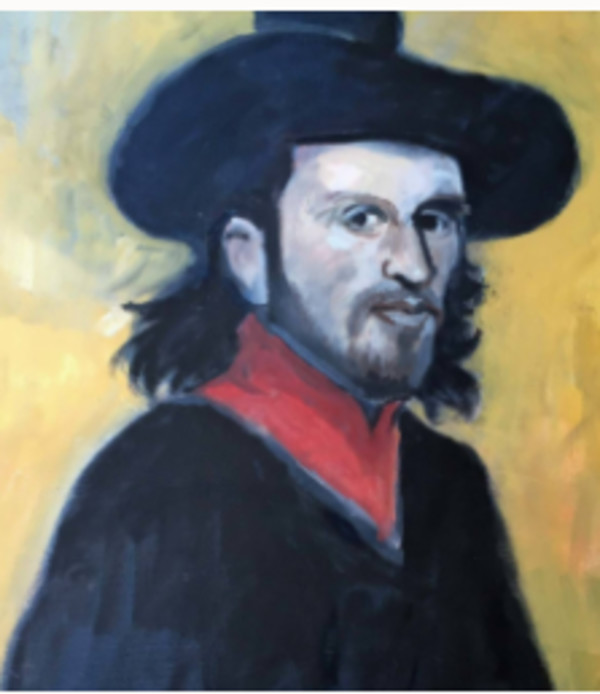
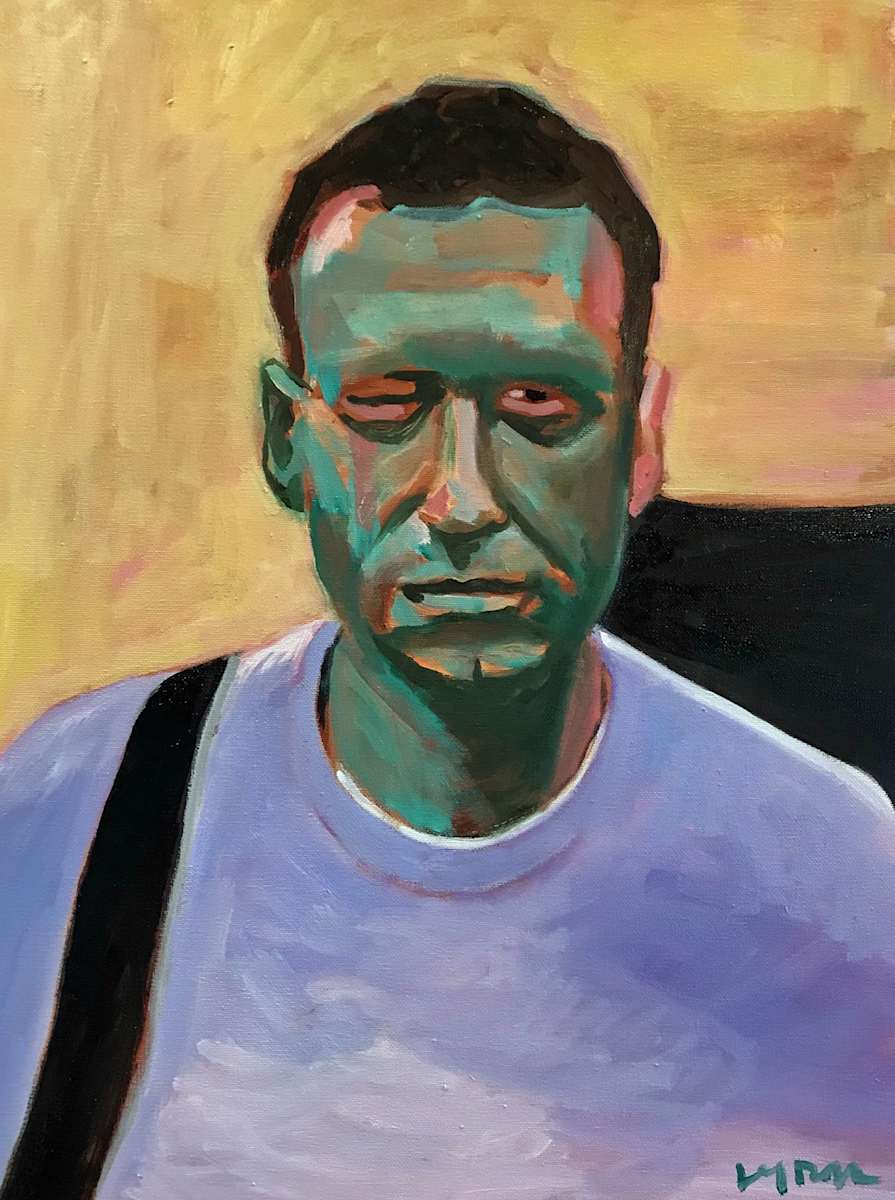
This portrait of Alexei Navalny refuses comfort. The face is poisoned green, not as theatrical invention, but as political fact — the visible residue of a state so frightened of dissent that it turned chemistry itself into a weapon. In the tradition of American verismo, the painting does not seek polished heroism or sentimental martyrdom. It seeks truth stripped bare: the exhausted eyes, the bruised flesh tones, the lonely figure emerging from darkness with the quiet gravity of someone already marked by history.
The green face becomes a kind of modern macchia — a stain that cannot be hidden, a scar left by autocracy upon the human body. The brushwork remains direct, almost blunt, because verismo has always distrusted propaganda, spectacle, and the cosmetic lie. Truth in painting, like truth in politics, begins with refusing embellishment. The authoritarian state understands this instinctively. Whether under Putin’s Russia or within the increasingly oligarchic tendencies of the United States under Trumpism, the greatest danger to concentrated power is not merely opposition, but visibility itself: the dissident, the journalist, the whistleblower, the artist, the citizen who insists on naming what is plainly there.
In this sense, the portrait is not only about Russia. It is about every system that seeks to criminalize truth while manufacturing illusion. Navalny’s battered face stands as a warning that verismo — whether in painting, literature, or political speech — is inherently dangerous to autocrats because it tears away theatrical masks. The painting’s stark contrasts and simplified masses reinforce this confrontation. There is nowhere for the viewer to hide in decorative beauty. One encounters instead the human cost of power and the stubborn persistence of conscience.
The work therefore functions simultaneously as portrait and indictment: a modern icon of resistance painted in the language of mass macchia, where broad planes of color and shadow become moral forces. The poisoned green is transformed into something paradoxical — not merely sickness, but evidence. Evidence that truth was spoken loudly enough to provoke fear in empire itself.
- Subject Matter: Portrait
- Collections: Jack Sprat