• Portfolio
  • About
  • Collections
  • Artists
  • Log In
Artwork Archive Logo
  • Discovery

Collections of the Von Schmidt Family Trust

Enlightenment through Art …………. Simply touch any photo to bring up its history

Message
  • Portfolio
  • About
  • Collections
  • Artists
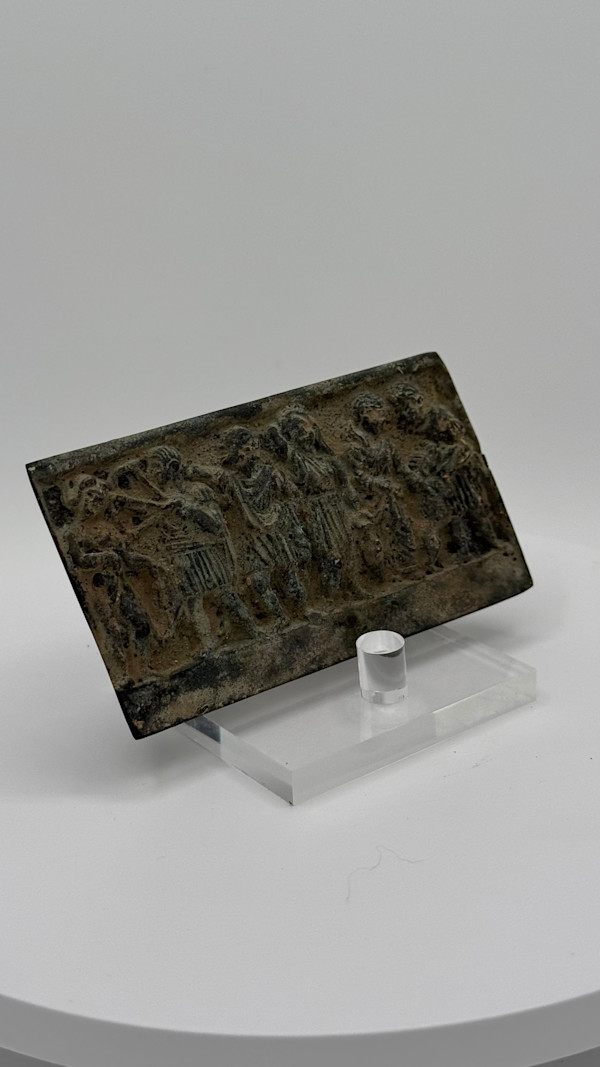
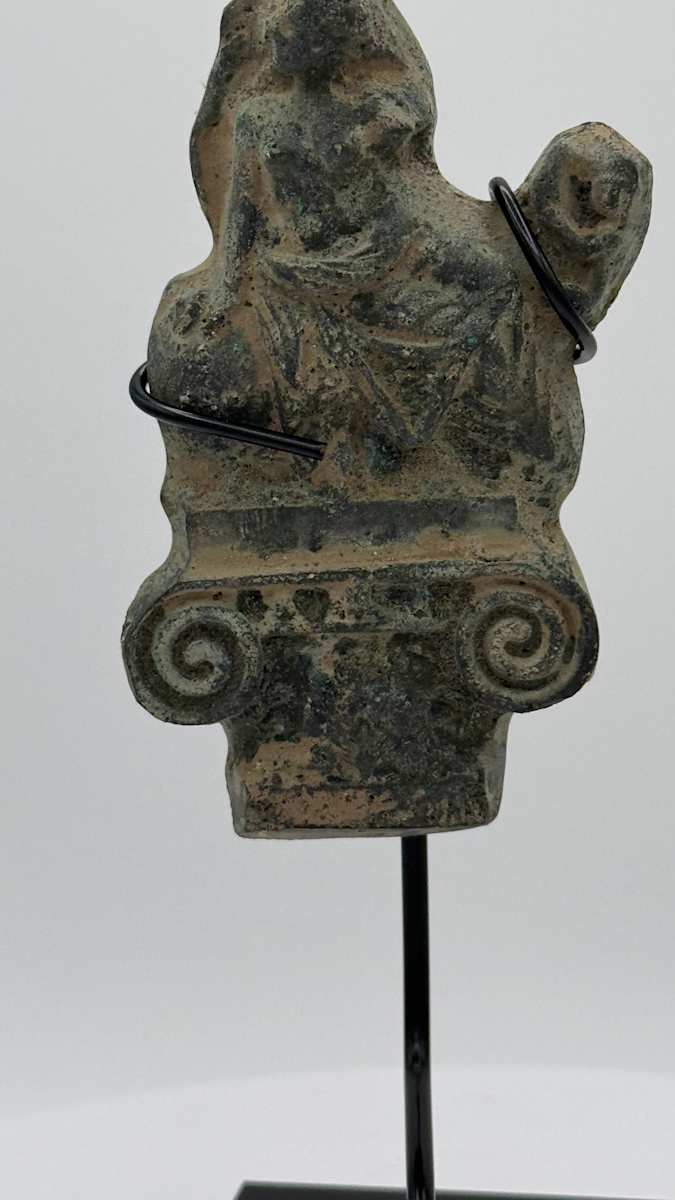
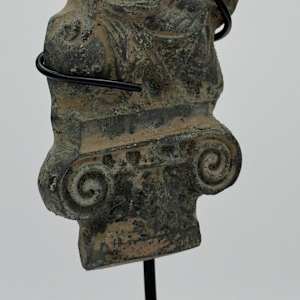
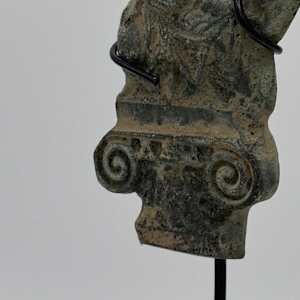
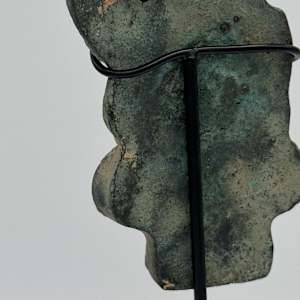
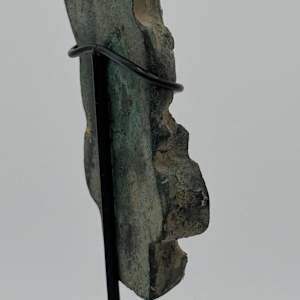
ROMAN BRONZE VOTIVE PLAQUE DEPICTING A GODDESS, 2ND CENTURY CE - 3RD CENTURY CE
  • ROMAN BRONZE VOTIVE PLAQUE DEPICTING A GODDESS, 2ND CENTURY CE - 3RD CENTURY CE, 2nd Century
  • Bronze
  • 3.5 in (8.89 cm)
  • Inv: 3017 Von Schmidt Famil...
  • Inquire
  • Share
  • Facebook logo facebook Share this blog post via Facebook
  • Twitter logo twitter Share this blog post via Twitter
  • LinkedIn logo linkedin Share blog post via LinkedIn
  • Email logo email Share this blog post via email
Prev
Next

Small votive plaques forged from precious metals such as this one were common to the regions of the western Black Sea coast under Roman control. Scholars believe that the images of a woman likely represent the Phyrigian goddess Cybele. Even as Hellenistic influence began to infiltrate Asia Minor, the Anatolian cult of the mother goddess, which can be traced back to the Neolithic era, remained a vital force. Based on the late Hittite goddess Kubaba, Cybele represented the most contemporary adaptation of this ancient fertility goddess. Called the Great Mother, she was one of the few Eastern deities whose cult was absorbed into the Roman pantheon almost fully intact.
Here, she is depicted in the form of a woman wearing a garment belted just below her breasts. A headdress symbolizing the walls of a city she presumably protected crowns her head. She holds her arms in front of her, revealing her open palms to the viewer. The Great Mother Goddess of Anatolian mythology was worshipped before history was first recorded. Over time, her name and image changed as her cult was adopted and adapted by the varying civilizations that at one time ruled the land of Asia Minor. Here, on this bronze votive plaque, we witness this deity as she appeared to the Romans. Centuries later, this portrayal of the ancient Mother Goddess would survive in the form of the Virgin Mary, who is traditionally represented in Eastern Orthodox art forming a similar gesture.

  • Subject Matter: Roman
  • Collections: Von Schmidt Family Trust Antiquities Collection

Other Work From Collections of the Von Schmidt Family Trust

18th C. Indo-Persian Leather Dhal Shield
Medieval horse shoe half
Civil War Cannon Ball
Stonehenge Ancient Gold Working Tool
Roman Bronze Bust Oil Lamp 1st Century
Roman Bronze Votive Offering Plaque 1st Century
Late Or Post Medieval Russian Orthodox Icon Relic - Ca 1500-1700’s
Medieval European Iron Battle Weapon Blade
5th C. Holyland Byzantine Glazed Pottery Storage Jar
Ancient Ban Chiang Pottery Jar w/ Incised Decoration
See all artwork from Collections of the Von Schmidt Family Trust