
Forasteros
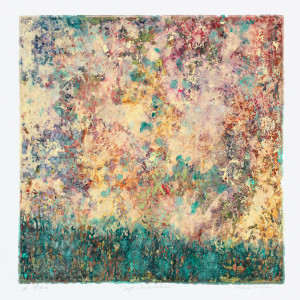
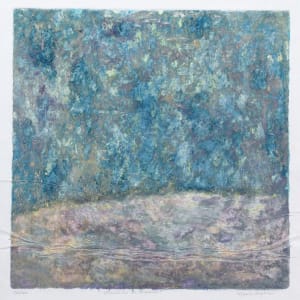
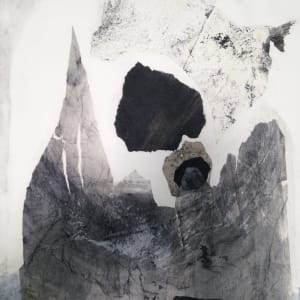
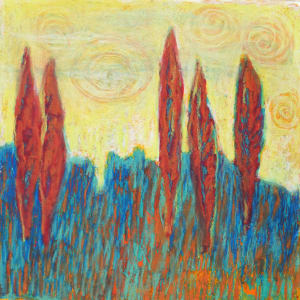
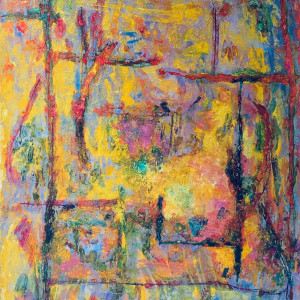
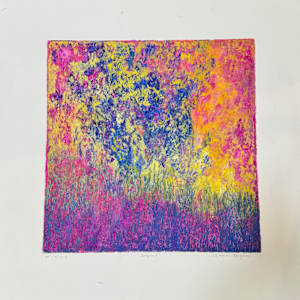
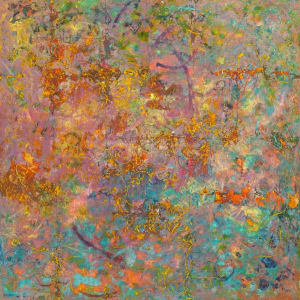
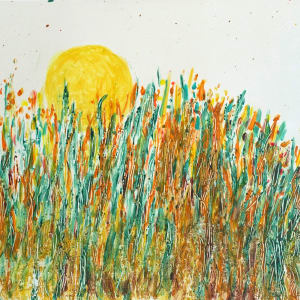
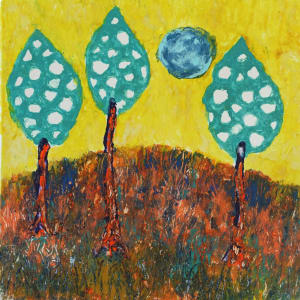
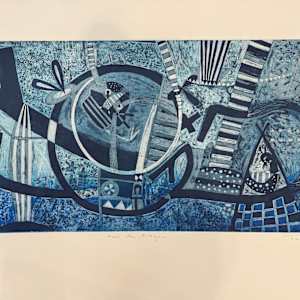
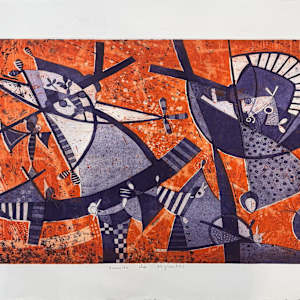
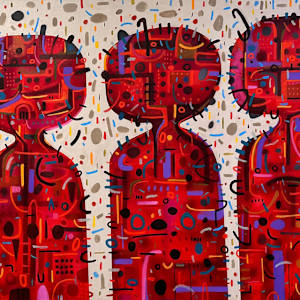
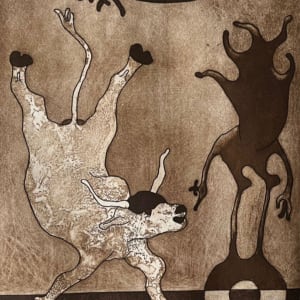
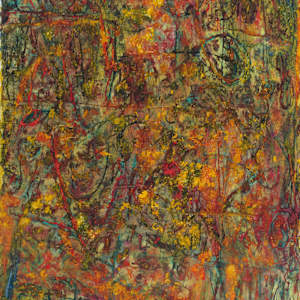
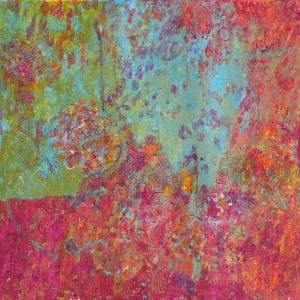
The Four artists participating in the FORASTEROS exhibition are well-known members of one of the most vibrant and rich artistic legacies in Mexico. Rolando Rojas, Saúl Castro, Didier Mayes and Ixrael Montes are artists and printmakers who live and work in Oaxaca. Each has his own distinct style; however, all are associated with, and inspired by a long visual arts tradition that includes such illustrious Masters as Rufino Tamayo, Francisco Toledo, Guillermo Cabrera, Rodolfo Morales and Rodolfo Nieto. The Southern region of Mexico, where Oaxaca is located, is routinely celebrated for its unique artistic and graphic arts output, its cultural institutions and a plethora of art and printmaking studios. The work of these artists, which has been exhibited around the world, exemplifies the exquisite quality and range of contemporary art and printmaking in Mexico.

FRANCISCO PEREIRA
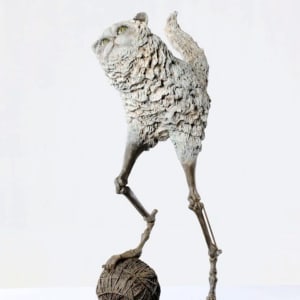
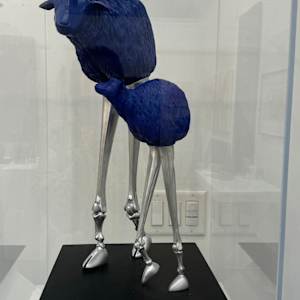
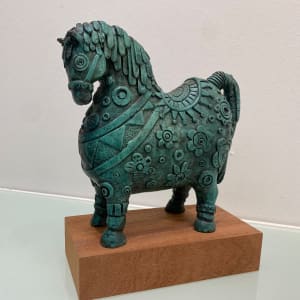
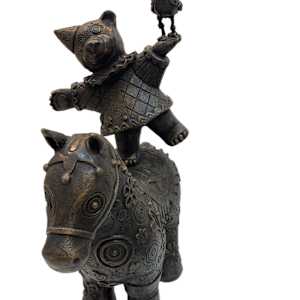
Francisco Pereira, sculptor and architect born in Caracas, Venezuela (1959) transforms his fantastic universe into sculptures. The artist from Caracas has developed the theme of the evolution of the psyche, from a series of unique and very particular characters, whom he decided to call Bipeds. Animals that move like psychological figures that are in a constant process of transformation, from the animal to the human, from quadrupeds to bipeds. A surprising bestiary that delves into the dreamlike imaginary, which delves into the surreal style. His relationship with the arts first manifested itself in architecture, in which he managed to relate art to space, and under this concept he carried out various projects. It could be said, however, that his work as a sculptor began to make sense in his investigations into various clay models and resin sculptures, which later inevitably led to bronze casting. The symbology of the Bipeds alludes to the psychic transformation of the animal, our natural essence, towards the consciousness of the human. In his creative process, he has been shaping his own bestiary whose protagonists have their own names: Bifante, Birafa, Bidog, among others. Through the Bipeds, Francisco Pereira seeks to express the journey of life, whose port of departure we know, but not the one of arrival. This creative metamorphosis occurred at a moment of personal maturity, when the reflection of lived experiences incubated a latent work that transformed instinct
into reason. The work invites the viewer to connect beyond visual enjoyment to travel a journey towards personal transformation. In October 2013, the solo exhibition Bípedos: mirrors of the psyche was shown to the public at the D’Museo Gallery in Caracas. The exhibition catalog was awarded by the International Association of Art Curators AICA, as “Best Catalog of the Year” designed by the visual artist UAIO Antor. A year after this solo show, his work Apocalypse was selected to participate in the prestigious 67 Arturo Michelena Biennial Salon. In 2016 the artist participated in the collective exhibition organized by the Development Bank of Latin America (CAF) where he presented the piece LETRAS, a tribute to Miguel de Cervantes 400 years after his death. LETRAS talks about the evolution of the Spanish language represented by Rucio and Rocinante, animal characters from Don Quixote. Francisco Pereira’s Bípedos have toured prestigious fairs, such as the Caracas Ibero-American Art Fair (FIA), the KIAF in Seoul, PINTA New York, Barcú in Bogotá, as well as ArtLima in Peru and Art Shanghai, in China. Francisco Pereira has participated in different individual and collective exhibitions in Caracas. His work has also been shown at the Zulia Museum of Contemporary Art (Maczul). In his most recent work, Pereira reflects on the difficult universal phenomenon of migration, which in recent history millions of Venezuelans have suffered while fleeing the iron dictatorship that has been installed in the country. A diaspora that resembles the process suffered by hundreds of Africans who cross the Mediterranean every day, Syrians who cross the continent in search of refuge, and Cubans who get on a raft after their freedom. The Migrants are related to the Bipeds in their long lower extremities, their transformation, the tension of opposites, the pain of abandoning the origin and uprooting. Artist Statement “My work does not come by chance, nor is it given freely by the muses, the transit for the maturation of ideas is long, full of readings, sketches, work, and experiences that feed the blooms of the unconscious. This has been my experience in years of artistic work. Consequently, through my bronze sculptures, I open a window where I explore and represent the complexity of the hidden, repressed and transforming aspects of the psyche. Its connections between the conscious and the unconscious are symbolized by anthropomorphic forms full of symbolism, composed of textures with dark and dull colors, thus evoking the presence of the inner shadow, inviting reflection on our duality and the importance of accepting our darkest parts.”
web:
franciscopereiraescultor.com
Instagram:
franciscopereiraescultor
FULGENCIO LAZO
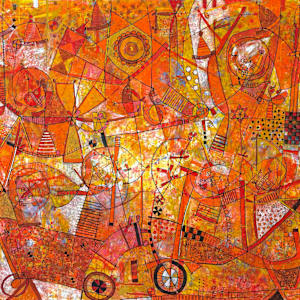
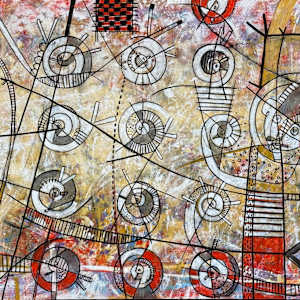
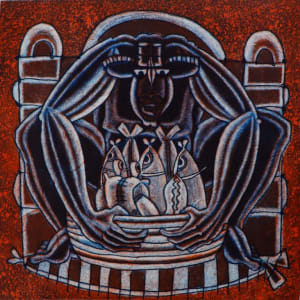
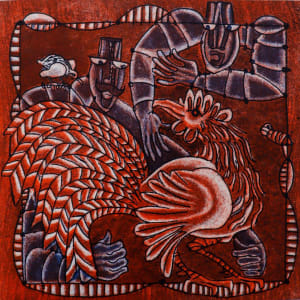
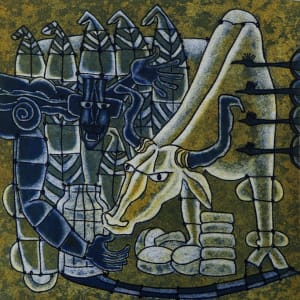
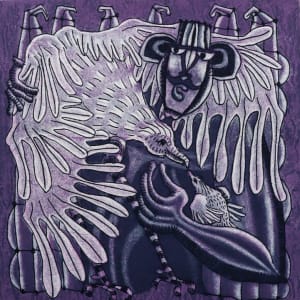
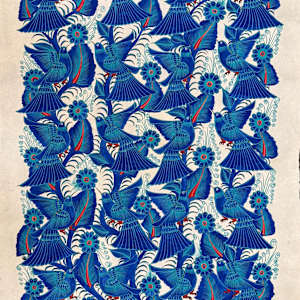
Fulgencio aims to create warm, vibrant, whimsical images that celebrate family and community. His artwork depicts elements characteristic of his Oaxacan and Mexican heritage, like masks and human figures in an exploration of themes of identity. Color and graceful lines evoking free movement are ever-present in his pieces, bringing joy to the viewer.
Fulgencio was born in Oaxaca, Mexico and studied at the Fine Arts School at the University of Benito Juárez of Oaxaca, under Professor Shinzaburo Takeda, where he specialized in printmaking. In 1990, Fulgencio came to Seattle to study lithography at Cornish College of the Arts on a post-graduate scholarship provided by Cornish and El Centro de la Raza, a community-based organization. Despite his intentions of returning to his native Oaxaca, he fell in love and initiated his bi-national career, dividing his time between Seattle and Oaxaca.
Fulgencio was born in Oaxaca, Mexico and studied at the Fine Arts School at the University of Benito Juárez of Oaxaca, under Professor Shinzaburo Takeda, where he specialized in printmaking. In 1990, Fulgencio came to Seattle to study lithography at Cornish College of the Arts on a post-graduate scholarship provided by Cornish and El Centro de la Raza, a community-based organization. Despite his intentions of returning to his native Oaxaca, he fell in love and initiated his bi-national career, dividing his time between Seattle and Oaxaca.



JOSÉ LUIS HERNÁNDEZ BAÑUELOS
José Luis Hernández Bañuelos is a Mexican architect, educator, and social advocate whose work combines contemporary design with a strong commitment to improving communities. With more than three decades of professional experience, he has developed residential, hospitality, commercial, and culinary projects in Mexico and abroad, while promoting architecture that is both functional and socially responsible.
A graduate of the Universidad Anáhuac México, Hernández Bañuelos has also taught architecture, mentoring new generations of architects and emphasizing that architecture should respond to people's lives and the environment rather than follow a fixed style. His philosophy is that great architecture evolves with society while maintaining a deeply human focus.
He received national recognition for winning the 2020 housing design competition organized by Mexico's housing institute, where his proposal focused on practical, sustainable solutions for social housing.
Beyond his professional practice, Hernández Bañuelos is widely respected for his humanitarian work. Following the 2017 earthquake in Morelos, he founded Proyecto Esperanza México, an initiative that mobilized volunteers and resources to help rebuild homes for families affected by the disaster. His efforts have been recognized as an example of architecture serving the public good.
His work reflects the belief that architecture is more than the creation of buildings—it is a way to strengthen communities, preserve cultural identity, and improve everyday life through thoughtful, responsible design.
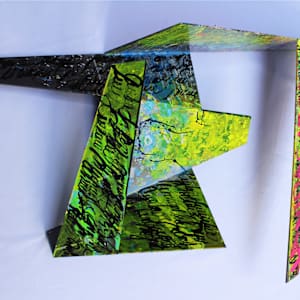
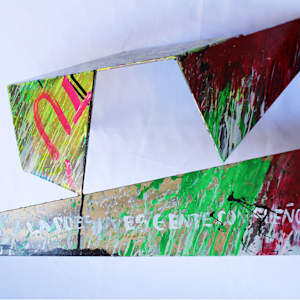
Messages from the Journey
An exhibition by José Luis Hernández Bañuelos
Curated by Rebeca Pareja
Phrases left by migrants on the steel border wall between Mexico and the United States become living sculptures.
Each piece holds energy: pain, hope, and the love that blossoms even along the hardest paths.
A collective poem runs through the metal.
And though the wall divides land, language, and lives, the pain — silent— is felt on both sides.


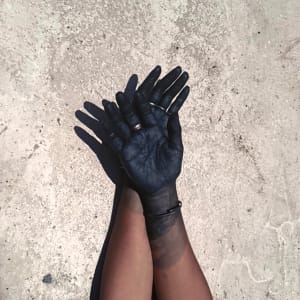



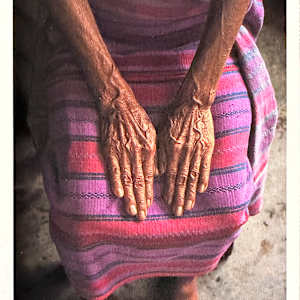
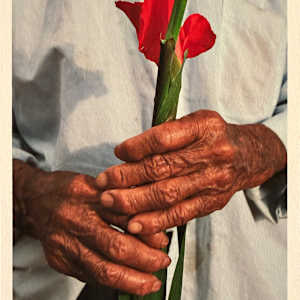
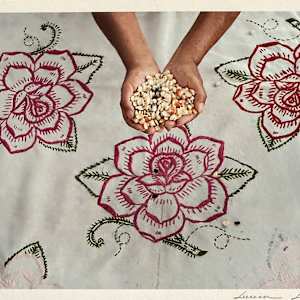
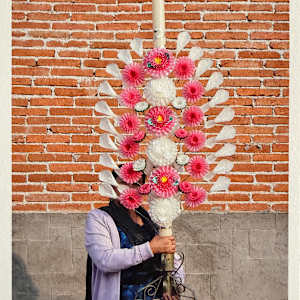
LUVIA LAZO | NIZIE
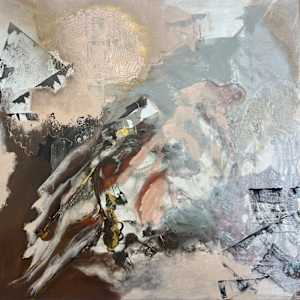
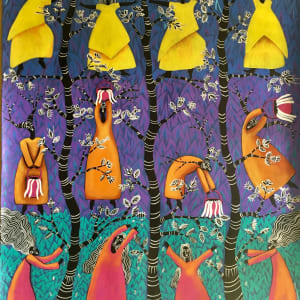
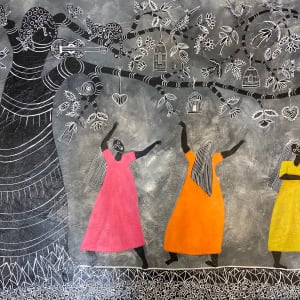
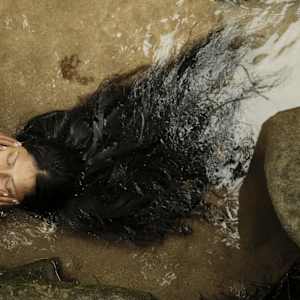
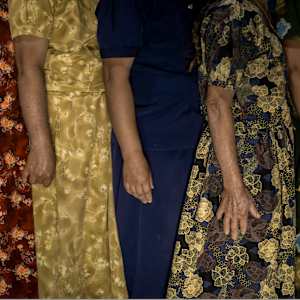
From a very young age, I began questioning gender roles within my family. As the first woman in my family to attend university, many deeply ingrained practices became more evident to me. It is often mistakenly believed that Indigenous communities are matriarchal. While women play significant social and cultural roles, many traditions and customs are designed to ensure that men make the most important decisions within the community. As a result, many women lack a voice, as it is constantly censored or invalidated. Women from the clouds is a window into the women of my family lineage and my network of support—a space that amplifies the universal desires of women, rights that, in this day and age, should not be limited by beliefs or traditions. Another key aspect of this project is portraying women who, unknowingly, have chosen to navigate these deeply patriarchal spaces on their own, breaking stereotypes of femininity and creating new possibilities of womanhood in a society that, even today, continues to fight for gender equality.
-Luvia Lazo
-Luvia Lazo

Magical and Mystical Oaxaca
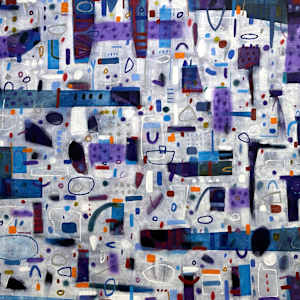
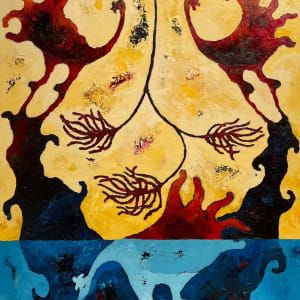
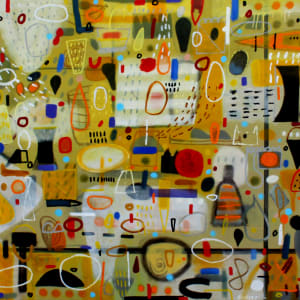
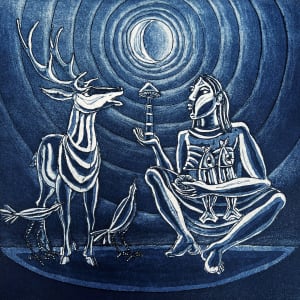
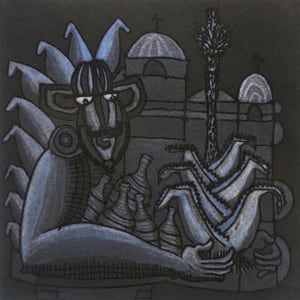
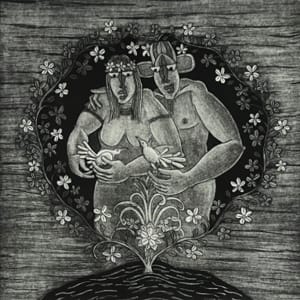
This exhibition features the art of four Oaxacan artists whose work explores the complexities of identity at the intersection of the real and the imaginary, tradition and modernity. Through their use of color, texture, and symbolism, each of these artists offers a distinctive perspective on the rich artistic and cultural heritage of the Region. Together, these works pay homage to the world legacy of their predecessors, such as Tamayo, Morales, Nieto, and Toledo, and showcase the enduring and innovative nature of contemporary Mexican art.
The works of Rolando Rojas, Didier Mayes, Saul Castro, and Ixrael Montes create a powerful and compelling exhibit that celebrates the diversity and richness of Oaxacan contemporary art.

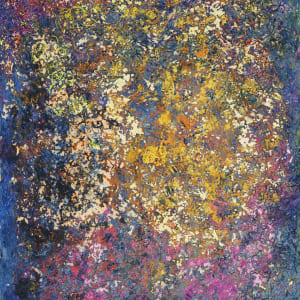
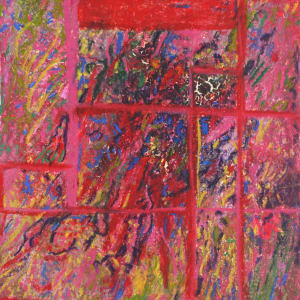
Maria Hughes
La técnica de monotipo es una forma de impresión artística que produce una sola imagen única e irrepetible. A diferencia de otras técnicas de grabado o estampado donde se pueden hacer múltiples copias, el monotipo genera una sola obra final, lo que lo hace especialmente valorado por su carácter exclusivo.
El artista pinta o dibuja directamente sobre una superficie lisa y no absorbente —como una plancha de acrílico, metal o vidrio— utilizando tintas o pinturas al óleo base agua. Mientras la tinta aún está húmeda, se coloca un papel encima (generalmente humedecido si se usa tinta a base de aceite) y se pasa por una prensa, o se presiona a mano con una cuchara o rodillo.
Características:
Cada monotipo es único: aunque a veces se puede hacer una segunda impresión con el residuo de tinta (llamada "fantasma" o "segunda tirada"), el resultado será más tenue y diferente.
Características:
Cada monotipo es único: aunque a veces se puede hacer una segunda impresión con el residuo de tinta (llamada "fantasma" o "segunda tirada"), el resultado será más tenue y diferente.
Permite una gran libertad gestual, combinando cualidades del dibujo, la pintura y el grabado.
Se pueden experimentar capas, texturas y transparencias con resultados espontáneos o muy controlados, según el estilo del artista.
Es una técnica muy usada por artistas que disfrutan la experimentación y la expresividad directa, ya que combina lo impredecible con lo pictórico, y cada impresión es el resultado de un solo momento creativo.