
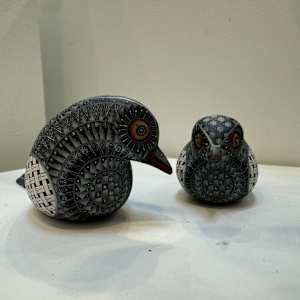
Alessandra Albin
All people have a rich cultural heritage that shapes their unique perspective. My background is spanning from Europe and North America.
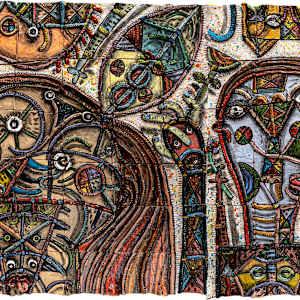
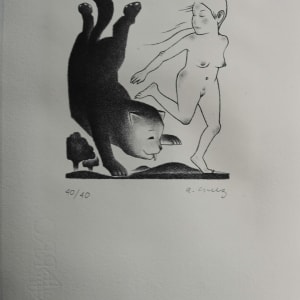
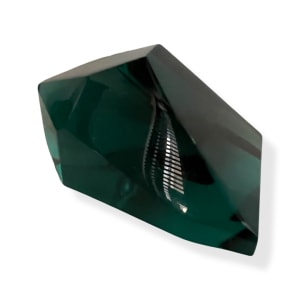
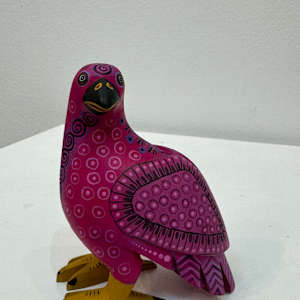
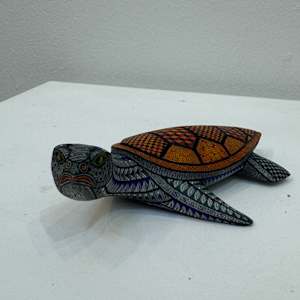
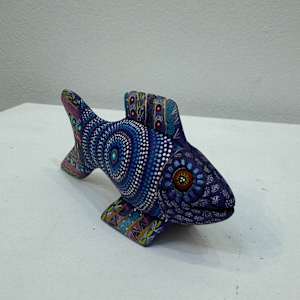
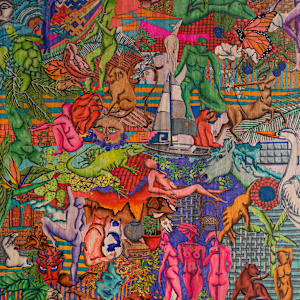
I was born in Mexico City to Italian parents. Actually, my family line has roots in the German, Austrian and Czech culture. Now you understand where I am coming from. Life for me is a sort of Fragments, a puzzle that I needed to put together as an artist. I feel in many ways like archaeologist in search of that final terracota shard that would complete a Roman vase. I describe myself through the characters I create. Each of my creations have a piece of myself inside. They are fragments of my life.
ALFONSO BONILLA
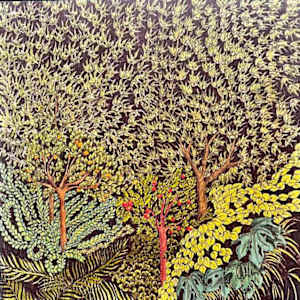
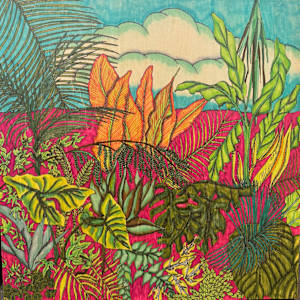
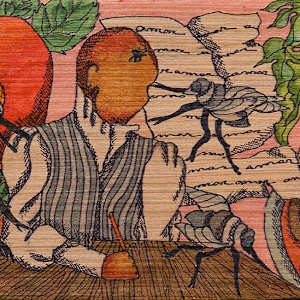
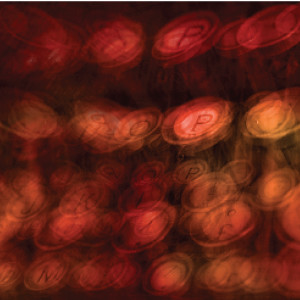
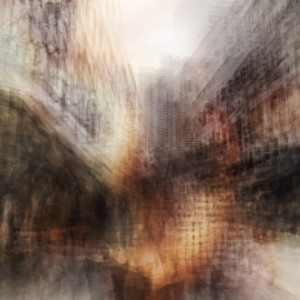
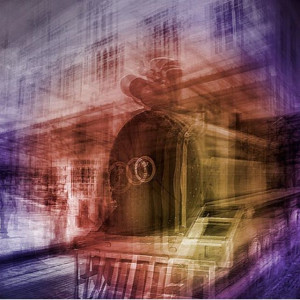
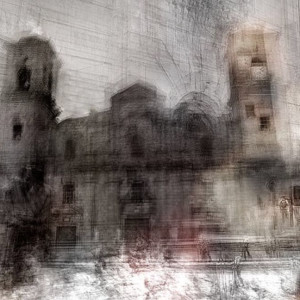
Alfonso Bonilla (Bogotá, Colombia, 1968) is a contemporary photographer and visual artist known for blending photography, graphic design, and digital technology into richly layered compositions. His work explores themes of memory, time, and perception through the superimposition of images, vibrant color palettes, and complex visual narratives that transform ordinary scenes into dreamlike experiences.
Educated in graphic design, animation, and multimedia at LaSalle College in Montreal, Bonilla's international experiences, including years living and teaching in Asia, have greatly influenced his artistic vision. His acclaimed series Spectral Narratives reimagines urban landscapes, architecture, and everyday environments through multiple layers of photography, creating images that exist between reality and imagination.
Bonilla's work has been exhibited internationally throughout North America, Europe, Asia, and the Middle East. His photographs invite viewers to look beyond a single moment, revealing the many dimensions, memories, and emotions contained within a place or scene.
Artist Statement Style Description:
"Alfonso Bonilla uses photography as a medium for reinvention rather than documentation. Through sophisticated digital layering and a masterful use of color, he creates visually immersive works that challenge traditional notions of space and time. His images become poetic constructions where reality, memory, and imagination converge."

Anne-Joëlle Galley
Anne-Joëlle (“AJ”) Galley – www.annejoelle.com
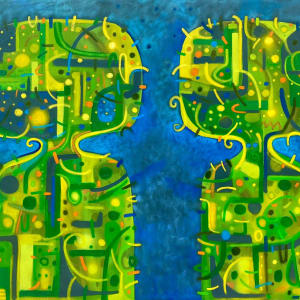
"There is always a yellow tree in the garden that can bring you joy and hope"
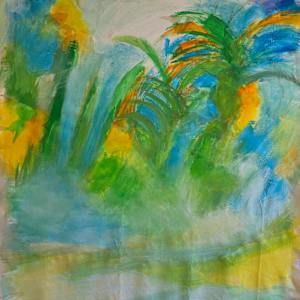
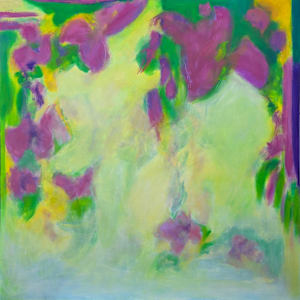
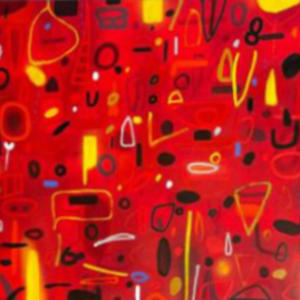
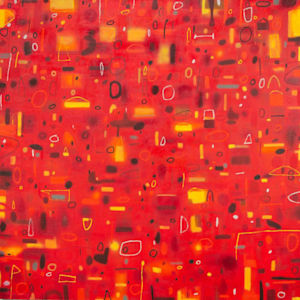
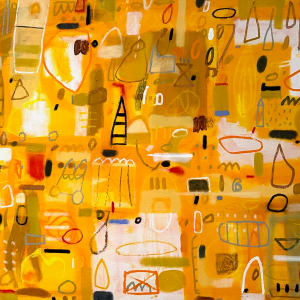
Abstract mixed-media artist, using elements of painting, collage and printmaking. Color, through its vibrancy, is her signature and the strength of her expression.
Throughout the years, colors have amalgamated her style, giving continuity to her work. Getting inspiration mainly from nature, Galley tries to abstract reality to infuse emotions through color and form, hoping to transport the viewer to a peaceful and/or happy state of mind, akin to meditation.
She has participated in more than 50 exhibitions worldwide and holds a 4-year fine art painting certificate from the Art Students League of New York https://theartstudentsleague.org, of which she is a Life Member.




DIDIER MAYES
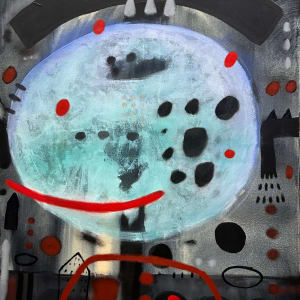
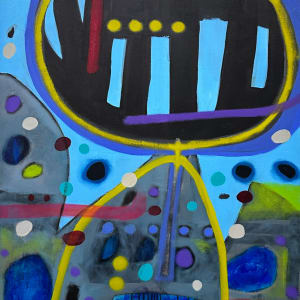
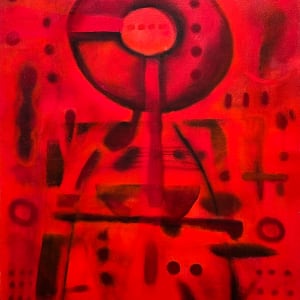
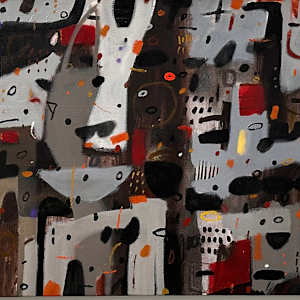
Born in Oaxaca, Mexico, in 1968, Mayés studied at the School of Fine Arts of Oaxaca and graduated in Industrial Design from the Metropolitan Autonomous University of Mexico City.
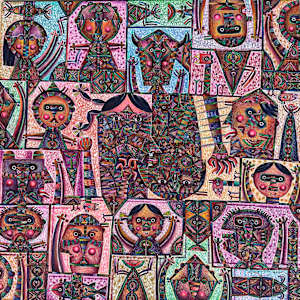
Didier Mayés is an artist recognized for his dynamic and imaginative art. Mayes maintains ties to his roots while revolutionizing the contemporary abstract painting scene.
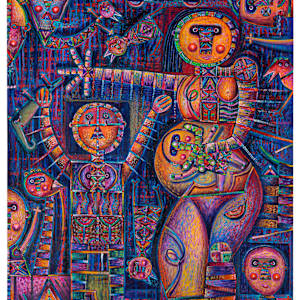
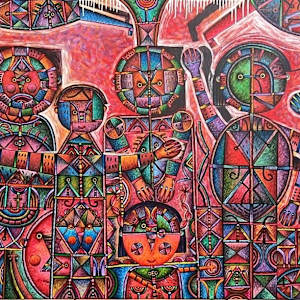
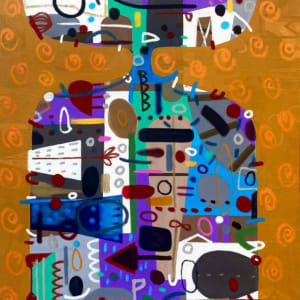
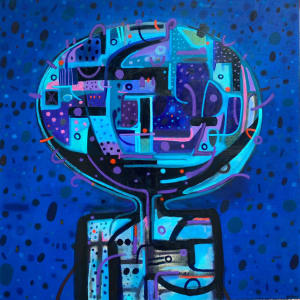
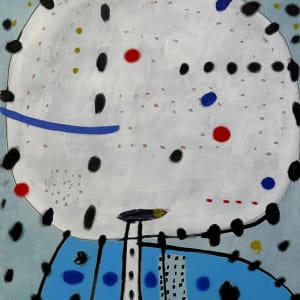
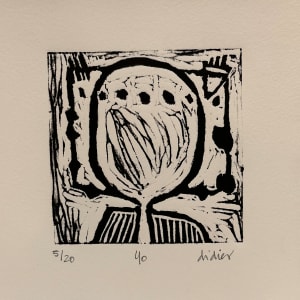
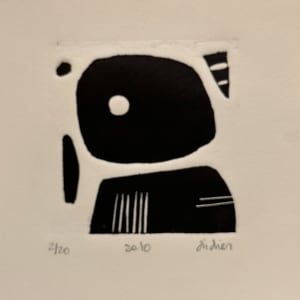
He is also known for the characters he calls "Big Heads."
These characters are children and, as such, have large heads; they are like a colorful explosion of childish thoughts, philosophies, and unique rhetoric.
It's as if it captures the atmosphere of each character and invites us into this vast, imaginative world.
Mayés' art is a surprising mix of playful vibes and deep thought, showcasing this connection between our minds and limitless creativity. He keeps it simple without diving into complicated descriptions or meaningless stories about his characters' thoughts.
To understand the communicative sequence of his work, he stares at it and lets it speak to you. Each character's head contains many messages. Decode the message, let it run through your brain, and find its meaning in the mix of colors and symbols, unlocking a vision full of diverse possibilities that will create your narrative.
Didier Mayés is a serious personality on the art scene. His works, with those vibrant colors and sensations of Oaxacan art, have been exhibited in worldwide galleries. Not only is he promoting the cultural heritage of Oaxaca, but He also provides contemporary support and a key role in contemporary Oaxacan abstraction.
.
His contributions to the abstract art scene have garnered international recognition, making him a prominent figure in local and international art circles and bringing a contemporary edge that resonates globally.



Ermilio Espinosa
Ermilo Espinosa is a Mexican visual artist specializing in painting, whose work explores both technical mastery and the poetic and philosophical depth of artistic creation. He holds a degree in Visual Arts with a specialization in Painting from the University of Guadalajara and has furthered his studies at prestigious cultural centers in Mexico. From a young age, he was influenced by his grandfather, Ermilo Torre Gamboa, a renowned Yucatecan artist, which led him to discover his passion for painting.
Throughout his career, Espinosa has honed his skills with the brush, striving for a deep and emotional connection with the viewer. His work blends a respect for the traditional values of plastic arts with a constant spiritual and philosophical search, reflected in complex symbols or in the powerful simplicity of facial and gestural expressions. His work is a dialogue between technique and intuition, between the visible and the unseen.
Ermilo has held solo exhibitions at important international venues, including Focus (Galerie LeRoyer, Montreal, Canada, 2021), Visiones en Silencio (Casa Oswaldo Guayasamín, Havana, Cuba, 2007), Murmullos en Babel (Centro Cultural de Mérida Olimpo, Yucatán, 2008), Ausencias y Presencias (Museo José Luis Cuevas, Mexico City, 2012), MUTE (Museo Casa Diego Rivera, Guanajuato, 2013), Face to Face (Hôtel de Manville, Town Hall Salon, Les Baux, France, 2015), ERMILO ESPINOSA TORRE (Au Médicis, Galerie Marguerite Milin, Paris, 2016), and Lo Exterior de lo Interior (LS Galería, Mexico City, 2019).
He has also been part of numerous notable group exhibitions, such as Modportrait 25 Aniversario Artelibre (Museo Europeo de Arte Moderno MEAM, 2024), Spectrum Miami (Spectrum Art Fair, Miami, USA, 2023), Art With Purpose (FunDimension, Miami, USA, 2022), and Algo más que realismo XI (Galería Artelibre, Zaragoza, Spain, 2017). His participation in national biennials and exhibitions has also been significant, such as the V Bienal Nacional de Artes Visuales Yucatán (2011) and the XXXIV Encuentro Nacional de Arte Joven (2014).
Throughout his career, Espinosa has earned several accolades, including the Jóvenes Creadores grants from PECDA (2010 and 2014) and FONCA (2012), as well as the Acquisition Award at the V Bienal Nacional de Artes Visuales Yucatán and the State Youth Award, both in 2011. His work has been featured in magazines such as Líderes Mexicanos and Cultura y Arte en México, and is part of public and private collections, including a portrait of President Andrés Manuel López Obrador for the Presidential Gallery at the National Palace.




FERNANDO ANDRIACCI
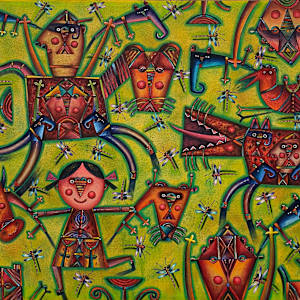
Fernando Andriacci Originally from Cuicatlán, Oaxaca, Fernando Andriacci has dedicated his professional career to art and its various expressions, balancing practical and theoretical approaches. However, his role as a founder of the Taller de Artes Plásticas Municipales y Pintura Monumental Rodolfo Nieto gave him the necessary momentum to define his artistic path and establish his career as a painter. He is distinguished for his painting, ceramics, and mural artwork. His work features a predominance of animal and plant figures, richly adorned with more minor elements and decorative designs. These zoomorphic representations form a unique bestiary that brings a fantastic world to life. He resides in the region of Oaxaca, where he is immersed in an essential movement of artistic renewal alongside renowned figures such as Francisco Toledo, Rufino Tamayo, and Rodolfo Nieto. It is no coincidence that the natural and cultural environment has influenced the work of each of these artists, leaving an indelible mark on Mexican art. More than specific artistic influences, Andriacci acknowledges the impact of sharing a unique context and space with these masters. He is distinguished for his work in painting, ceramics, and mural art. His art is filled with animal and plant figures, adorned with intricate details and decorative elements. His zoomorphic representations form a personal bestiary that evokes a world of fantasy. Likewise, his use of mixed techniques enriches textures while maintaining harmony. Over time, his work has evolved from an intense visual density to a more balanced use of space and a refined approach to color. His compositions create a playful world that seems to emerge from the same imaginative richness as his fellow Oaxacan artists.