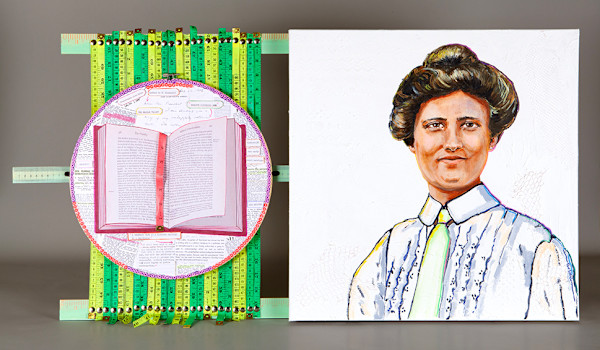

Fleur Spolidor
French/american artist working on the subject of Women's rights and climate change
Message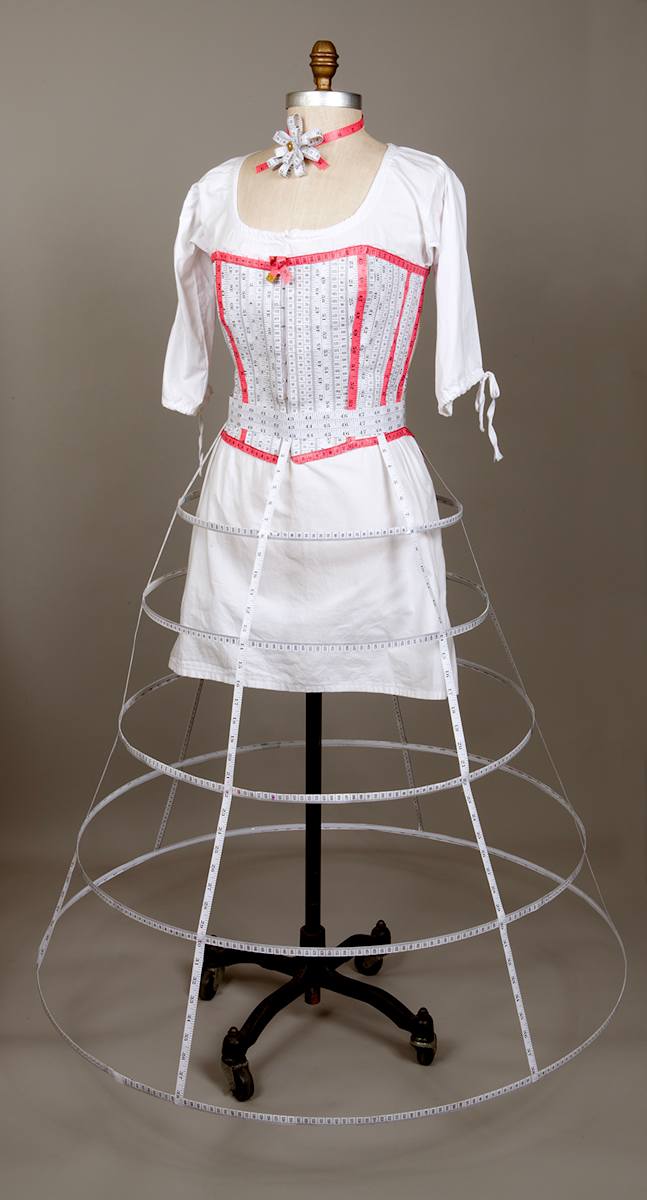
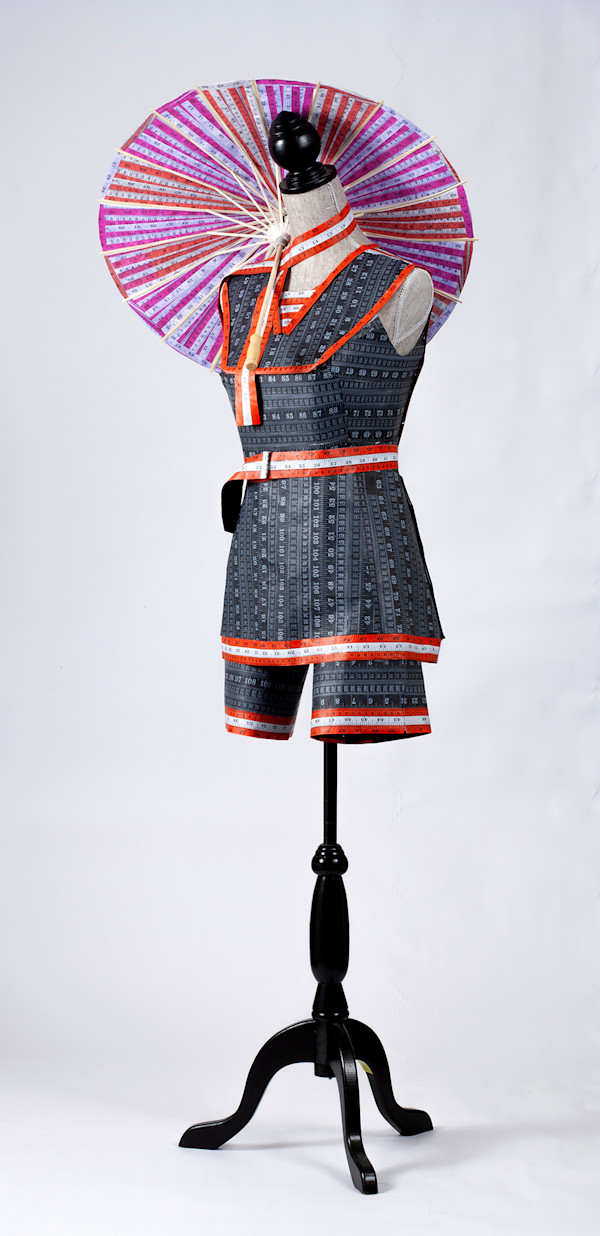
Corsets, Health and Women's Rights
The corset’s history is deeply tied to women’s rights and societal expectations, dating back to 1600 BCE in Minoan civilization. Popularized in the 16th century, it shaped the ideal feminine silhouette but often restricted movement and harmed health.
In the 18th century, corsets (or stays) were a daily necessity, designed to support posture and create a conical shape rather than an extreme hourglass figure. By the late 19th century, corsets became symbols of oppression, sparking calls for more practical clothing. This led to alternatives like the union suit, a one-piece undergarment that offered women a radical escape.
By the 20th century, fashion moved away from rigid corsets, favoring looser styles. Yet today, corsets have reemerged as fashion statements and symbols of empowerment. While they endure, health experts recommend exercise over long-term use to achieve desired body shapes, reflecting changing beauty ideals and evolving societal norms.
- Subject Matter: Women's rights
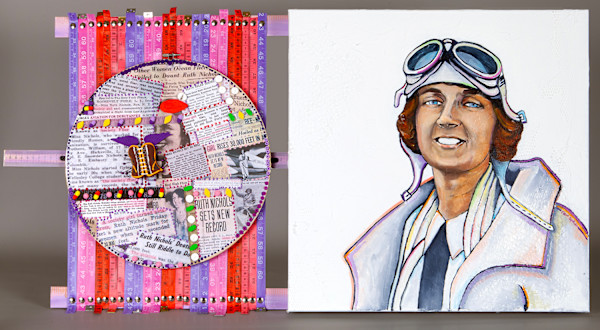
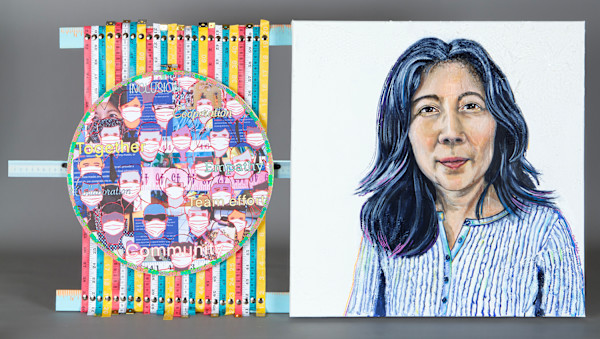
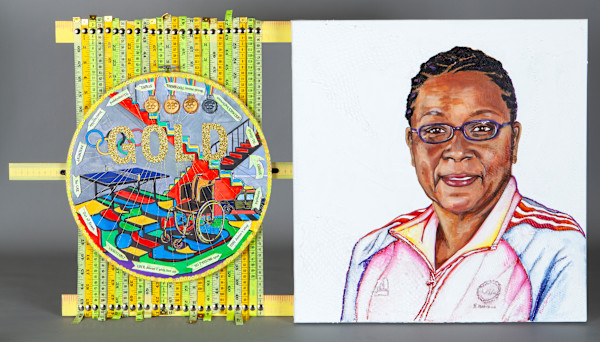
- Collections: The Unforgiving Yardstick: a look at women's roles and struggles in Westchester County
Other Work From Fleur Spolidor