
River Arts Inc.
Prairie du Sac, WI
on-profit arts organization forging Sauk Prairie’s artistic identity & cultivating community that supports artists and patrons of the arts
Message7th Biennial Wings & Water Exhibition
September 20th - November 30th 2025
Reception on Thursday, Sept 25th 5:30 - 7:30p
Juried by Melanie Tallmadge Sainz
Reception on Thursday, Sept 25th 5:30 - 7:30p
Juried by Melanie Tallmadge Sainz


Alyssa Martz
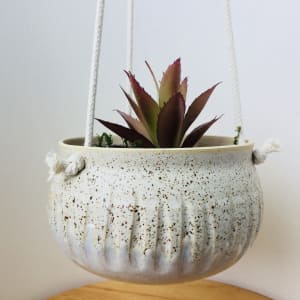
I use red earthenware clay to create unique functional pottery using hand-building and wheel-throwing techniques. I love exploring quirky forms, texture patterns, and colorful surface decoration. My main influences are rustic modern design, folk art, and vintage illustration. My goal for each piece is to celebrate human touch and the idiosyncrasies that are evident in a hand-made object.
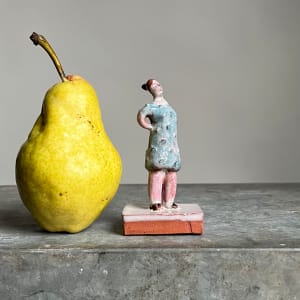


Amber Gavin (Pottery)
Working with clay is a joy. It is uplifting, meditative, and a great excuse to play in the mud without being judged. I love to experiment with new shapes, new designs, and really just anything that strikes me as fun at the time. Every piece I make is meant to be held, used, and loved on a daily basis.
Remember: everything tastes better when it’s served in something handmade!
With the exception of the coasters, all of my pieces are food safe, microwave safe, and oven safe. Handwashing is always recommended, but if you’re in a hurry they are all dishwasher safe too.
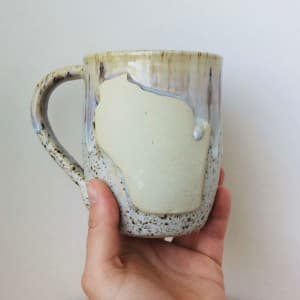
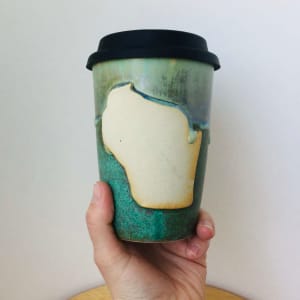
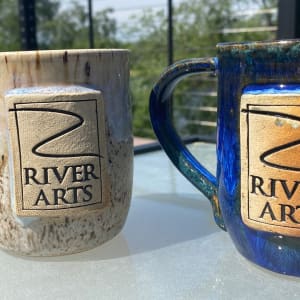
Artist Feature: Rhonda Nass, Sharon Wright, & Jessica Gutierrez
May 8, 2026 - August 1, 2026
Feature Reception: Thursday May 21, 2026 from 5:30p-7:30p
Feature Reception: Thursday May 21, 2026 from 5:30p-7:30p

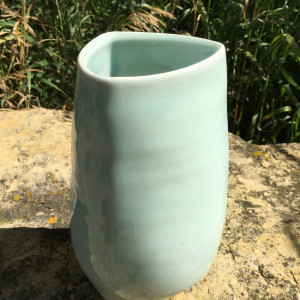
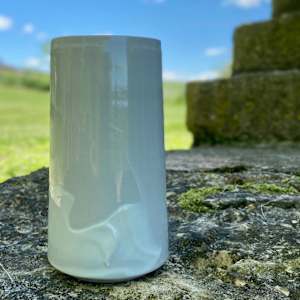
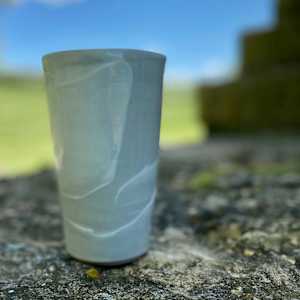
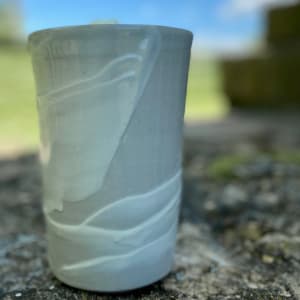
Carol Naughton (Ceramics)
Carol Naughton is a potter who creates wheel thrown and hand built, one of a kind, functional pottery. The forms reflect her love of fine cooking, gardening, and nature. The strong visual aesthetic of her ceramics is reflective of her environmental graphic design and exhibit design background.
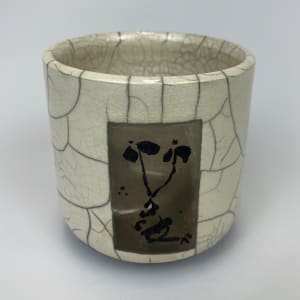
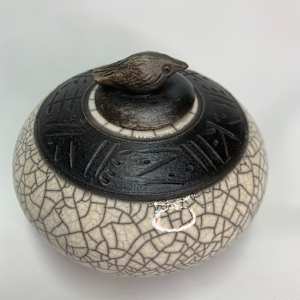
The ceramic pieces are made from porcelain and stoneware clays. The clay is fired using a gas kiln capable of achieving a wide range of glaze surfaces and colors. Many of Carol’s glazes reference historic Japanese glazes. Many of the pieces have drawings and sculptural additions or alterations to the base form.
Carol’s studio is located in a remodeled 1876 stone granary on a beautiful farm in the driftless region of southwestern Wisconsin. The historic limestone construction and colors of the granary are reflected in the clays and glaze choices of Carol’s work.
Connie Morrison (Collage and painting)
My work is combination of painting and collage. I piece together separate parts – various papers that I paint, cut into shapes and adhere to gessoed birch panel with gel medium and small nails. I add more cut paper pieces and painting to that surface and seal each piece with satin varnish for protection. I intend for each piece to have a graphic power from a distance and an engaging, delicate quality up close. My influences include folk art traditions from textiles and quilts to Mexican Retablos.
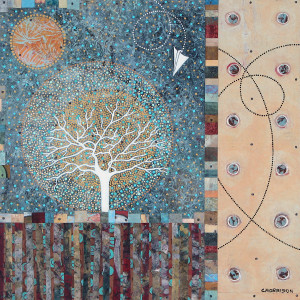
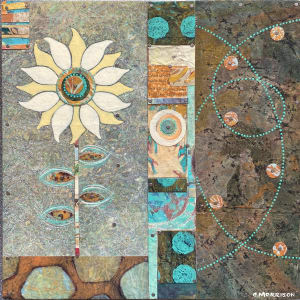
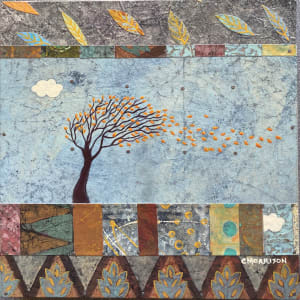
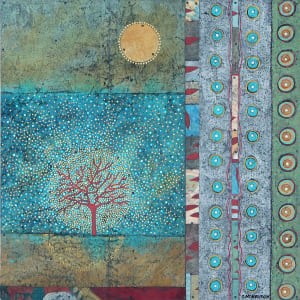


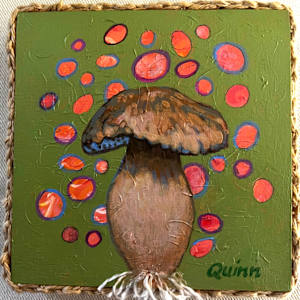
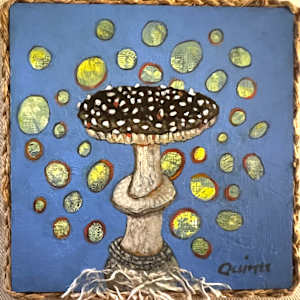
Cynthia Quinn (Fiber and Painting)
My predilection to draw and paint was first exhibited as a young child. My mother would set me in front of an easel and I would paint for hours at a time. As I grew older, I loved to spend most of my time filling entire sketchbooks every few months and reading. The natural world was and is my muse. I am a devoted observer of nature and learning about flora and fauna.
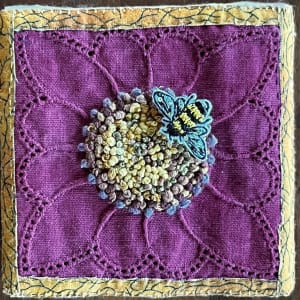
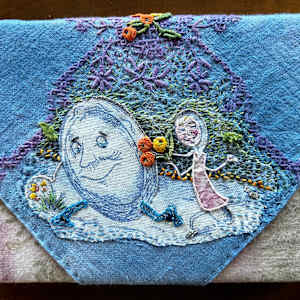
Drawing, painting and teaching has been my focus the last two decades. But three years ago during a move and lack of studio for six months, I began to explore stitching and fiber arts as a medium to express myself. I found I could work just about any place and engaged with a wonderful group of encouraging, artistic women who share my new interest. It is rejuvenating to create art through this different lens. Using texture, embroidery threads, beads, and hand-dyed fabrics has added a whole new dimension to my vocabulary of expression. So goes my evolving process. I look forward to the twists and turns.
David Timberlake (Metal Sculpture)
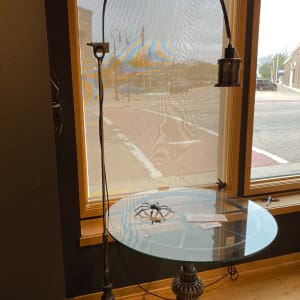
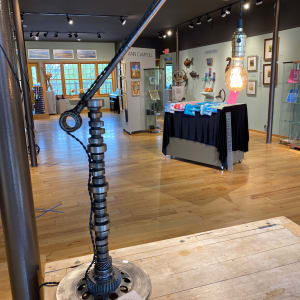
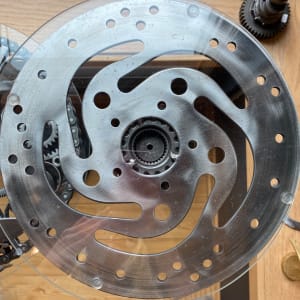
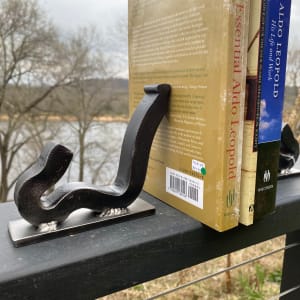
David Timberlake is a Georgia boy but has spent his adult life in Wi. Where he has worked as a timberwright, furniture maker and carpenter. His inspirations to crafting metal are Tom Every, Ellis and Tom Nelson and his son Kaleb. He now upcycles scrap metal components harvested from machinery into tables and other aft forms.


Edward Wohl (Woodworking)
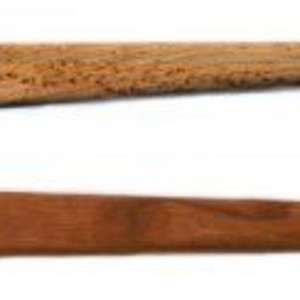
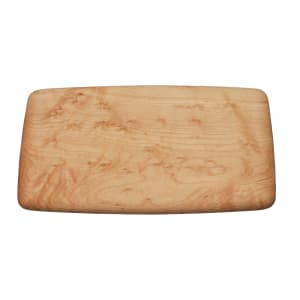
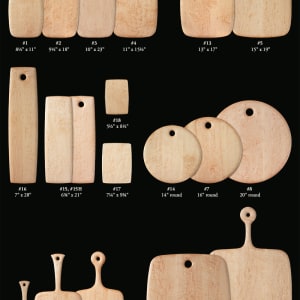
Edward’s solid bird’s-eye maple cutting boards are unlike any you’ve seen. Each board is crafted by joining sections from a single piece of specially selected, figured bird’s-eye maple, so the wood tone and figuring are consistent throughout. Each is precision-shaped and beveled for graceful shape and balance. Individually hand-sanded and finished to a sensual silkiness, each board is an art object designed to add aesthetic and utilitarian pleasure to your daily life.
Some owners display their cutting boards as art and hesitate to use them. However, they are designed to provide many years of service and satisfaction; minimal care will preserve their appearance.




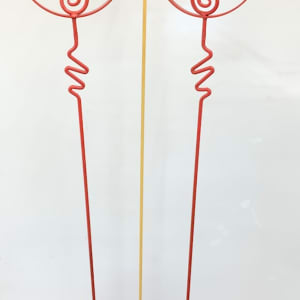
Georgia Weithe (Jewelry Artist)
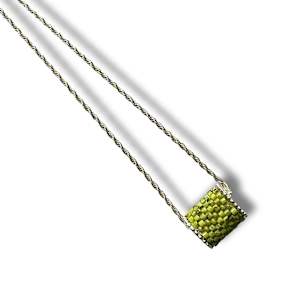
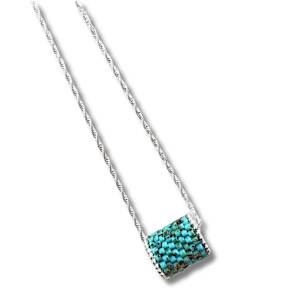
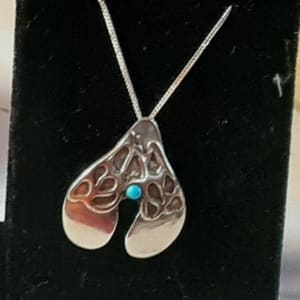
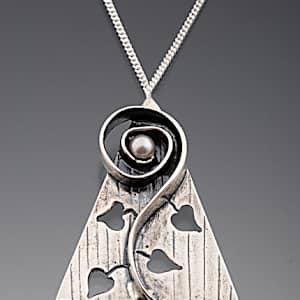
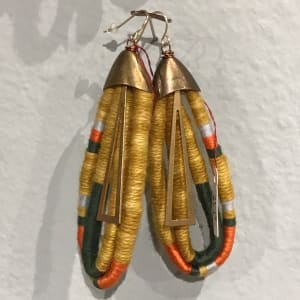
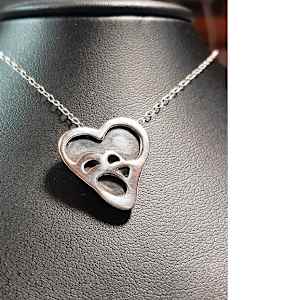
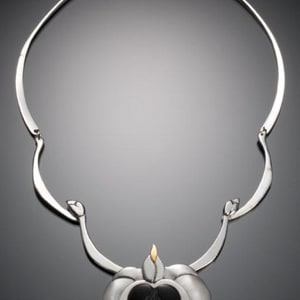
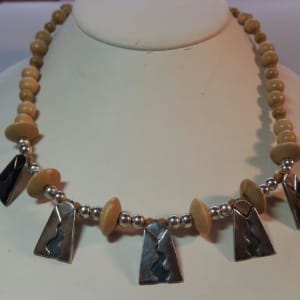
My jewelry is a language. It speaks of beauty, hope, serenity, tenderness, and other qualities of the heart. I believe if we are drawn to a work of art, it’s because it reflects something we are looking for in our own lives, and that gazing at it can help us feel balanced. I combine the qualities of inner light with the play of light bouncing off metal, and transform gold, silver, pewter, gems, stones, shells, pearls, beads and insect wings into soft, delicate shapes which evoke some of nature’s gentlest images: waves, wings, seeds, moonbeams. The materials are hammered, cast, fabricated and formed, and often the spirit of the work is reflected in its name. The jewelry I make doesn’t reflect current trends, but rather deep currents of meaning I am searching for in my life.
My creations are a reflection of the inspiration I find within, and the beauty that surrounds me. The designs come from a deep place in me, and I hope they speak to a deep place in others.

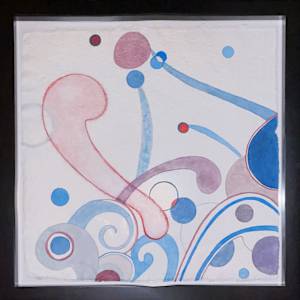
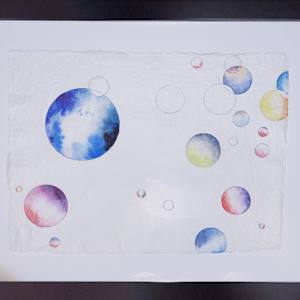
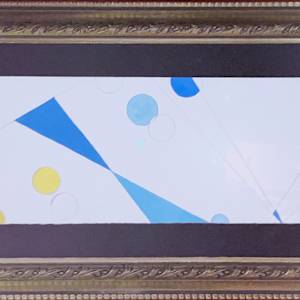
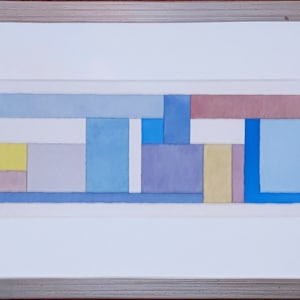
Hannah O'Hare Bennett
From the moment we are born until we die, we are almost constantly in contact with cloth.
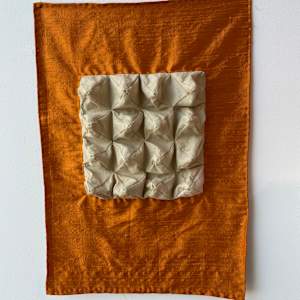
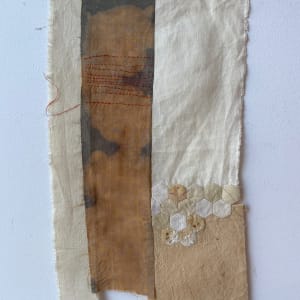
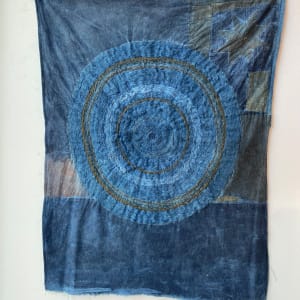
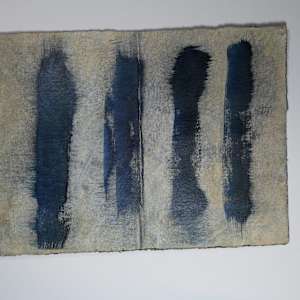
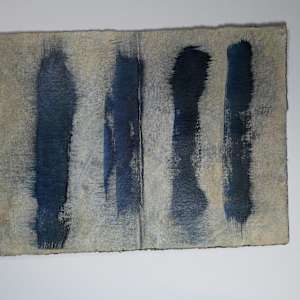
Without thinking about it, we are familiar with its varied qualities–the simplicity of white cotton, the luxury of silk velvet, the flexibility of knitting, the structure of weaving. We can see history in a piece of fabric, how it wrinkles, stains, takes repairs, unravels. Paper is a kind of nonwoven cloth, and is in fact often made of recycled cotton or linen. It can be dyed, stitched, wrinkled, torn, and repaired much in the same way as fabric. In my studio practice, I use paper and textiles to explore ideas about land use, domestication, and the fragility of our bodies and the world we live in.
Before I became an artist, I was an agricultural worker for most of my life. Being in constant proximity to the land made me conscious of how our collective choices indelibly impact the world we live in. This is part of being human–archaeologists have found remnants of fires that our earliest ancestors made hundreds of thousands of years ago. Ruins from past civilizations are evident around the world, sometimes in places where people still live lives that are adding small contributions to future ruins. Humankind has layered material reminders of our impacts upon the land, year after year, millenia after millenia, which is something that I consider through the process of making my art.
I walk through the world preoccupied, like many people, with a feeling of impending doom from climate change and other human caused environmental disasters. That concern surely does make its way into my art. But I don’t make my work to teach a lesson or create a specific reaction, and I have no illusions that one artist choosing to only use natural materials, as I do, makes an enormous difference to environmental preservation. I just find that those timeless materials offer me more than enough breadth to work with. Ultimately, my work is a conversation between the materials, my inspiration, myself, and the viewer. Many times, people want to reach out and touch my many textured work, and this is part of the point. We are a part of the physical, natural world–we should make contact with it.