BODY CUTS/ EMBBODIED GRACE
PHOTOGRAPHER OF HUMAN GRACE
THE MULTIPLICITY OF BEING
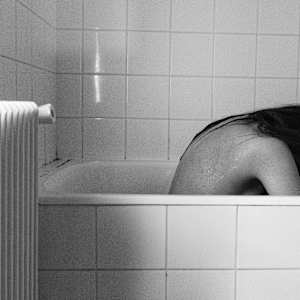
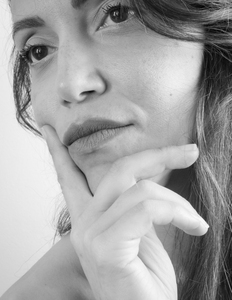
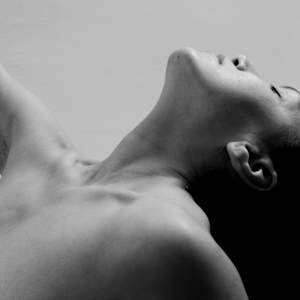
I perform in front of my camera as an act of embodiment — not to stage an image of myself, but to reveal what presence produces within lived experience.
Presence is often named as something elusive, almost ineffable. Rather than attempting to represent it, my work departs from a sustained practice of its investigation through the body itself. Over years of intensive training, I have explored movement, dance, improvisation, and somatic practices as ways of refining attention, perception, and physical intelligence.
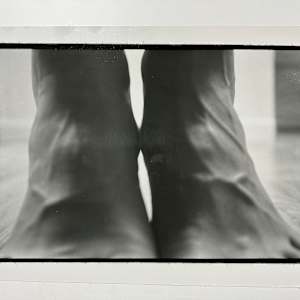
This long-term engagement with the body has led me to understand alignment not as a fixed form, but as a dynamic relation to gravity, space, and perception — a continuous reorganization of inner states and of our relationship to the world and to others. As a Certified Rolfer®, I work with structural and perceptual coherence, where the body is approached as an intelligent system in constant adaptation.
My practice unfolds across choreography, performance, writing, and photography. Writing and movement are inseparable: they arise from the same embodied source, where thought is not separate from sensation, but generated through it.
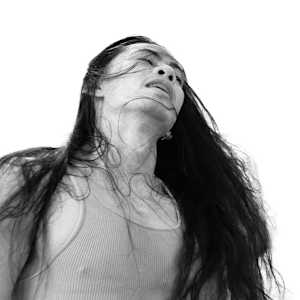
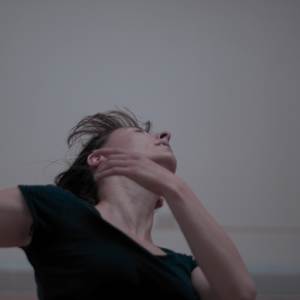
In front of the camera, I direct, choreograph, and film dancers, performers, actors, and individuals encountered in everyday life. I search for the precise threshold where presence becomes fully active — when the body no longer performs an image of itself, but enters a state of openness, intensity, and abandonment.
What interests me is not representation, but revelation: those fragile moments in which the body escapes self-image and becomes pure relation — to time, to gravity, to others.
Each encounter, including those with strangers in the street, becomes a potential field of attention and shared embodiment, where grace appears not as aesthetic ideal, but as a lived, transient condition of being.

CHOREOGRAPHIES OF THE INVISIBLE
My choreographic practice emerged from a desire to understand movement from within. While studying visual arts, I began collaborating with performance artists, guiding them through improvisational processes that explored authenticity, perception, and embodied presence. These early experiences were nourished by dance training, workshops at the Centre National de la Danse, Micadanses, and later by my studies at Trinity Laban in London.
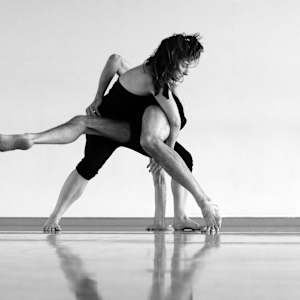
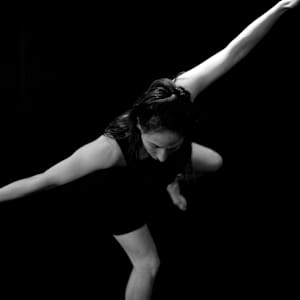
There, I encountered a rich ecosystem of somatic practices—yoga, Pilates, Feldenkrais, Body-Mind Centering, Contact Improvisation, and Rolfing—which profoundly transformed my understanding of movement. Choreography became not the organization of steps, but the composition of states of being.
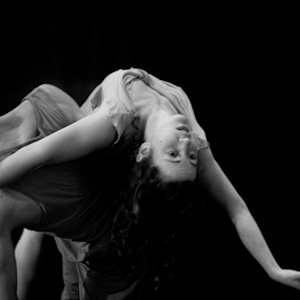
My work developed through long-term collaborations with dancers such as Guiomar Campos Acosta, Simon Wehrli, and Anastasia Kostner. Together, we explored movement as a language of perception, where technique serves not virtuosity but the emergence of presence. I became increasingly interested in what happens before expression: the subtle shifts of attention, weight, breath, and sensation that shape the body's relationship to gravity, space, and others.
For me, choreography is an ethics as much as an art form. It is rooted in listening, trust, and respect for the intelligence of the body. I have never been interested in spectacle for its own sake, nor in the glorification of technical mastery. What moves me is the fragile moment when a body ceases to perform an image of itself and becomes fully present.
Years of teaching movement, therapeutic bodywork, and accompanying individuals through profound transformations reinforced this conviction. The body carries memory, resilience, vulnerability, and imagination. To work with movement is therefore to engage with the whole human being.
Today, after decades of practice, creation, teaching, and research, I approach choreography as a form of poetic knowledge. Through movement, I seek to create spaces where perception deepens, where sensation becomes thought, and where the body rediscovers its capacity for freedom, relation, and grace.
LANDSCAPES OF DESIRE
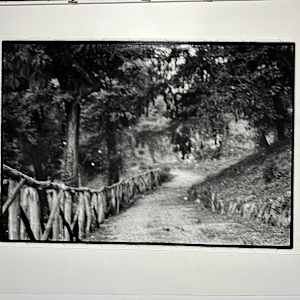
Through photography, I seek moments where the landscape appears as a state of being rather than a place — where the visible becomes an experience of presence, silence, and openness.
THE FLESH OF THE WORLD
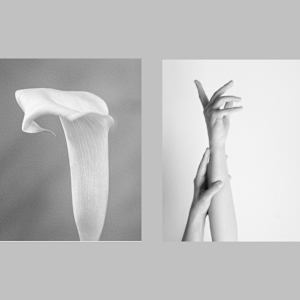
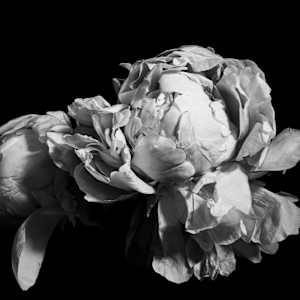
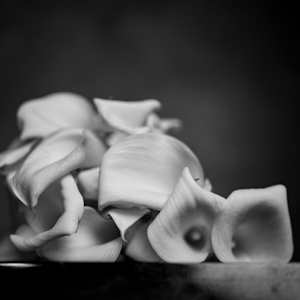
My relationship to landscape and botany emerges from the same research that guides my work with the body. I am drawn to the intelligence of living forms: the spiraling of vines, the unfolding of leaves, the movement of grasses in the wind, and the constant dialogue between growth and gravity.
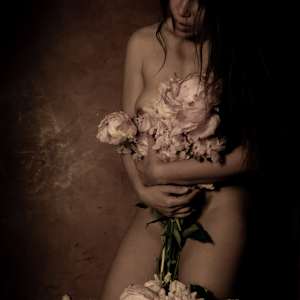
In my work, the body and the vegetal world are not separate entities but part of the same living continuum. Plants, landscapes, and human figures share common dynamics of transformation, adaptation, and emergence.
I explore the point where the body becomes landscape and the landscape becomes embodied. Through photography, performance, and movement, I seek to reveal an ecology of perception in which desire is understood as a force of connection — linking bodies, nature, and the living world.
WATER/ THE FLUID BODY
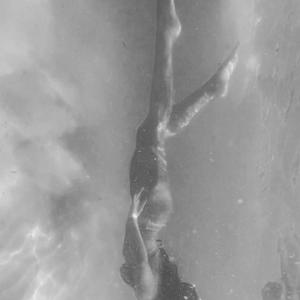
Water reveals the fluid nature of being. Between gravity and buoyancy, the body enters a state of continuous transformation, where movement becomes perception and presence.