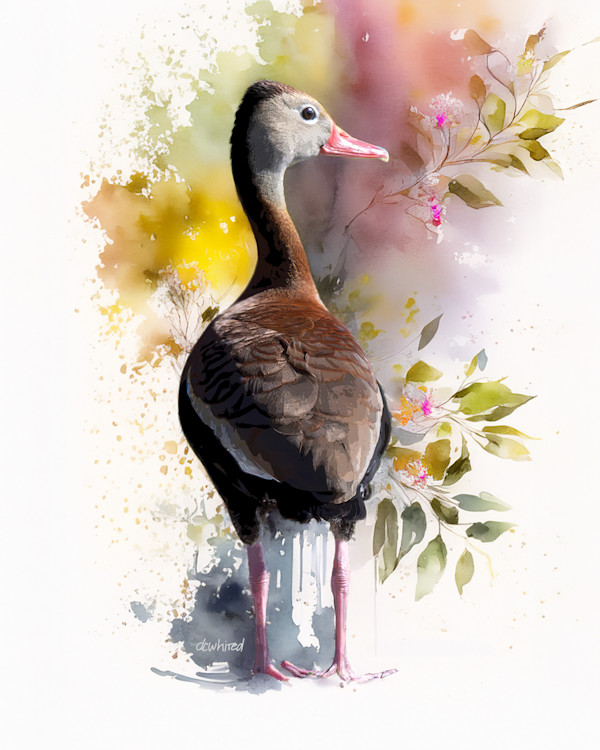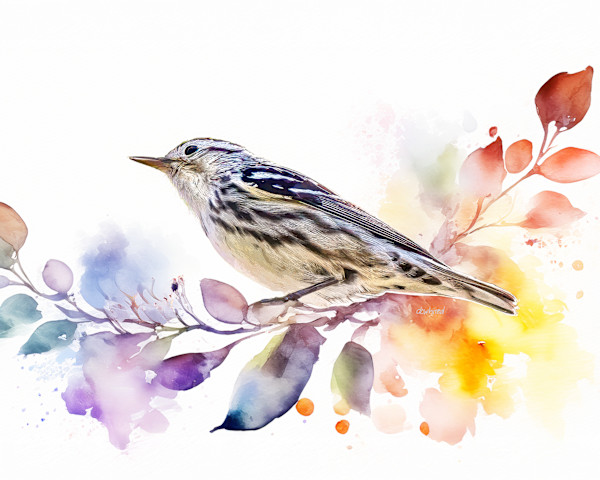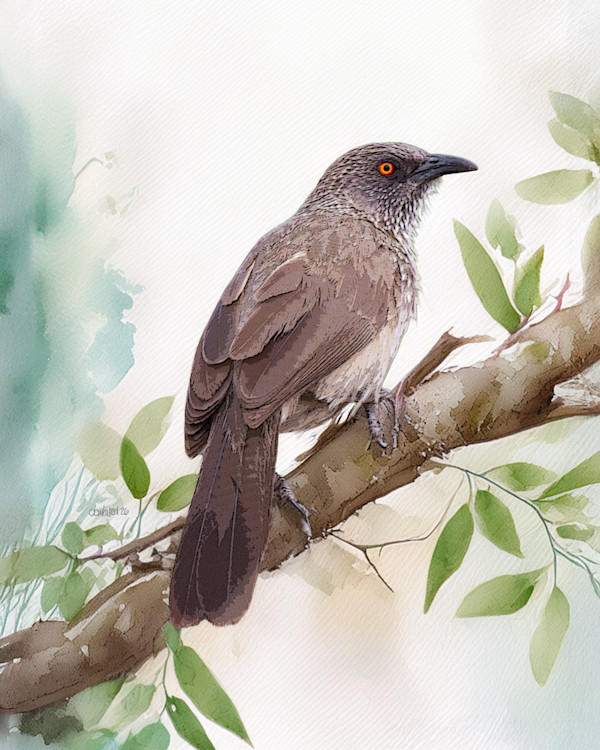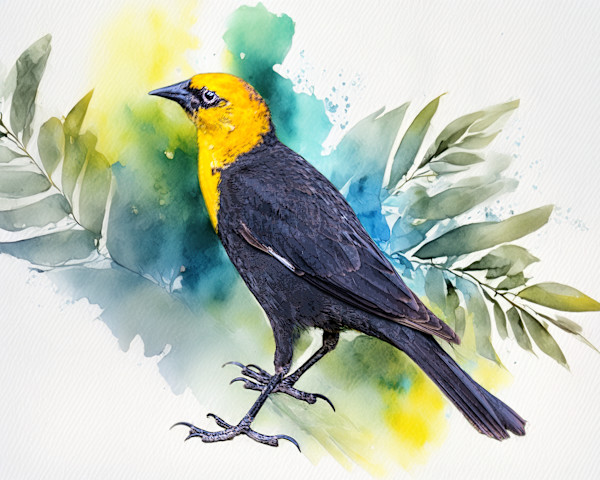

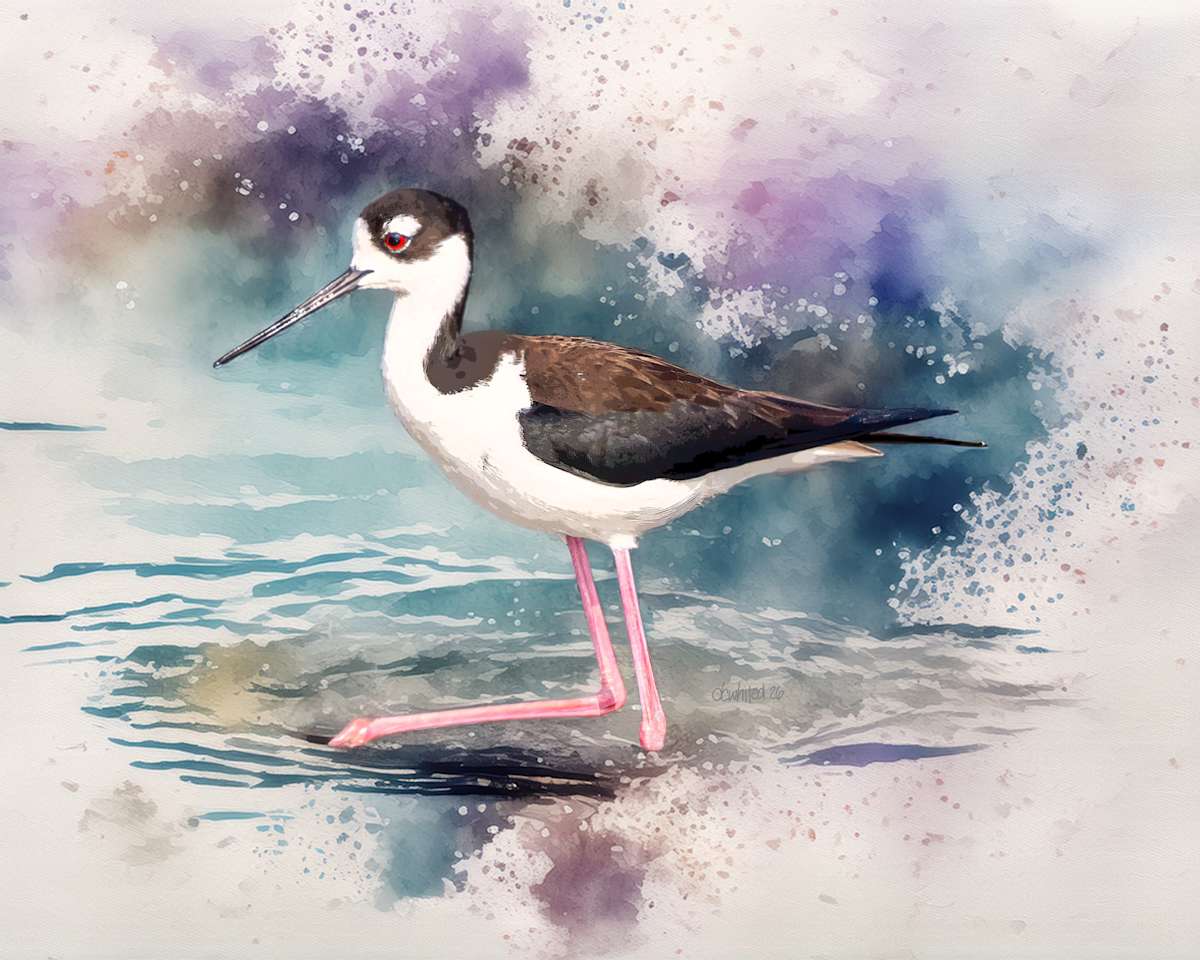
The Black-necked Stilt (*Himantopus mexicanus*) is a strikingly elegant and boldly patterned shorebird found across a broad range encompassing the western and southern United States, the Caribbean, Central America, and much of South America, where it inhabits shallow wetlands, mudflats, salt marshes, flooded agricultural fields, and the margins of lakes and ponds. It is one of the most visually arresting of all North American shorebirds, with a dramatically contrasting plumage of glossy black upperparts and brilliant white underparts, a white spot above the eye, and — most memorably — extraordinarily long, vivid pink-red legs that are proportionally among the longest of any bird relative to its body size, second only to the flamingo, and which give it an almost impossibly slender and statuesque silhouette as it wades through shallow water. The sexes are similar in pattern, though males tend to have a more intensely glossy black back while females show a somewhat browner tone. In flight, the Black-necked Stilt is equally striking, with its long red legs trailing far behind its tail, its black-and-white plumage flashing conspicuously, and its pointed wings beating in a steady, purposeful rhythm. It feeds by wading through shallow water and picking insects, small crustaceans, aquatic invertebrates, and small fish from the water's surface or just below it with its fine, straight black bill. The species is famously bold and aggressive in defense of its nest and chicks, dive-bombing and loudly scolding intruders — whether fellow birds, mammals, or curious humans — with an incessant, high-pitched, yapping call that can be heard from a considerable distance. Visually spectacular, vocally assertive, and instantly recognizable, the Black-necked Stilt is a charismatic and much-admired presence in the wetlands it calls home.
- Subject Matter: Wildlife, birds
- Collections: Birds, Digital photography , Mixed Media , South Africa, Wildlife