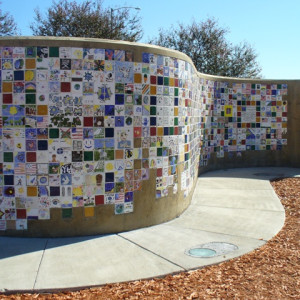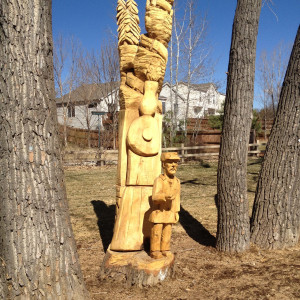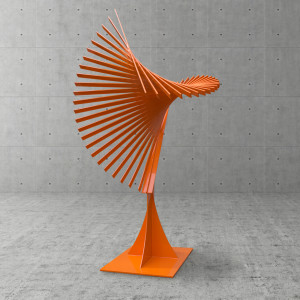

Sculptures - Parks and Public Spaces
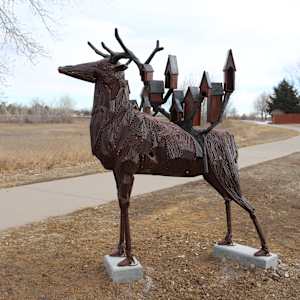
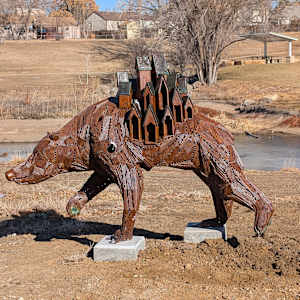
Sculptures may be installed along trails, in gardens or parks, and in City buildings that are routinely open to the public.
Public art locations are selected through collaboration with parks, open space, recreation, and other City teams. Whenever possible, public art is included as part of major construction and renovation projects.
Community members are invited to help select future art by volunteering on a Public Art Review Panel. Learn more about the public art process or sign up to volunteer on the City of Thornton website: https://www.thorntonco.gov/community-culture/arts-culture/thornton-public-art
Public art locations are selected through collaboration with parks, open space, recreation, and other City teams. Whenever possible, public art is included as part of major construction and renovation projects.
Community members are invited to help select future art by volunteering on a Public Art Review Panel. Learn more about the public art process or sign up to volunteer on the City of Thornton website: https://www.thorntonco.gov/community-culture/arts-culture/thornton-public-art

RTD "Art-n-Transit"
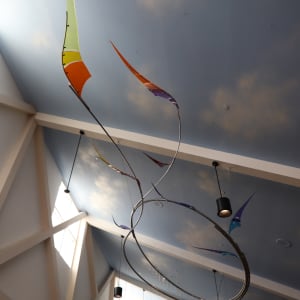
The "Art-n-Transit" program is funded by the Regional Transportation District (RTD). Public art is used to enhance the design, aesthetic quality, and user friendliness of transit projects while building connections between neighborhoods and transit.
"Art-n-Transit" artworks are selected and installed in collaboration with local municipalities to celebrate the diverse cultural, ethnic, and historical richness of the many communities served by RTD.
RTD provides for the transportation needs of over 3.08 million people located within eight Colorado counties. Their services include bus, rail, shuttles, ADA paratransit services, demand responsive services like FlexRide, special event services, vanpools, and more. RTD's "Art-n-Transit" program has helped fund public art since 1994.
"Art-n-Transit" artworks are selected and installed in collaboration with local municipalities to celebrate the diverse cultural, ethnic, and historical richness of the many communities served by RTD.
RTD provides for the transportation needs of over 3.08 million people located within eight Colorado counties. Their services include bus, rail, shuttles, ADA paratransit services, demand responsive services like FlexRide, special event services, vanpools, and more. RTD's "Art-n-Transit" program has helped fund public art since 1994.

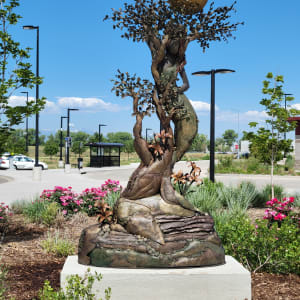
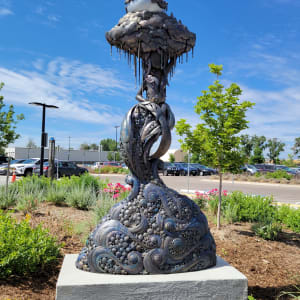
Memorials and Monuments
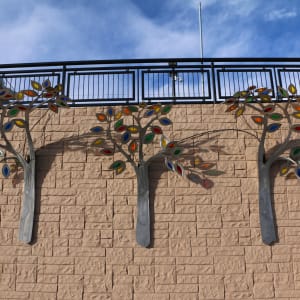
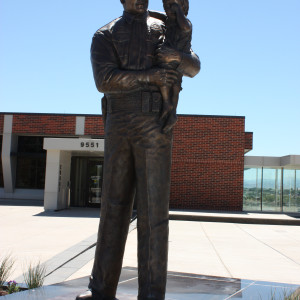
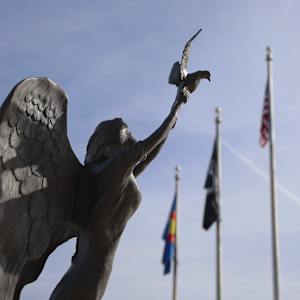
Thornton is proud to honor the service and sacrifice of our city's Veterans and first responders. The city's monuments and memorials often include artistic or sculptural elements, and are included here to support visitors who are wishing to learn more about these pieces.
Thornton's monuments and memorials include:
Thornton's monuments and memorials include:
- 5 sculptures
- 7 memorial benches
- 3 engraved monuments (one obelisk, one pillar, one stele),
- 1 park named in honor of a Veteran
- 6 honorary Veteran street name signs
- 1 street renamed in honor of a Veteran
- Ongoing Veterans Memorial Paver Program
Various community groups have contributed to these memorials and monuments, including the Northglenn American Legion Post #22, the Thornton VFW Post #7945, the Thornton Veterans Memorial Foundation, the Never Forgotten Foundation, the Citizen's Police Academy Alumni Association, the Thornton Arts, Sciences, and Humanities Council (TASHCO), the Scientific and Cultural Facilities District (SCFD), and countless others who provided financial support or in-kind donations of free or discounted labor, supplies, and expertise.
Across the United States, memorials and moments are considered "government speech" rather than public art, and their selection, purchase, placement, and maintenance are separate from public art.
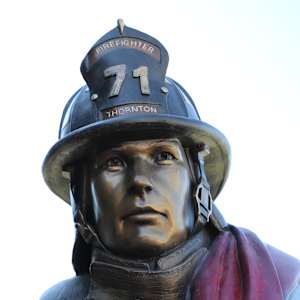
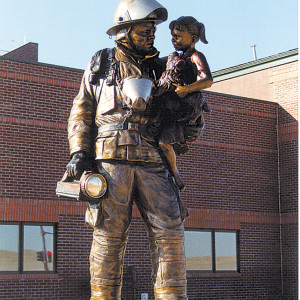
Murals
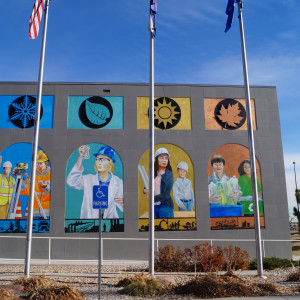
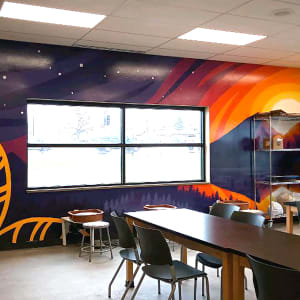
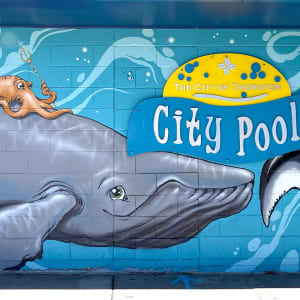
Thornton's mural collection includes indoor and outdoor paintings on City-owned properties.
Private property owners, places of worship, schools, businesses, and shopping malls may choose to add art or murals to their walls. While these murals might be visible to the public, they are not part of the City's public art collection.
Commercial and residential developers and businesses are encouraged to contact the city Public Art Coordinator to learn how to include murals and art on their property. Messages may be sent through Artwork Archive, or to PublicArt (at) ThorntonCO.gov
Private property owners, places of worship, schools, businesses, and shopping malls may choose to add art or murals to their walls. While these murals might be visible to the public, they are not part of the City's public art collection.
Commercial and residential developers and businesses are encouraged to contact the city Public Art Coordinator to learn how to include murals and art on their property. Messages may be sent through Artwork Archive, or to PublicArt (at) ThorntonCO.gov
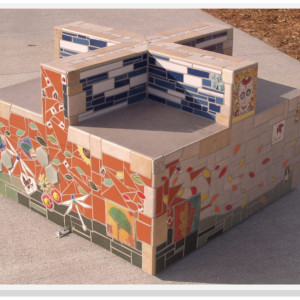
Art Benches
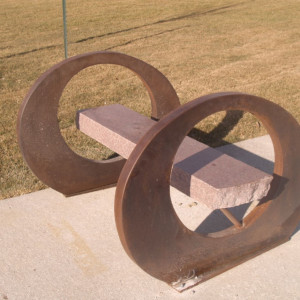
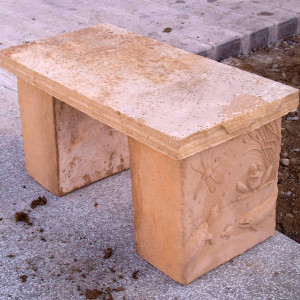
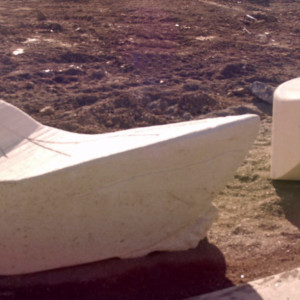
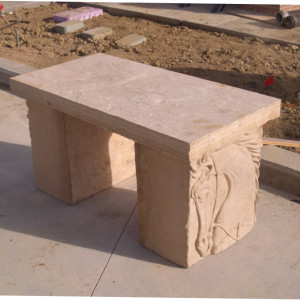
These benches are unique pieces of art created for Thornton's Carpenter Park. The art benches provide an artistic place to sit, rest, and find inspiration while exploring Carpenter Park.
This project was funded in part by a generous grant from the Scientific and Cultural Facilities District (SCFD).
This project was funded in part by a generous grant from the Scientific and Cultural Facilities District (SCFD).
Beyond Public Art - Unique Infrastructure
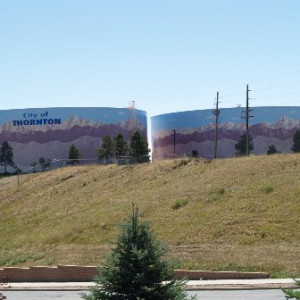
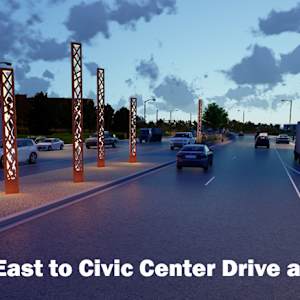
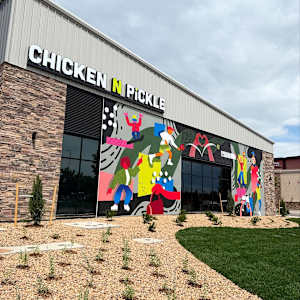
While these pieces are not "public art", they are included to help the community explore and learn about some of Thornton's artistic architecture and infrastructure.
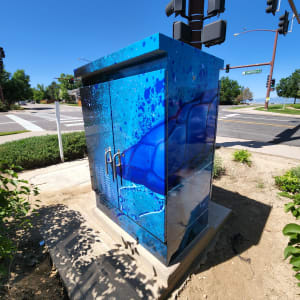
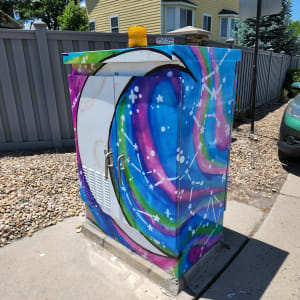
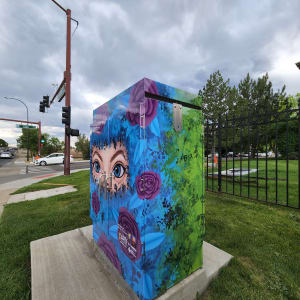
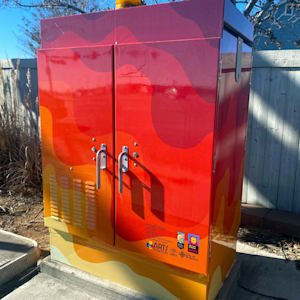
"Outside the Box" Traffic Box Art
"Outside the Box" was a grant-funded program to create temporary art on traffic boxes throughout the City of Thornton. Only boxes that are owned by the City of Thornton can be painted or decorated. The City cannot add art to property that it does not own.
Ineligible boxes include many utility and telecom boxes seen at intersections, along roads, near HOA facilities, and in residents' backyards. These boxes have been installed by various companies over the years, including Xcel Energy, United Power, Comcast (Xfinity), and Lumen (CenturyLink, Quantum Fiber).
Traffic boxes (also known as signal boxes or cabinets) were selected based on:
Ineligible boxes include many utility and telecom boxes seen at intersections, along roads, near HOA facilities, and in residents' backyards. These boxes have been installed by various companies over the years, including Xcel Energy, United Power, Comcast (Xfinity), and Lumen (CenturyLink, Quantum Fiber).
Traffic boxes (also known as signal boxes or cabinets) were selected based on:
- Ownership. Box must be owned by the City.
- Age of traffic box. Vinyl wraps require starting with a clean, smooth surface with no rust, corrosion, or residue from flyers/stickers/previous art.
- The number of cars that drive by an intersection (24-hour traffic counts).
- Proximity to pedestrian infrastructure and activity. Traffic boxes near parks, trails, recreation centers, schools, and local businesses were prioritized. Locations that would be visible only from vehicles were not included (i.e. areas lacking sidewalks or trails, roads approaching E-470 on- and off-ramps)
- Future development plans. If development planned to move, remove, or replace a box, the box was not included in the project.
"Outside the Box" was funded in part by grants from the Scientific and Cultural Facilities District (SCFD), with additional funds provided by the Thornton Arts, Sciences, and Humanities Council (TASHCO), and the City of Thornton.
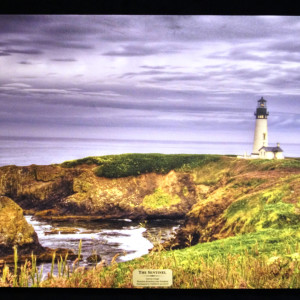
Framed Art - People's Choice Collection
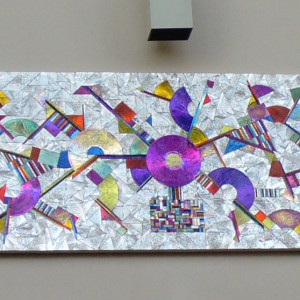
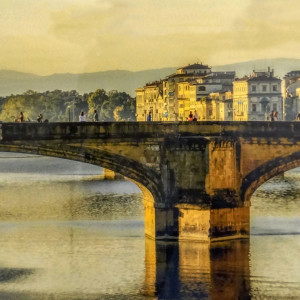
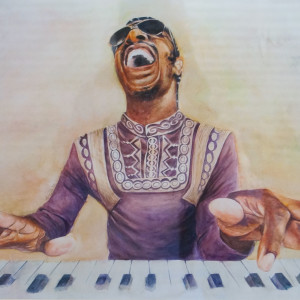
The framed art or "flat art" collection includes smaller pieces of art that are designed to be hung on a wall or displayed in a case. Unlike public art, these pieces can easily be moved and displayed in different locations.
These pieces are displayed in City of Thornton buildings that are open to the public. City departments can request to display specific pieces, or Arts and Culture staff may provide pieces as part of a rotating exhibit.
The art is selected by public vote and by the Thornton Arts, Sciences, and Humanities Council (TASHCO). The People's Choice Collection is generously funded by grants from the Scientific and Cultural Facilities District (SCFD).
These pieces are displayed in City of Thornton buildings that are open to the public. City departments can request to display specific pieces, or Arts and Culture staff may provide pieces as part of a rotating exhibit.
The art is selected by public vote and by the Thornton Arts, Sciences, and Humanities Council (TASHCO). The People's Choice Collection is generously funded by grants from the Scientific and Cultural Facilities District (SCFD).
Retired or Deaccessioned Art
These pieces have been deaccessioned and are no longer part of the public art collection.
Public art may be deaccessioned for many reasons:
Public art may be deaccessioned for many reasons:
- Temporary designs and materials. Some public art is intended to only last for days, weeks, or month. It may be created for a specific event, or is meant to enhance a space that is being prepared for construction.
- Environmental damages. The elements can damage art and shorten its lifespan. In Colorado, plentiful sunshine and harsh UV rays will fade paints, degrade protective coatings, and break down plastic or rubber components. Hail and windstorms damage houses and public art. Rain and snow can corrode sculpture foundations and pieces of art. Freeze-thaw cycles can make stone, concrete, and ceramics crack and flake.
- Design, material, construction, or installation flaws. Artists are required to use durable materials and follow best practices, and the City of Thornton inspects and signs off on each piece of art when it is completed. Despite these efforts, sometimes a hidden weld point will fail, or manufacturer claims about durability will be unrealistic.
- Site, surface, or soil issues. Sometimes the location for a piece of art causes its premature failure. Considerable efforts are made to reduce the probability of experiencing location issues (i.e. geotechnical soil analysis to evaluate how much the earth might settle or expand prior to installing a load bearing foundation, surfaces cleaned or smoothed prior to mural application, etc.).
- Vandalism. Public art may be removed in an effort to reduce graffiti, vandalism, or other unwanted behaviors in a specific location. Vandalism may damage a piece to the point where it is not feasible to repair or restore the art.