Shelby Head
Providence, RI
My interdisciplinary practice investigates the social and linguistic constructs that shape identity, history, and collective memory in the United States.
MessageAm I that Name?
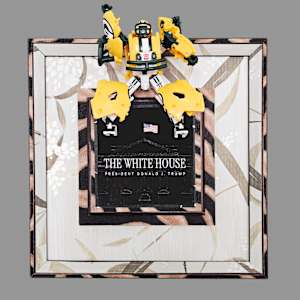
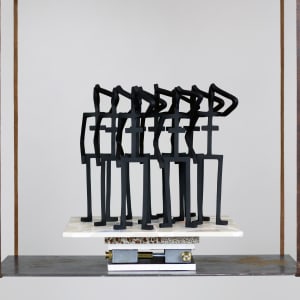
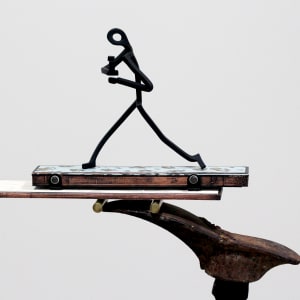
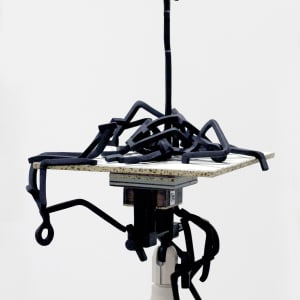
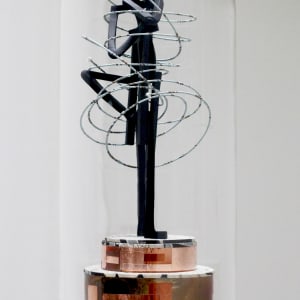
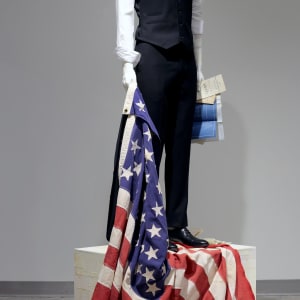
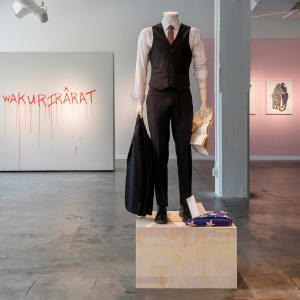
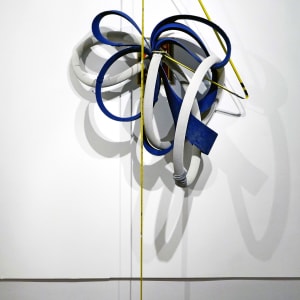
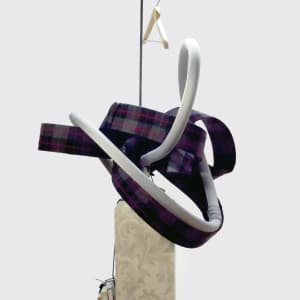
Am I that Name? explores the complex and fluid nature of gender and identity in an often discriminatory, binary world. This work is a researched-based visual diary into Queer theory and self/selves. The collection challenges the normative hierarchical power structure of gender and sexuality through pictogram-inspired figurative constructions and the queer use of everyday materials and objects such as industrial equipment, hardware, stage sets, and decorative wallpaper.
An Infrastructure Of Silence
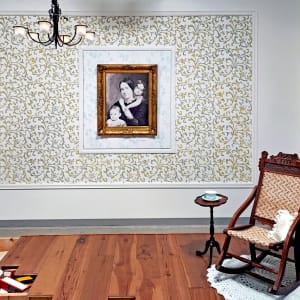
An Infrastructure of Silence was conceived in 2017 when I began to ask different questions about my cultural heritage of white supremacy and privilege. My research developed into a collection of artwork that uncovers family descendants who were complicit in Indigenous genocide, enslavement, and systems of white supremacy that are woven into the political and social fabric of our country.


Beyond the Whitewash
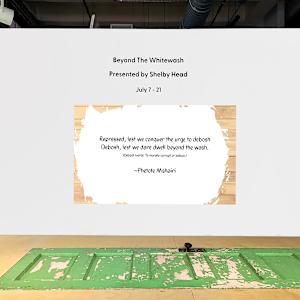
A traveling exhibition brings together a multi-racial group of accomplished artists and art workers to create work that explores the legacy and implications of white supremacy, privilege, and silence in North America. In the collection of mixed media works, each artist brings a unique perspective to the exhibition, providing insight into their experiences. A platform where diverse voices can be heard and represented together is a powerful reminder that we are all connected. Our collective stories show, not tell—and move the viewer to make powerful connections with their own life stories.
In Measured Line
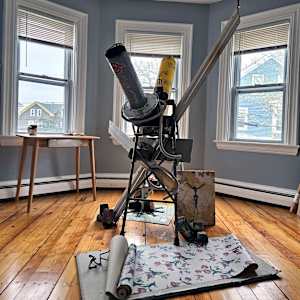
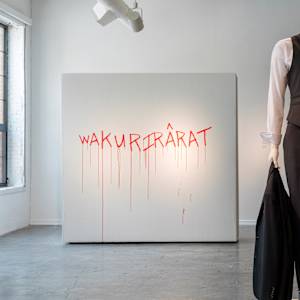
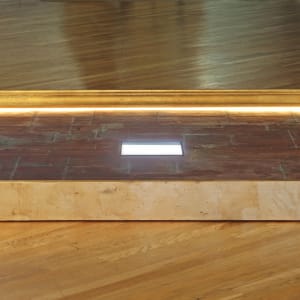
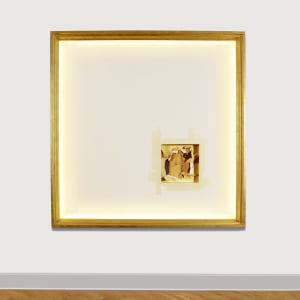
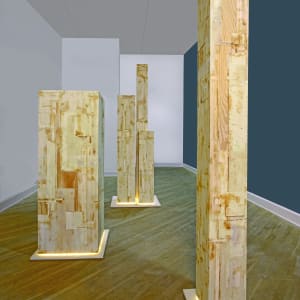
In Measured Line is a series of works influenced by the practicalities of minimalism as integrated with elements of light and architecture and balanced by the chosen medium: paper. The artist has reproduced the essence of architecture by reducing line and space to its simplest form. Using versatile, flexible, and ordinary paper as material throughout the series intentionally necessitates the works' medium (noun) to become an action (verb): to paper over, patch up, or conceal.
The surface of Head's work is covered with a variety of off-white paper, creating a quiet contrast between shapes. The fragility and vulnerability of paper allows for chance to contribute to the overall surface composition; when the surface is damaged in the art-making process, an accidental mark is then covered up with a strip of paper, a wrinkle is cut out and resurfaced with a swatch, and a patch is added to counterbalance the cover-up. These external forces of chance and circumstance allow fresh discovery within each new composition.

Interplay
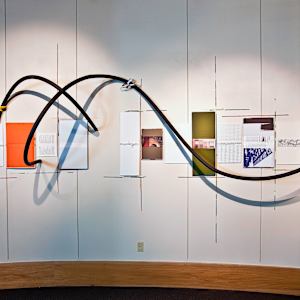
The installation used bebop style jazz as inspiration and reproduced the essence of bebop visually through concepts such as a small ensemble of musicians, the minimal arrangement of melody at the beginning and end of a piece, and a succession of improvisations. Interplay accomplished the transformation from bebop to form by limiting the number of materials used throughout the installation, applying specific concepts in music and jazz theory to principals and elements in art, and expressing those concepts using a traditional jazz AABA song form as a template for the overall composition of the installation.
It's a Girl!
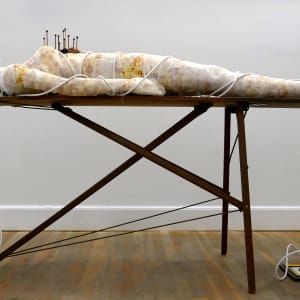
Beyond Indifference is a collection of mixed media works assembled from decorative and domestic objects commonly associated with the “feminine”. Materials and mediums, through personal association, evoke memory and emotion. The series is not a memorial but rather moves with the subject of misogyny and the questions of gender. The work is both a product of the changing worlds around it and an element of interaction with these worlds. The objects of the work are the objects of the worlds with which it is concerned. By incorporating materials of lived experience – cookware, appliances, and décor – the work challenges a purist aesthetic hierarchy that privileges one set of materials over another based on gender association. This is an exhibition of history, politics, and lived life.
La Sierra
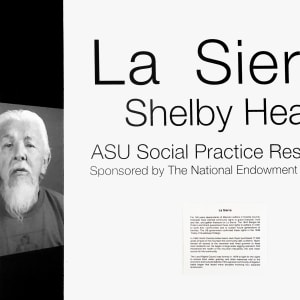
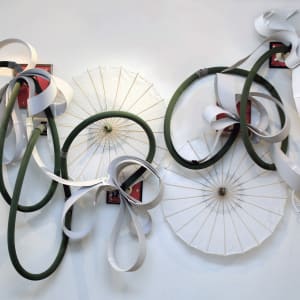
For 150 years, decedents of Spanish settlers in Costilla County have claimed communal rights to graze livestock, hunt and fish, and gather firewood on La Sierra. These uses were necessary as subsistence to maintain their agrarian lifestyle and were guaranteed by the Sangre de Cristo Land Grant in 1844. The US government confirmed these rights in the 1848 Treaty of Guadalupe Hidalgo.
In 1960, North Carolina timber baron Jack Taylor made a significant purchase, acquiring 77,500 acres of land on the mountain the community calls La Sierra. Taylor's actions were not benign-he fenced off access to the mountain, hired gunmen to keep local residents out, and initiated a large-scale logging operation. This operation directly threatened the health of the mountain tributaries, the community's sole water source. The Land Rights Council was formed in 1978 to fight for the right to access food, water, and other resources critical to the livelihood of families in Costilla County. Four separate landowners began a litigation battle that lasted many decades.