
All is Artifact: Living in a Forged World
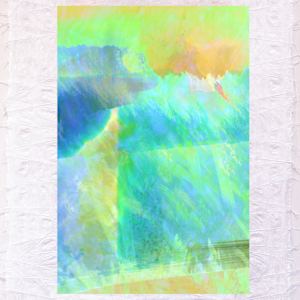
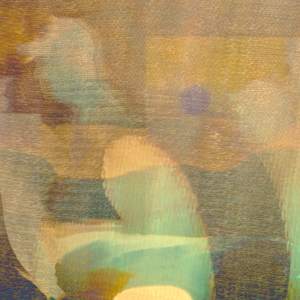
The images here examine the madeness of our perception and of our physical and conceptual worlds themselves. They question why we recognize neither this pervasive madeness nor its impacts on our understanding. The images you are seeing seek to prompt immediate consideration and longer term self-reflection as makers of the new. They foreground the interplay of the multiple meanings of forging, from making to misleading to leading forward, as an ever-present context for understanding the nature and the limitations of that understanding.

Why Ask Me?
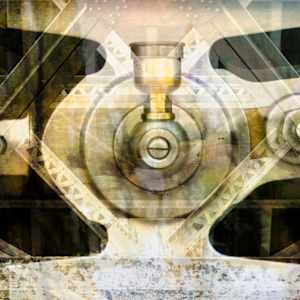
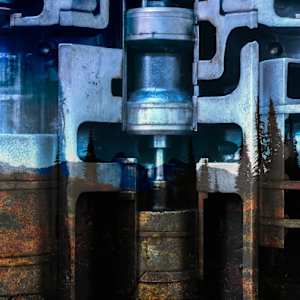
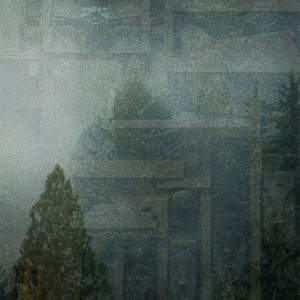
This scalable ten panel installation of multilayer photographic dry sublimation works on aluminum. Although I had never used prints on metal before it seemed the best substrate for the project’s theme, which prompts us to reconsider our reliance on communications with our technology tools to solve social problems. The central panel in the installation is the self-titled Why Ask Me? and it includes images from the nine other components. Its larger size, 54” x 36” reflects the need to include textual detail from those other nine panels well as its role in tying the installation together. Each of the other panels is 16 x 12. With 4" spacing , the most common arramgement of would be 54 x 84
The panels all blend multiple layers of my own digital photography. (In the case of We Can Fix This, Can't We? there are also layers of photographs of some of my traditional printmaking works.)
The panels all blend multiple layers of my own digital photography. (In the case of We Can Fix This, Can't We? there are also layers of photographs of some of my traditional printmaking works.)
![Why Ask Me? {complete presentation] by Neil Berkowitz, Image 1.](https://assets.artworkarchive.com/image/upload/t_square_crop_small/v1/user_128257/00_-_Why_Ask_Me_sftv1s.jpg)


Overgrowths
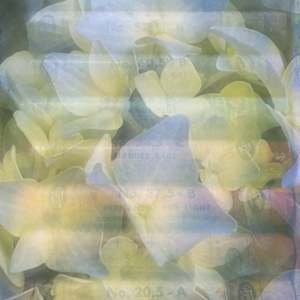
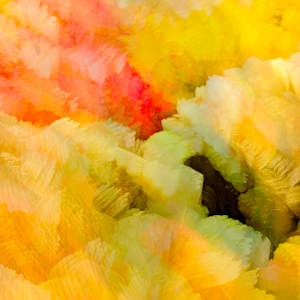
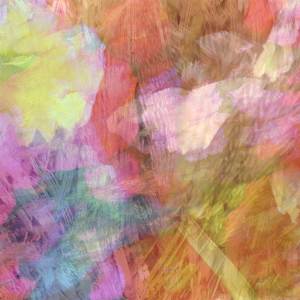
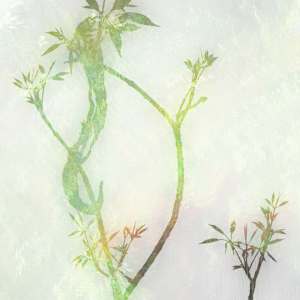
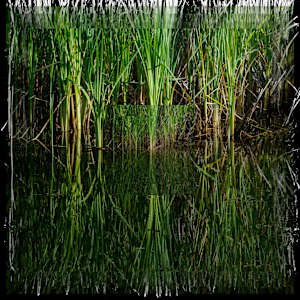
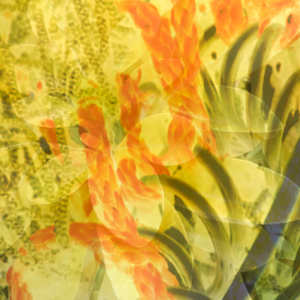
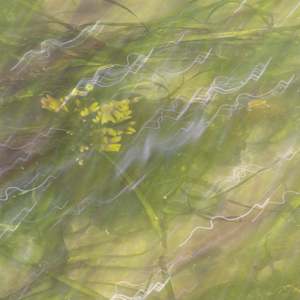
Botanical illustration has its place. But it is disconnected from how we experience living plants, as dynamic things that exist in time and in community rather than in isolation. Like all we encounter we gain understanding by connecting the new to the known--and both from their spatial and temporal context. My Overgrowths series seeks to provide these through their layering and their frequent use of slow shutter techniques, which often incorporate in-shot changes of zoom level and intentional movement.

A Rare and Common Vigor: An Ode on the Aging of the Aged, Part I
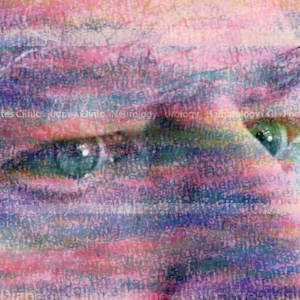
A Rare and Common Vigor is my ode on aging told through multilayered self portraits. For me the layering suggests the accretion and erosion of experience.

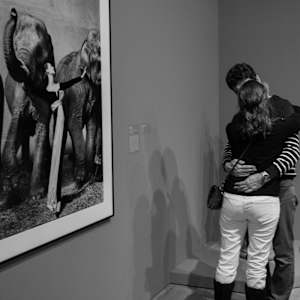
In the Museum
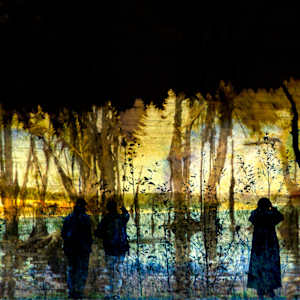
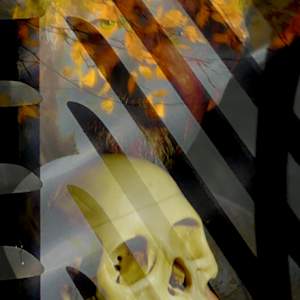
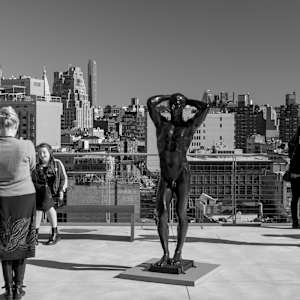
I think of museums as works in themselves, made things--often revered ones--full of curations of made things and of lookers, schmoozers, observers. So when I visit I am drawn to the space as a whole. Yet in my artistic practice I often seek to remove the burden of reverence for encounters with art. Still, I wish that more people had a chance to experience the vast unseen parts of these places.
First Encounters
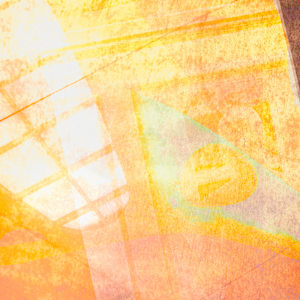
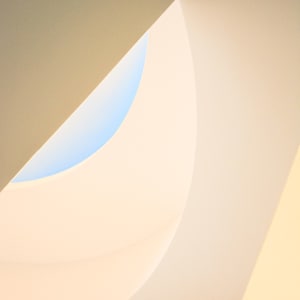
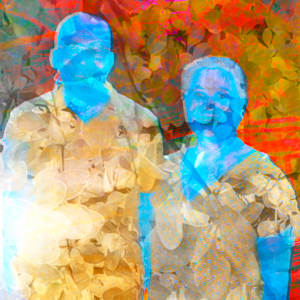
For these multilayered, life-sized photographic portraits I'asked strangers to pose for me and then blended the portraiture layer with several from the surrounding location. I don’t interview the subjects and I know no more about them than I leaned from our encounter when asking them to pose. People can lose their identity as strangers very quickly. So I take the pictures almost immediately, before familiarity changes the dynamic.
This project grew out of a public art commission that would present the vitality if the Othello neighborhood in Seattle but expanded beyond that community. Throughout its history Othello was a neighborhood of the excluded that was now trying to find a balance between gentrification and retention of its pre-existing, diverse population.
This project grew out of a public art commission that would present the vitality if the Othello neighborhood in Seattle but expanded beyond that community. Throughout its history Othello was a neighborhood of the excluded that was now trying to find a balance between gentrification and retention of its pre-existing, diverse population.


Public Art
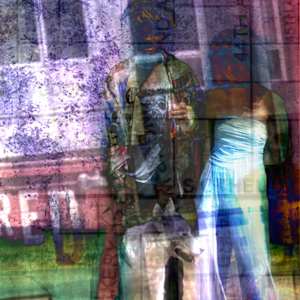
The collection contains both installed commissioned public art and alternatives options produced under commission. At this time I retain the rights for all the work. So it remains available for negotiated purchase as a limited use design or in smaller, home or office friendly sizes.


In Plain Sight
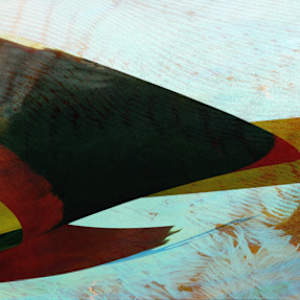
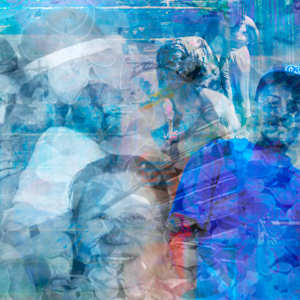
Visual art is a capable defense against self censorship, alerting us to what we edit out of our view, ignore, leave blurry or obscured, or just plain avoid altogether—and to what our cultures’ thought structures camouflage. The works in my In Plain Sight series press observers to look more deeply at all that is before them in both art and in life. I hope that it rewards the attentive observer by providing more nodes from which to create a more personal understanding.

The Digital Gaze
I began working in the darkroom in the summer or 1962 as part of a summer science program that used hands-on methods to teach sixth graders about the nature of chemical reactions--and my practical and academic education in photography continued from there (raise your hand if you ever calculated circles of confusion to assess viewing sharpness or the calculated reciprocity adjustments when shooting with a view camera?).
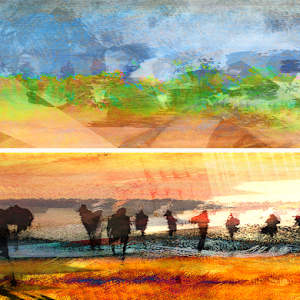
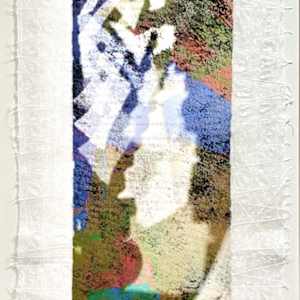
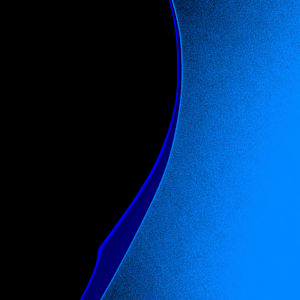
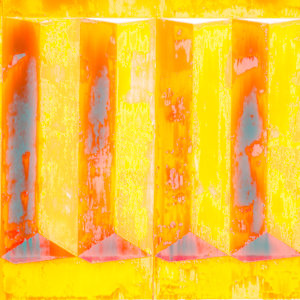
But I when I picked up a digital camera at the end of 2013 I was shocked at how much digital cameras saw that we don't see or perhaps just don't register. I started doing very deep crops, such as 100 x 200 pixels out of the 4,000 x 6,000 pixel file--often from files that already zoomed in closely on their subjects. I didn't, and still mostly don't, run from traces of a work's digital origins. Doing that, to me, would be like telling Van Gogh to stop putting so much paint on the canvas. All art is made. Live with it.
Even though I do little of this sort of work now, my initial interest in the gap between digital vision and human vision remains strong. It is responsible for my ongoing inquiry into self censorship of what is in plain sight.
But I when I picked up a digital camera at the end of 2013 I was shocked at how much digital cameras saw that we don't see or perhaps just don't register. I started doing very deep crops, such as 100 x 200 pixels out of the 4,000 x 6,000 pixel file--often from files that already zoomed in closely on their subjects. I didn't, and still mostly don't, run from traces of a work's digital origins. Doing that, to me, would be like telling Van Gogh to stop putting so much paint on the canvas. All art is made. Live with it.
Even though I do little of this sort of work now, my initial interest in the gap between digital vision and human vision remains strong. It is responsible for my ongoing inquiry into self censorship of what is in plain sight.

The Choreography of the Shared Social Space
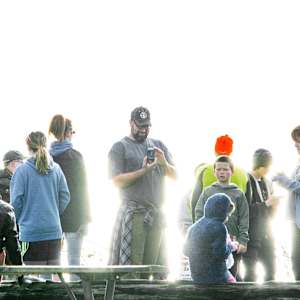
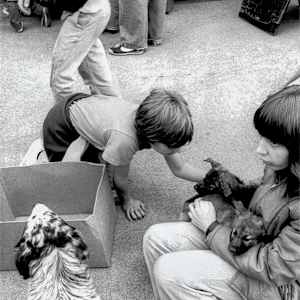
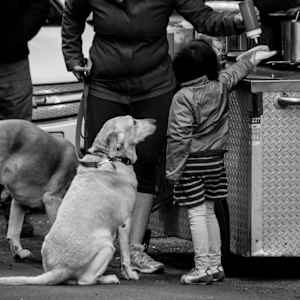
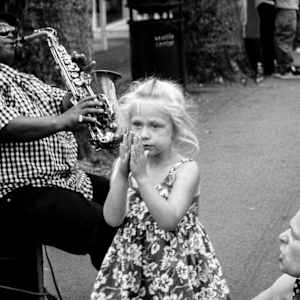
When I started taking, processing, and printing photographs in 1962 to say something was digital meant it was done by hand. So in that sense I have been doing digital photography since we starting using the term. I say this because for the first seven or eight years that I did photography I thought that street photography was the one true photography. Though voyeurism must have been part of my fascination, and interest in the lives we live as individuals or collectives certainly was part, interest in how we share spaces was a compelling interest. I still love to take in the dance, with its rhythms, reconfigurations, collisions, evasions--and its sound track as well.
Stage Play
I prefer offering open opportunities for viewers to create their own narratives to being a storyteller myself. It is one of the reasons that I was so taken by Julio Cortázar's Hopscotch when I read it fifty years ago. So together these works make a flexible narrative of the stages of interpersonal relationships. I had intended to have viewers rearrange smaller prints, photograph their curations, and post them back to a video monitor in the exhibition. Alas, though the work has been exhibited the interactive elements were not incorporated into the exhibition.

Some Personal Favorites
This collection is nothing more nor less than its title says that it is: Individual works that for one reason or another I have a special fondness for. I don't think of them as legacy collection--or any collection at all. That are not a curated set beyond my giving in to saying "Dang. I like this one." (BTW, that is a form of curation since: Decision + Control = Curation.) But the curation here is so loose that I set the order--but not the selection--of images to randomly change each day.
Newest Work
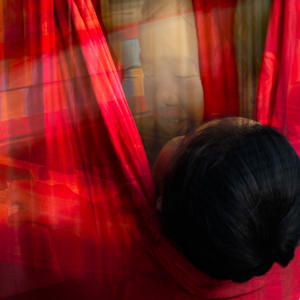
Here are some new works, though as an elder myself I can say that the new and the old sometimes coexist. In the case of my multilayered work that means that the new work can contain older work among its layers. I also will be include restored versions of old analog images.