
May Babcock
A papermaking artist using abundant natural materials foraged in New England, giving voice to waterways and their surrounding lands.
Message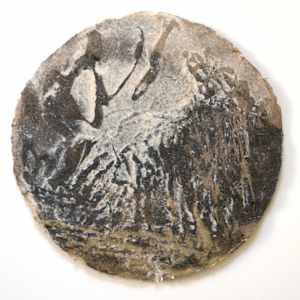
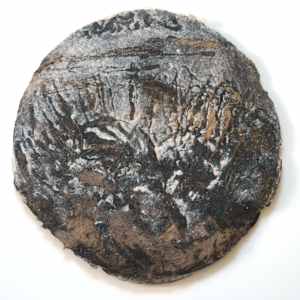
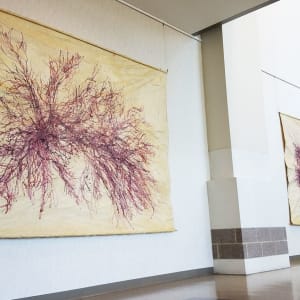
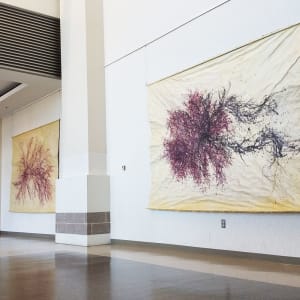
Living Fossils
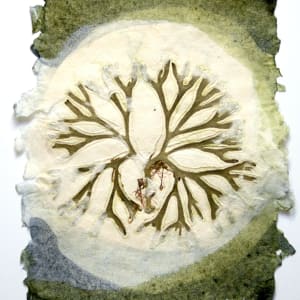
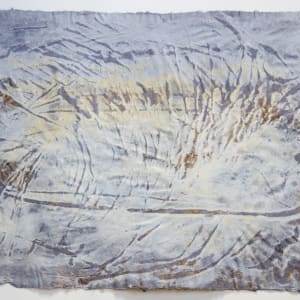
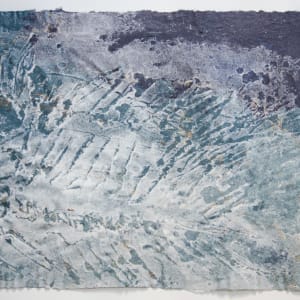
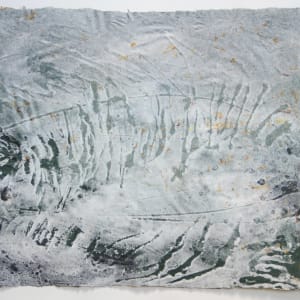
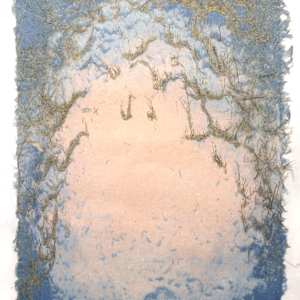
Living Fossils is a series of pulptypes contemplating the emergence and disappearance of species over the epochs. Using Gingko biloba fibers, they seek connections between our present ecologies and ancient species that are still living or have become extinct. The imagery is based on the artists' blind drawings of fossilized fish from the Harvard Museum of Natural History in Boston, MA, and color studies of water surfaces in Narragansett Bay, RI. Gingko biloba is native to China and is one of the oldest living tree species in the world. ‘Pulptype’ is a technique the artist discovered, which is informed by both the printmaking and hand papermaking processes—it uses only handmade paper pulp, and results in works that resemble monotypes.
![[FRAMED] Rhode Island Herbarium: Green Hill Beach #1 by May Babcock, Image 1.](https://assets.artworkarchive.com/image/upload/t_square_crop_small/v1/user_38266/herbarium-moonstone-WEB-7_sw0be1.jpg)
Rome Point Seaweed Constructions
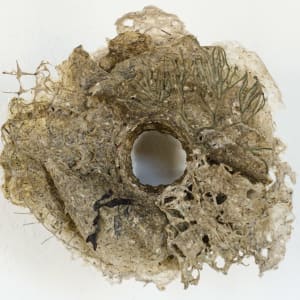
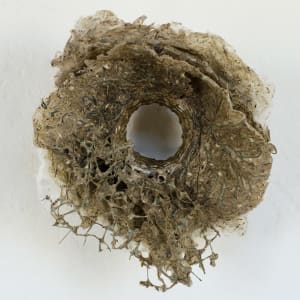
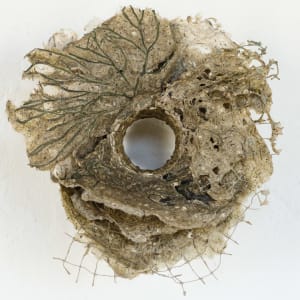
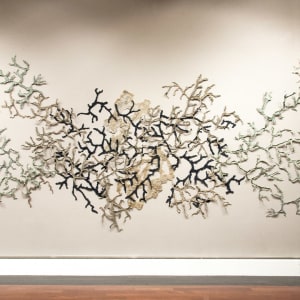
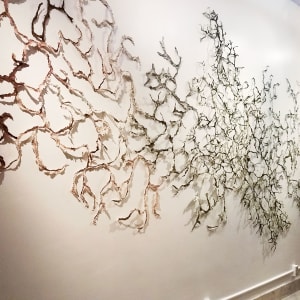
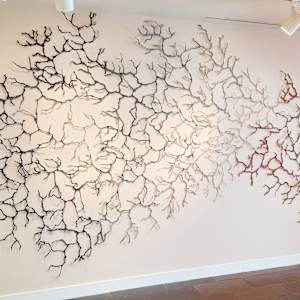
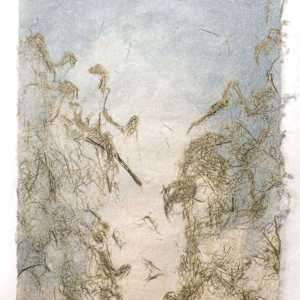
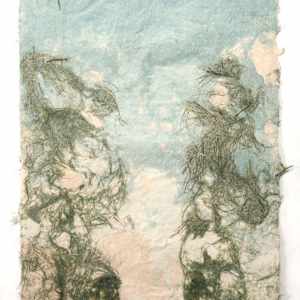
Rome Point Seaweed Constructions is a series of wall sculptures made from invasive seaweed paper, that tells a story of industry interwoven with a species from afar, and how humans shape the waters more than we know.
Rome Point is located in Rhode Island, USA. It was a summer fishing place for thousands of years for the Narragansett tribe. In the 1970s, the site was considered for a UNC nuclear energy plant, with cooling towers that would circulate hot water into the cold ocean waters, raising the temperature of the Bay. Through community advocacy, this did not happen.
The artist made the paper from Rome Point’s Codium fragile seaweed, which arrived to coastal North America in the 1950s, in ship ballast water from Japan. It outcompetes eel grass needed for shellfish, and so is labeled as an invasive species. The form is influenced by nuclear cooling towers and the act binding together book pages. Rome Point Seaweed Constructions are inspired by these interconnections, circular systems, and ties between past, present, and future.