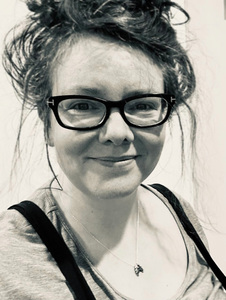
Lorna Herf
Los Angeles, CA
Lorna Herf is a Los Angeles, California based artist and metalsmith whose work explores humanity’s connection to our environment.
MessageLost and Found
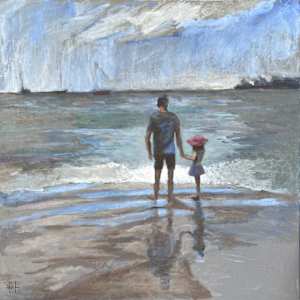
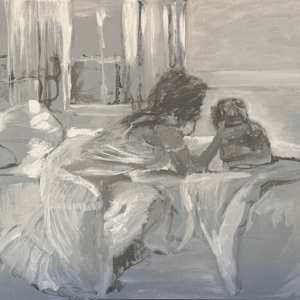
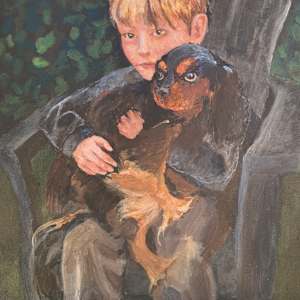
In Lost and Found, painter Lorna Herf explores themes of the passage of time, lost moments, and found presence, where each painting carries a deeper story behind the sweetness. Lost and Found is a place where found items are brought; where one seeks to reunite with something lost; and the liminal space where a missing piece waits to be reclaimed.
This show marks a return to serious painting for Lorna after a tendon injury in her dominant hand almost 18 years ago. Today, working from a combination of photographs and memories, Lorna brings color and emotion through different periods of the past. Color palettes shift between realistic and monochromatic colors, with soft details to transport the viewer to a dreamy sense of nostalgia.
This show marks a return to serious painting for Lorna after a tendon injury in her dominant hand almost 18 years ago. Today, working from a combination of photographs and memories, Lorna brings color and emotion through different periods of the past. Color palettes shift between realistic and monochromatic colors, with soft details to transport the viewer to a dreamy sense of nostalgia.
Pareidolia
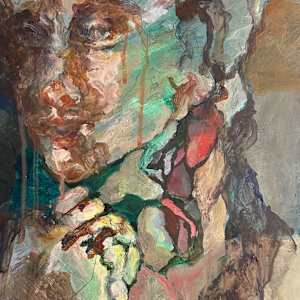
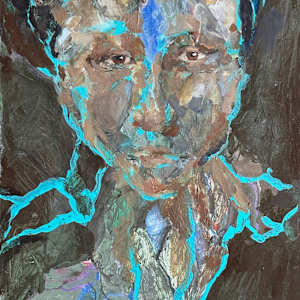
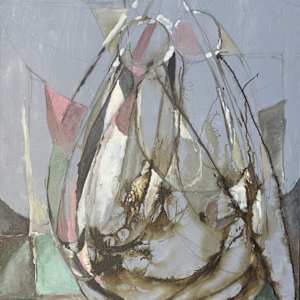
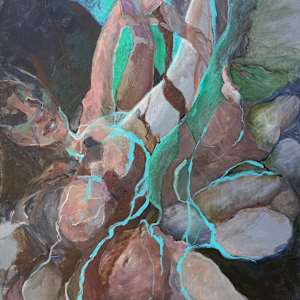
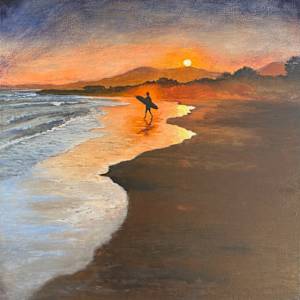
Pareidolia is the tendency to find patterns inside chaos. Faces in tree bark, shapes in clouds, holy figures in toast. I've adopted this as a guiding philosophy in creating my latest body of work. The show runs May 20 - June 12 at TAG in Los Angeles.
To me, the most interesting paintings have the ability to hold a dialog between the lines and shapes on canvas, the style of the day, the changing light of the room, and the viewer’s own interpretation. In Pareidolia, I invite the viewer to join this dialog.
What we see is informed by who we are: our personal history, our preferences, our current emotional state. As we gain experience and understanding, we learn to see more deeply, finding patterns, and identifying meaning. And so it is with art.
To me, the most interesting paintings have the ability to hold a dialog between the lines and shapes on canvas, the style of the day, the changing light of the room, and the viewer’s own interpretation. In Pareidolia, I invite the viewer to join this dialog.
What we see is informed by who we are: our personal history, our preferences, our current emotional state. As we gain experience and understanding, we learn to see more deeply, finding patterns, and identifying meaning. And so it is with art.