Bubbles
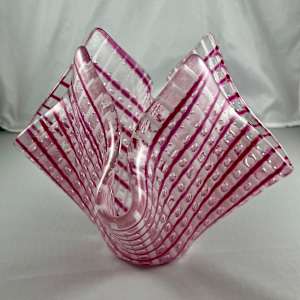
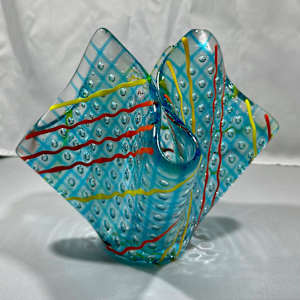
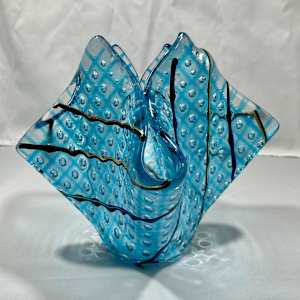
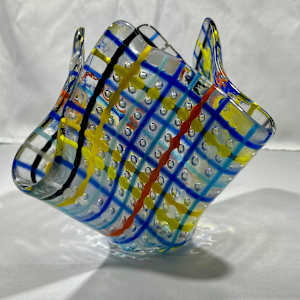
Using spaces between stringers, bubbles are intentionally created and become part of the design.
Chemical reactions
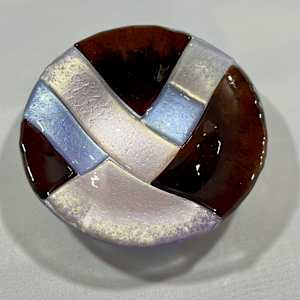
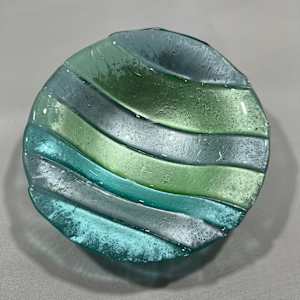
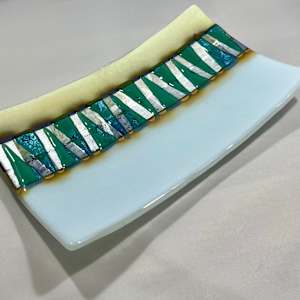
Chemical reactions can happen when firing particular colors and tints with silver foil or other metallic accents.
Hand-painted bowls
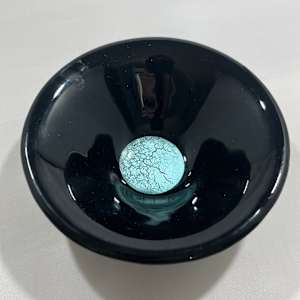
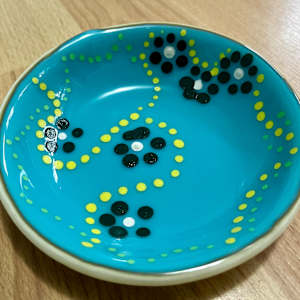
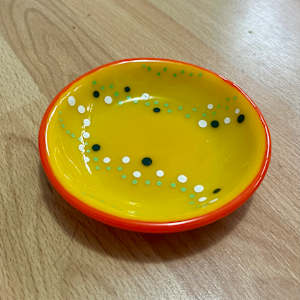
Each of these bowls is hand-painted, using enamel paint. They are small and designed to be used for dips or sauces.
Mandalas
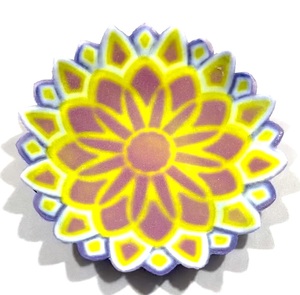
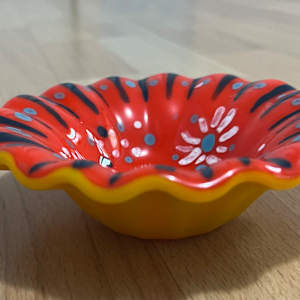
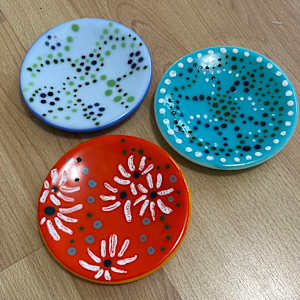
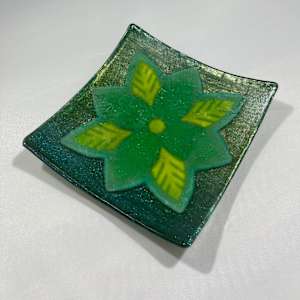
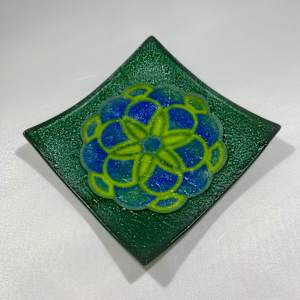
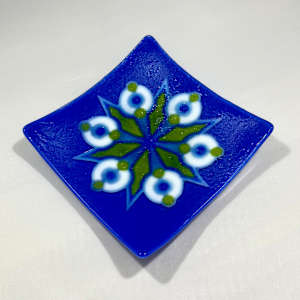
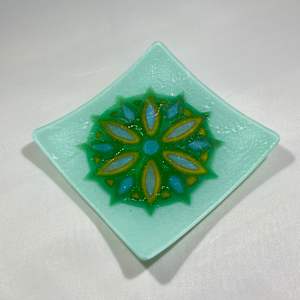
Mandalas are created by making wafers from glass powder and then firing them on a "blank" or firing two wafers back to back.
Milestone decals
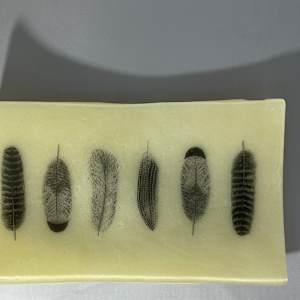
Milestone decals are a great way to add visual interest to practical glass products.
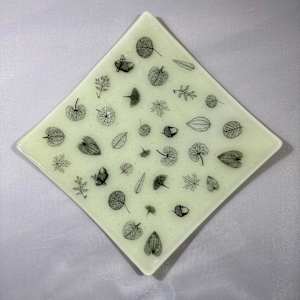
Nature molds
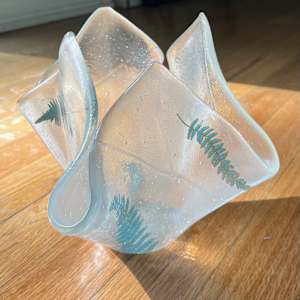
Using specialized molds, glass powders, and varying sizes of frit, these pieces are fired to be decorative and functional.
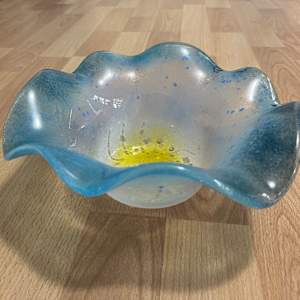
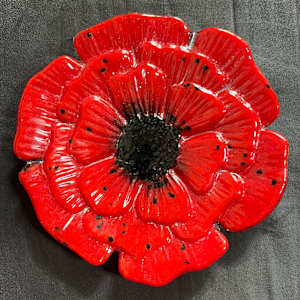
Optics
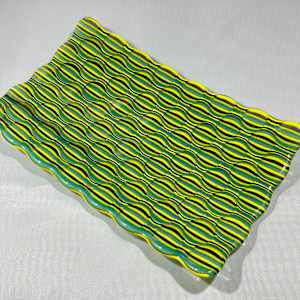
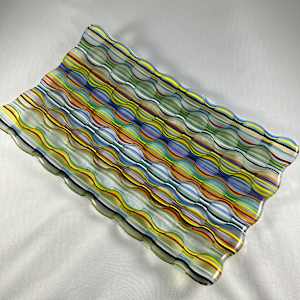
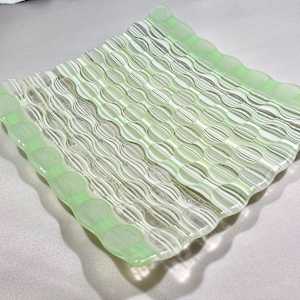
These pieces were all created using the "optics" technique, which is my favorite method of making beautiful and practical glass work.
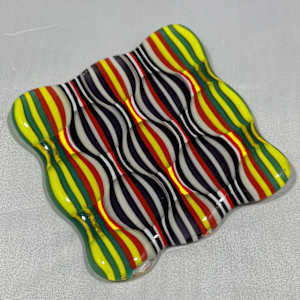
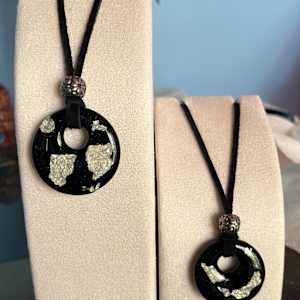
Silver or Brass Foil
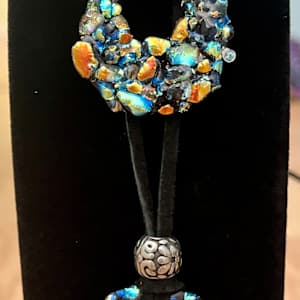
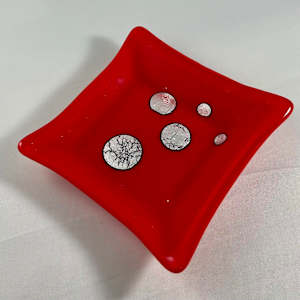
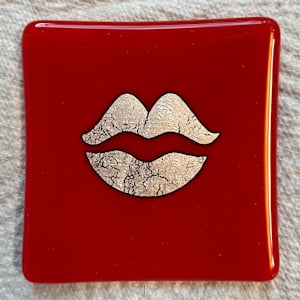
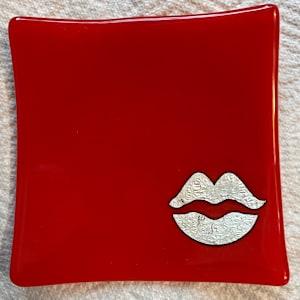
Silver foil is used to achieve brilliant metallic details, create complex textures, and spark unique chemical color reactions with the surrounding glass. When exposed to kiln firing temperatures, the silver interacts with trace minerals in the glass, producing halos, subtle color changes, and unique veining.
Stacks
Stacks are created by stacking increasingly smaller pieces of glass as the design is built up.
Weavings
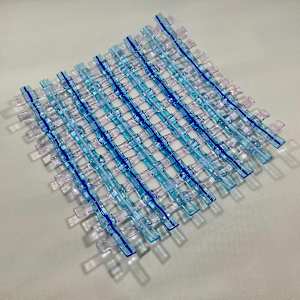
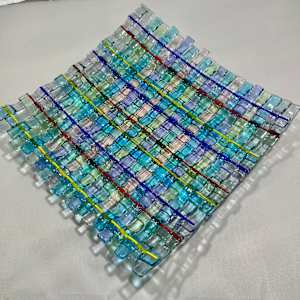
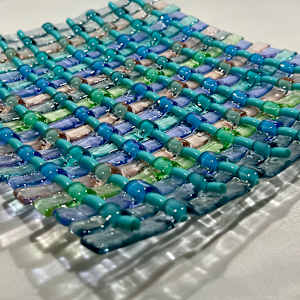
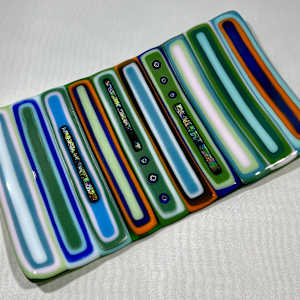
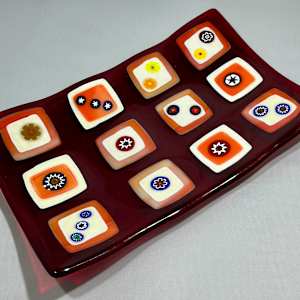
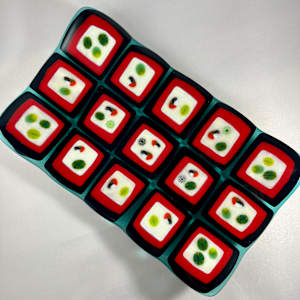
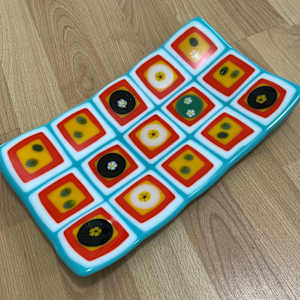
To weave glass, thin strips are cut, wave strips are created through a firing process, and then the wave strips and straight strips are interwoven.