Doug Winter
Elk Grove, CA
Photographic artist and filmmaker with impaired vision. My work explores altered vision, memory, light, time, and how images fail, shift, and rebuild.
Message
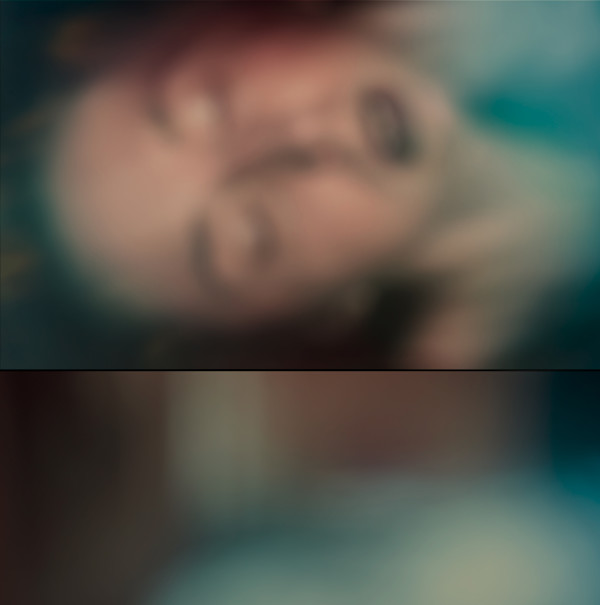
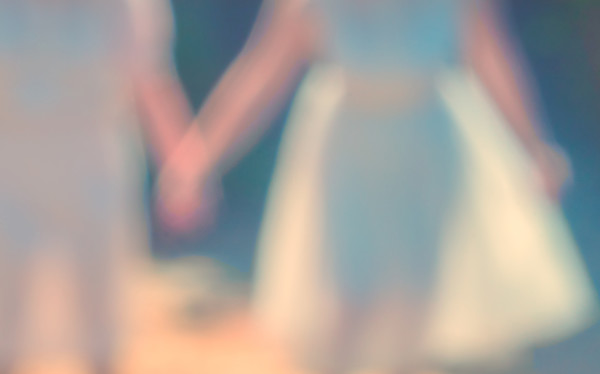
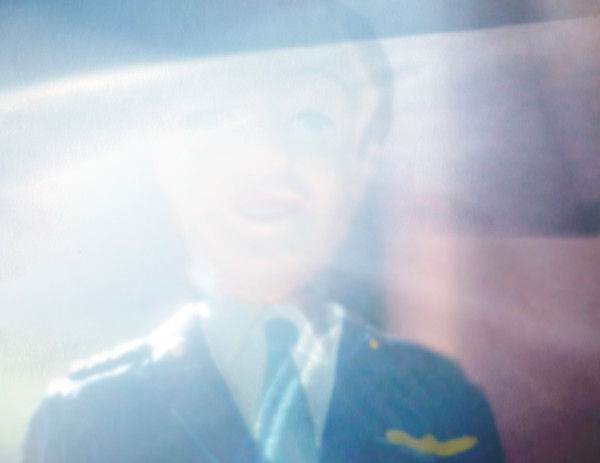
This work comes from the period after my father lost his sight. Our conversations changed then. They became slower, more about listening than looking. I began to think about how memory works when vision is gone, and how color might carry what words cannot.
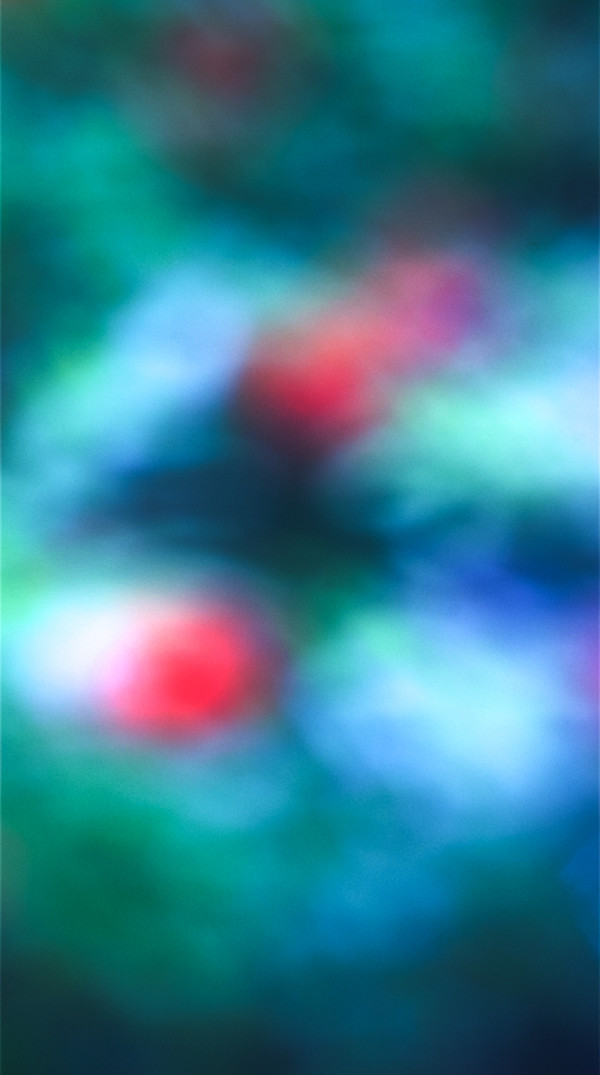
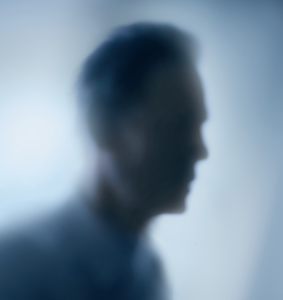
The blue in North East, Day 3, comes from that space between us. It is not sadness exactly, but something closer to recognition, a way of saying “I remember” without speaking. Altering the camera became a way of understanding his impairment alongside my own, and of holding on to what felt as though it were slipping away.
This image marks an early turning point in the work, when light and memory began to merge, and when I understood that even after clarity fades, perception continues.
This image marks an early turning point in this research, when light and memory began to merge, when I understood that even in darkness, perception continues to move and breathe after clarity fades.
- Subject Matter: Father and child relationship, blindness and memory, perception and light, emotional abstraction, generational inheritance