Doug Winter
Elk Grove, CA
Photographic artist and filmmaker with impaired vision. My work explores altered vision, memory, light, time, and how images fail, shift, and rebuild.
Message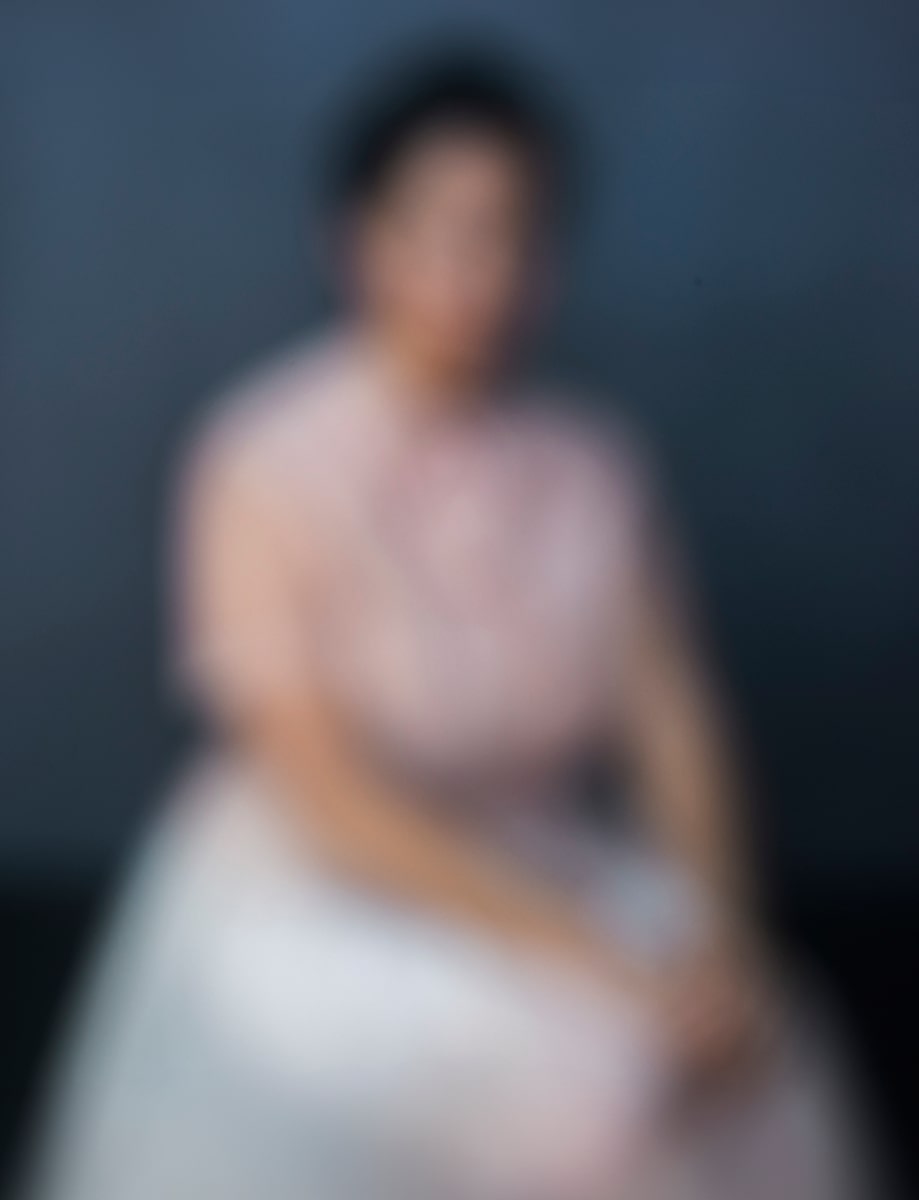
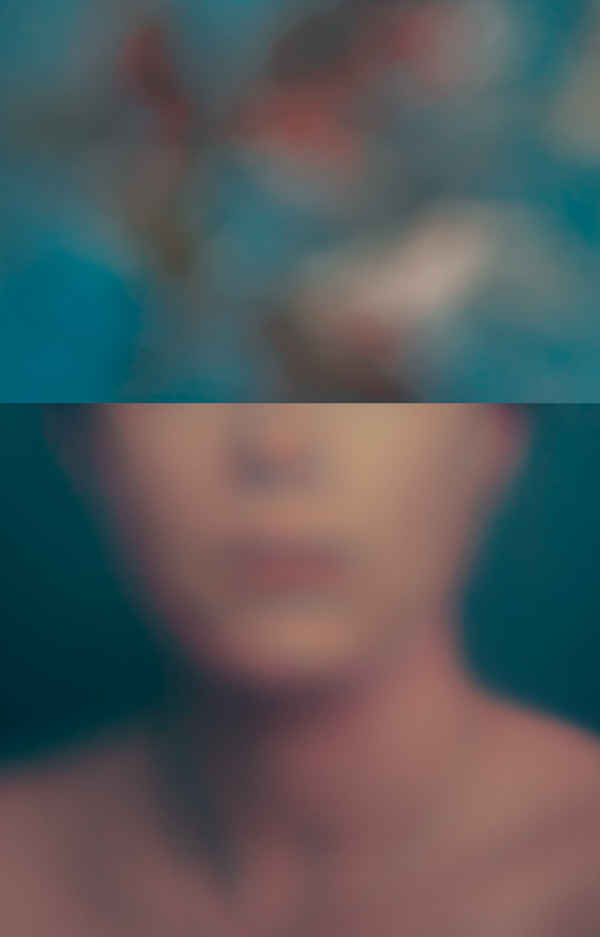
“Hold still.” It was something I heard over and over growing up, as a neurodivergent kid asked to quiet my body, control my focus, and behave. This image resists that request.
Shot through a modified lens, the figure sits composed yet blurred, dissolving at the edges. This image does not represent how I see, but how I might remember a loved one over time. This person might be someone I once knew, someone I once was, or someone I am trying not to forget. Memory is not permanent. It is soluble. What appears to be a failure of focus is a deliberate act: a way of showing how recollection softens, shifts, and slips toward invention.
- Subject Matter: Portraiture, Memory, Perception, Neurodivergence