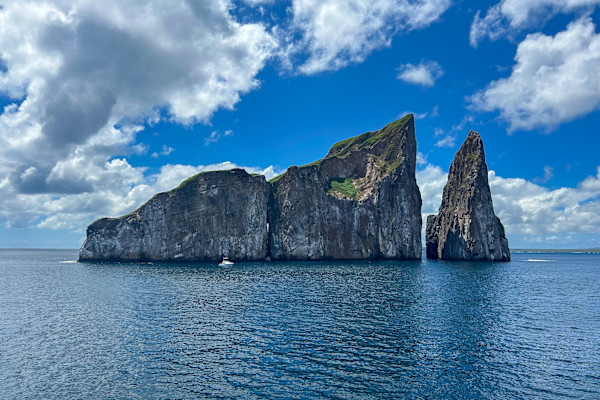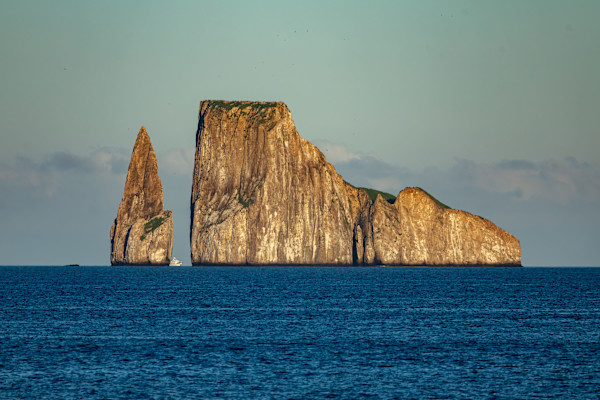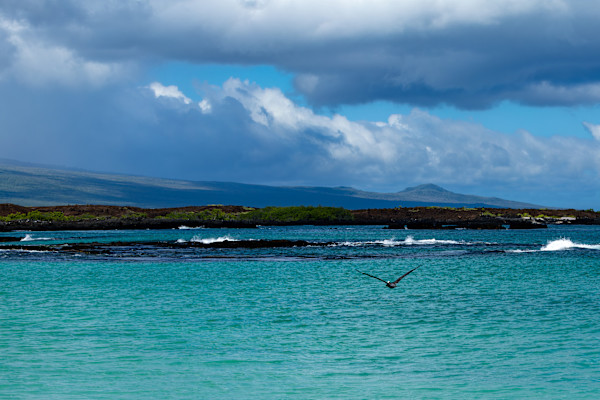
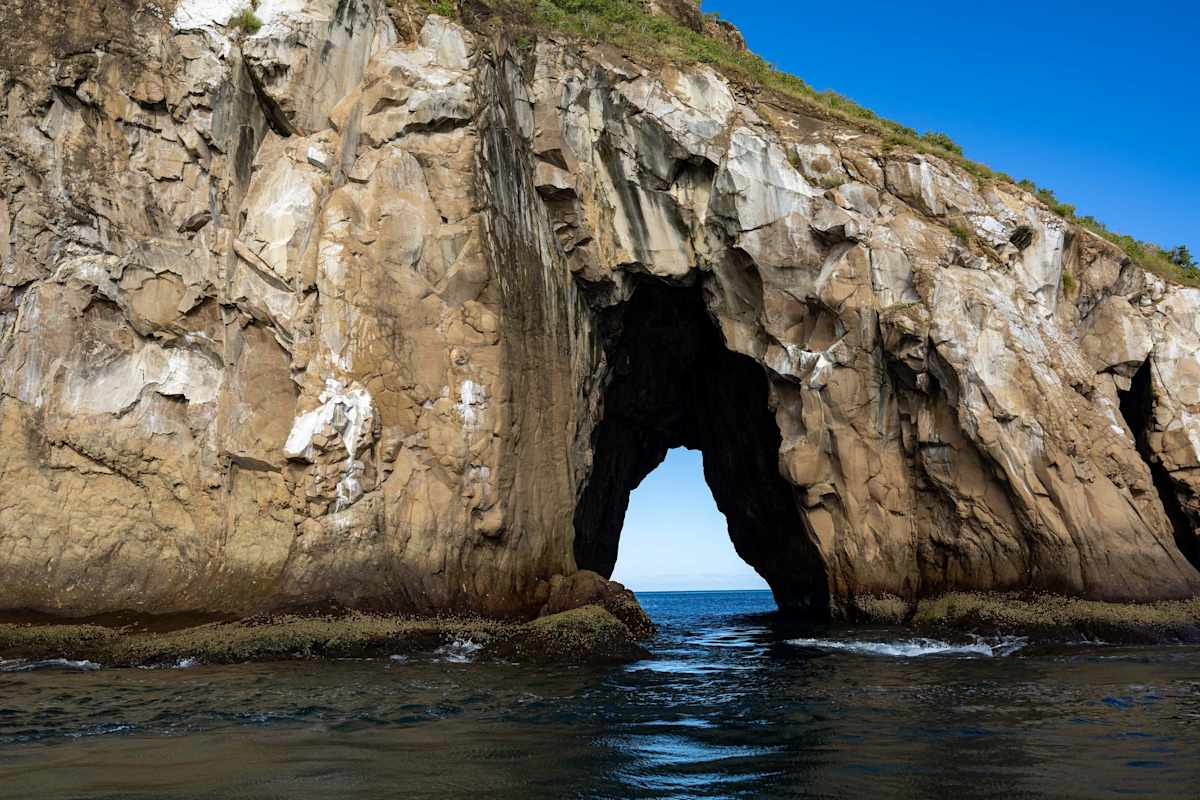
There are actually two small islets named Gardner in the Galápagos, both of which punch well above their weight in terms of ecological significance. Gardner Islet near Española Island is a low-lying rocky outcrop that sits just off the coast and is perhaps best known for the breathtaking Gardner Bay, whose curve of powdery white sand and crystal-clear turquoise water is frequently cited as one of the most beautiful beaches in the entire archipelago, drawing snorkelers who glide alongside sea turtles, reef sharks, and rays in the warm shallows. Gardner Islet near Floreana, on the other hand, holds a far more urgent conservation importance — along with the nearby Champion Islet, it is one of only two places on Earth where the critically endangered Floreana mockingbird (*Mimus trifasciatus*) still survives, having been wiped off the main island of Floreana by introduced predators such as rats and cats following human settlement in the nineteenth century. Conservation efforts in recent years have focused on a landmark rewilding project aimed at eradicating invasive species from Floreana itself so that the mockingbird, along with other locally extinct species, can eventually be reintroduced to the main island — making this tiny islet not just a refuge but a living ark, quietly preserving a species that Darwin himself observed and that remains one of the most poignant symbols of extinction risk in the Galápagos.
- Subject Matter: landscape
- Collections: Digital photography , Ecuador and Galapagos, Seascapes