
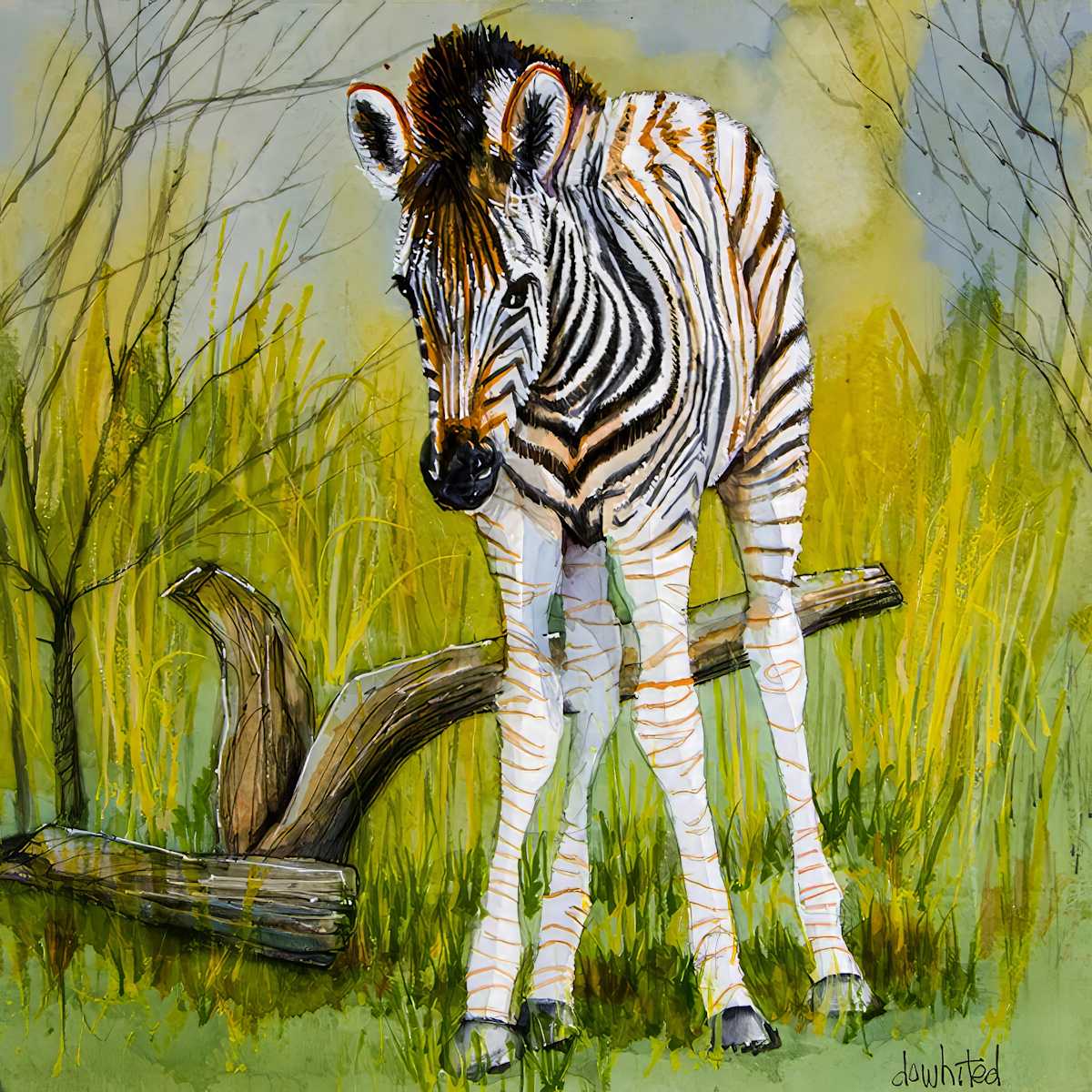
The African plains zebra (Equus quagga), also known as the common zebra, is a striking, horse-like mammal native to the grasslands, savannas, and open woodlands of eastern and southern Africa. It stands roughly 4 to 5 feet tall at the shoulder and weighs between 400 and 850 pounds, with a sturdy, compact build well-suited to long migrations across vast terrain. Its most iconic feature is its bold pattern of black and white stripes, which run vertically along the neck and body and horizontally down the legs — a pattern as unique to each individual as a human fingerprint. These stripes are thought to serve multiple purposes, including confusing predators, regulating body temperature, and helping herd members recognize one another. Plains zebras are highly social animals, living in small family groups led by a dominant stallion, and they often gather in massive herds alongside wildebeest and antelope during seasonal migrations. They are grazers, feeding primarily on grasses, and their digestive systems allow them to process coarser vegetation that other herbivores leave behind. Despite facing threats from habitat loss, hunting, and competition with livestock, the plains zebra remains the most abundant of the three zebra species found in Africa.
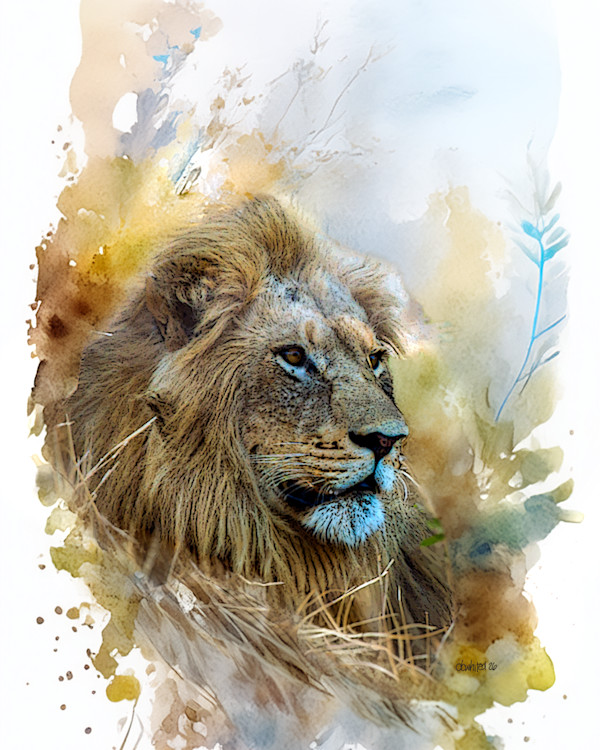
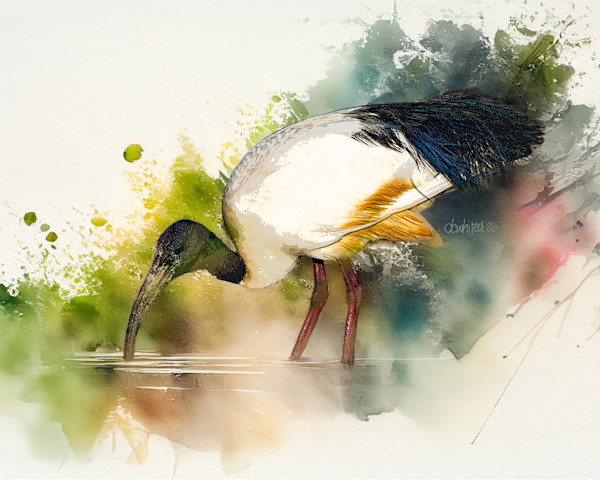
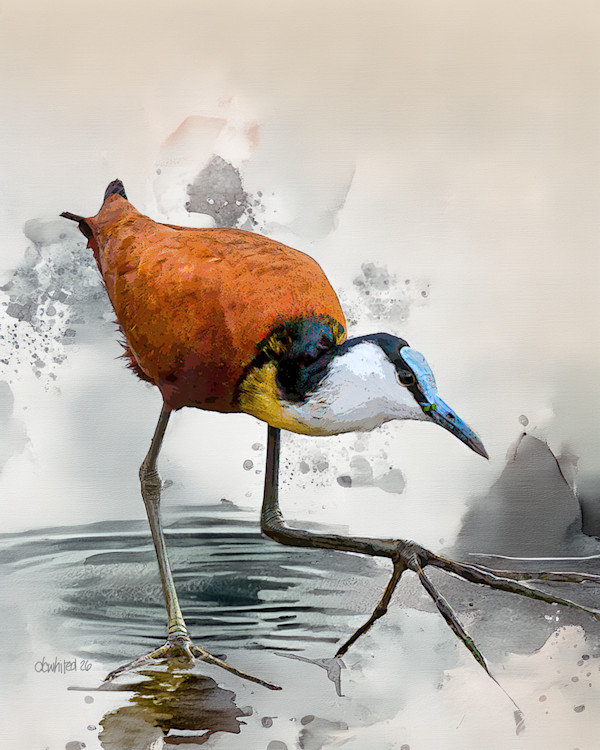
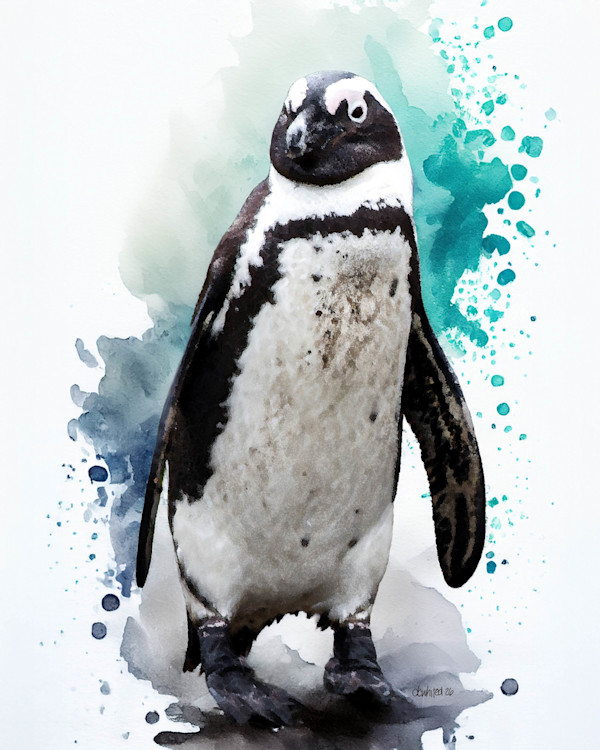
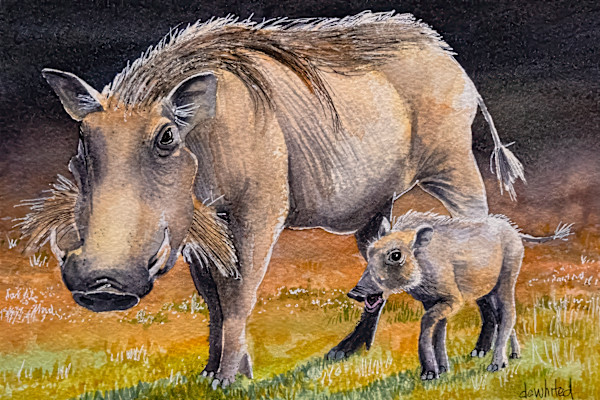
- Subject Matter: Animals
- Collections: Animals, Watercolor painting