In making collages, Glynn is expressing fictions that society produces about those incarcerated, whose emotional utterances are normally ignored. Collaging these jail cells becomes a meditative process of cutting, pasting, and assembling to form an intention and speak about the inequities. It is also a codified language that allows her to pull from a variety of relatable sources and condense them into a single image about the imprisoned. This cathartic violence applied to the materials allows the broken-up pieces to be restructured while remaining fractured, as the people are. Glynn’s hope is that elements of poetic abstraction mixed with critically charged content allows the one-off cell collages to live as hybrid portraits of otherness, isolation, diversity, and systematic injustice.
Glynn Cartledge
Jail Cell: White Boy Passing Through
Oil, watercolor paper, collaged book images
“My views of the failing justice system certainly are not original; many share these views. But as an artist and attorney, I hope that what I bring to the artwork is original in that it comes directly from firsthand experience working within the justice system. In my studio, I research, reimagine, and create to convey this world. My work comes from a deeply personal place I occupied for many years. In paintings, collages, and recorded histories, I tell stories of the formerly incarcerated. I speak about the old-time, long-time universality of criminal injustice, which targets the least privileged among us.
Having walked the halls of the courthouses, jails, and prisons, I have witnessed the consistent manifestation of bigotry, classism, and hubris in place of service, and that is what continues to motivate my work.”
— Glynn Cartledge
About the artist
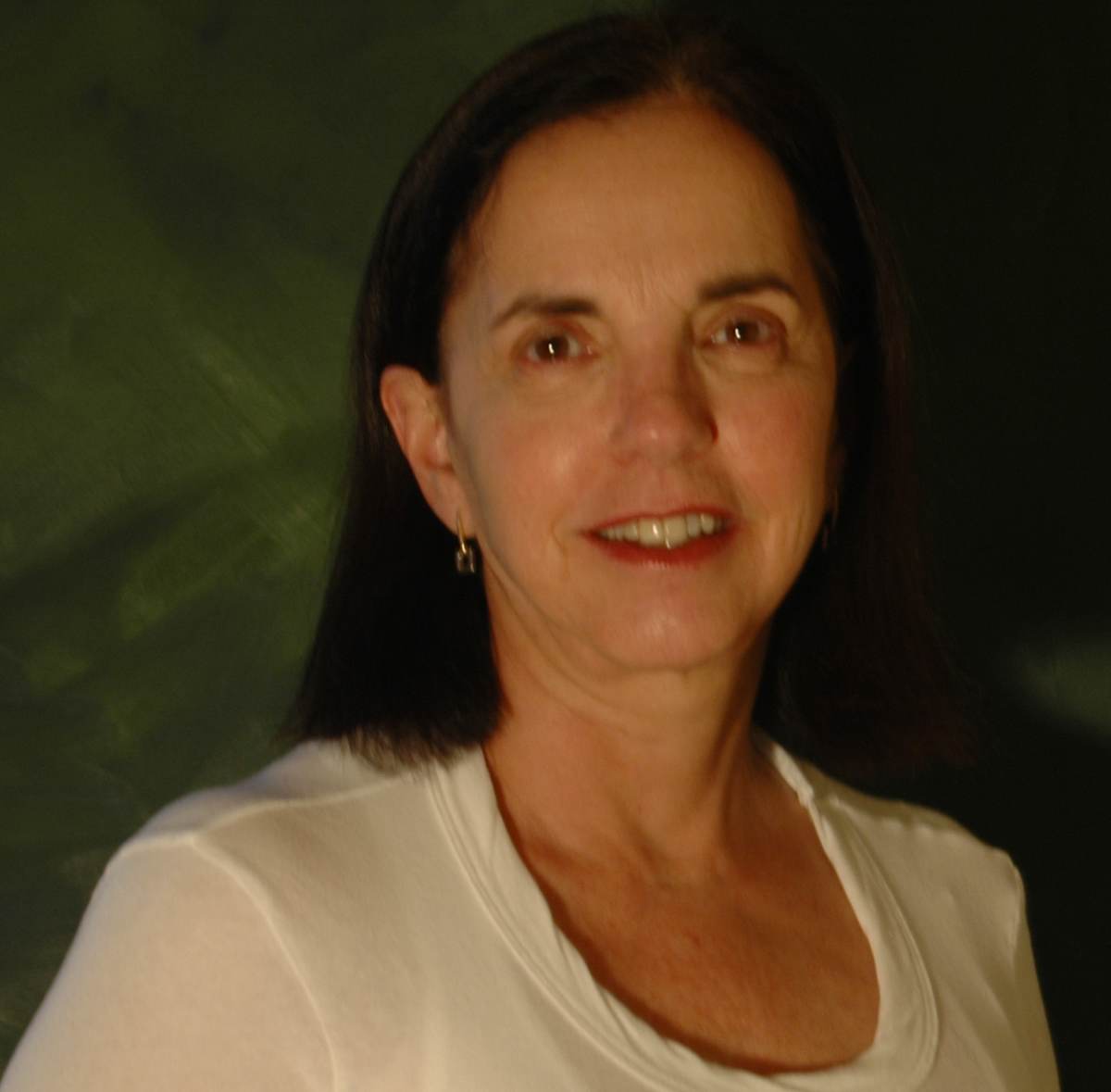
Glynn Cartledge
In making collages, Glynn is expressing fictions that society produces about those incarcerated, whose emotional utterances are normally ignored. Collaging these jail cells becomes a meditative process of cutting, pasting, and assembling to form an intention and speak about the inequities. It is also a codified language that allows her to pull from a variety of relatable sources and condense them into a single image about the imprisoned. This cathartic violence applied to the materials allows the broken-up pieces to be restructured while remaining fractured, as the people are. Glynn’s hope is that elements of poetic abstraction mixed with critically charged content allows the one-off cell collages to live as hybrid portraits of otherness, isolation, diversity, and systematic injustice.
Loading image...
Image could not load.