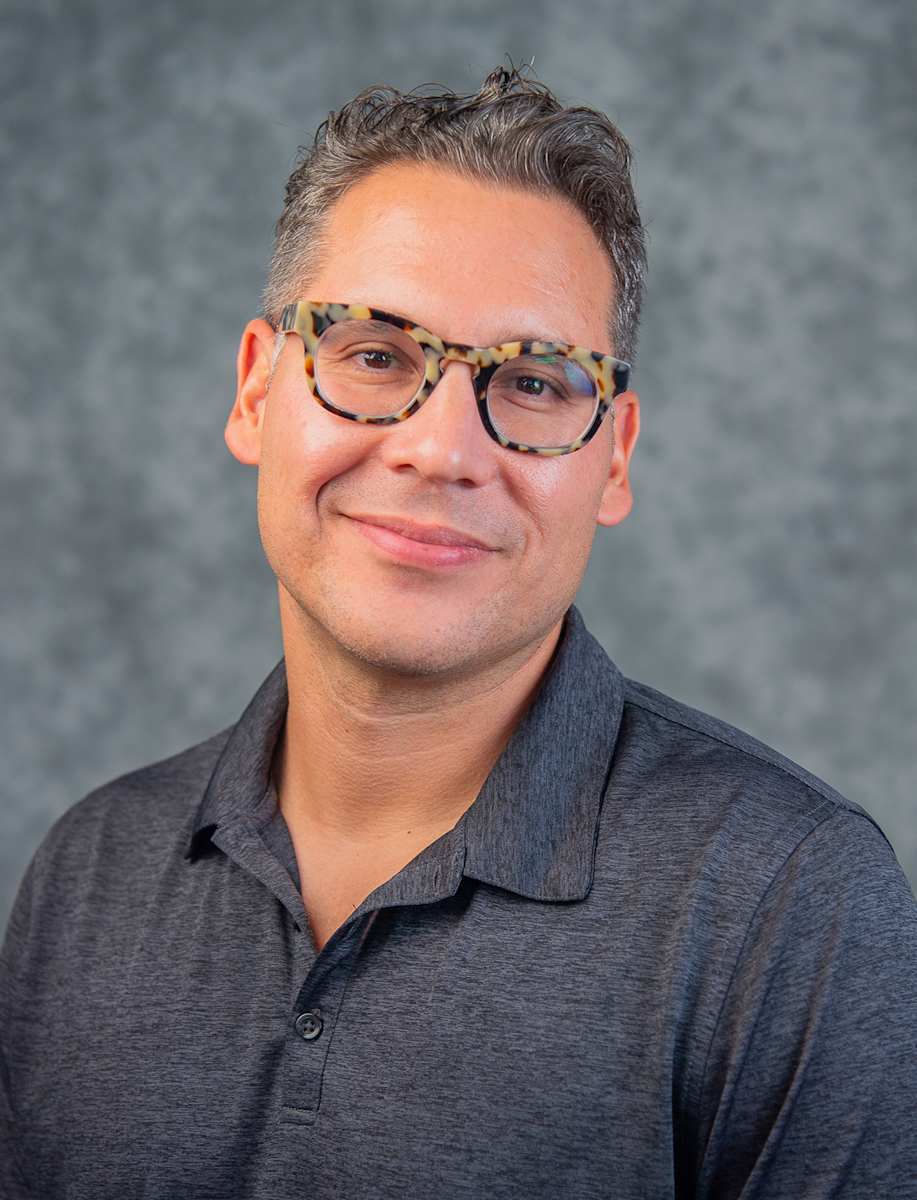
"My body of work is often a deliberate effort to engage the Latinx community with contemporary art through public guerrilla installations. By utilizing the text and characteristics of the piñata, I aim to comfortably engage underserved audiences and provoke discussion, self-reflection, and an examination of one’s circumstances. Spanglish idioms often fail English translation and are incorporated into the work. The subtext lost through translation becomes a larger metaphor for society’s misunderstanding of cultures deemed as foreign...While a sentimental offering to our Latinx communities, my practice challenges dominant power structures through the most frivolous means: tissue paper."
— Giovanni Valderas
About the artist
Giovanni Valderas
American
My paintings incorporate mixed media elements, such as indigenous fabrics, duct tape, paper, acrylic paint, drawing, and wood. Pulling from my culture, history, and origins, I produce three-dimensional works that address the tattered relationship with my Guatemalan, Mexican, and American ancestry. Elements of the traditional piñata are deconstructed and incorporated into these works to transform the piñata’s original identity from one of gratuitous celebration into one of a cultural construct. My work focuses on engaging the Latinx community with contemporary art through public and guerilla installations. Through the utilization of text and characteristics of the piñata, I am able to comfortably engage underserved audiences and provoke discussion, self-reflection, and an examination of one’s circumstances. Spanglish idioms often fail English translation and are incorporated into the work. The subtext is lost through translation and becomes a larger metaphor for society’s misunderstanding of cultures deemed as foreign. Text is specifically selected to reach an audience not typically served nor comfortable with art. I consider my artwork a social practice that seeks inclusivity through art placement and language. While a sentimental offering to our Latinx communities, my practice challenges dominant power structures through the most frivolous means: tissue paper. Jose Vasconcelos, the Mexican writer, philosopher, and politician, has greatly influenced my practice. After the Mexican Revolution, Vasconcelos became the Rector of the National University and, later, Secretary of Education. During his tenure, he commissioned artists to surround themselves with the Mexican people, absorbing their passions and conflicts and allowing artists to discover the true landscape of Mexican life. They were given the walls of public buildings to create murals disseminating their knowledge, giving rise to the cultural rebirth: Mexican Muralism. Vasconcelos intentionally used the artistic talent of Rivera, Orozco, and Siqueiros to educate the masses through a visual vocabulary. By his recognition of the importance of reaching new audiences outside of the contemporary art milieu, I, too, must be able to communicate visually with my community outside traditional aesthetics. In short, if I want my work to resonate within my community, I must come to them, utilizing the visual and cultural vernacular embedded within my site-specific and guerrilla installations, to engage and conceptually challenge my Latinx community.