• Portfolio
  • About
  • Collections
  • Artists
  • Log In
Artwork Archive Logo
  • Discovery
Zsudayka Nzinga

Zsudayka Nzinga

Washington, dc

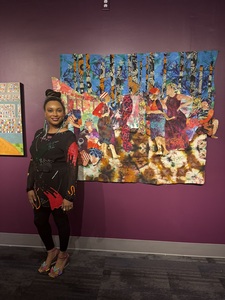
Zsudayka Nzinga is an interdisciplinary fine artist, curator and educator from Aurora, CO living in Washington, DC.

Message
  • Portfolio
  • About
  • Collections
  • Artists
All Available Sold
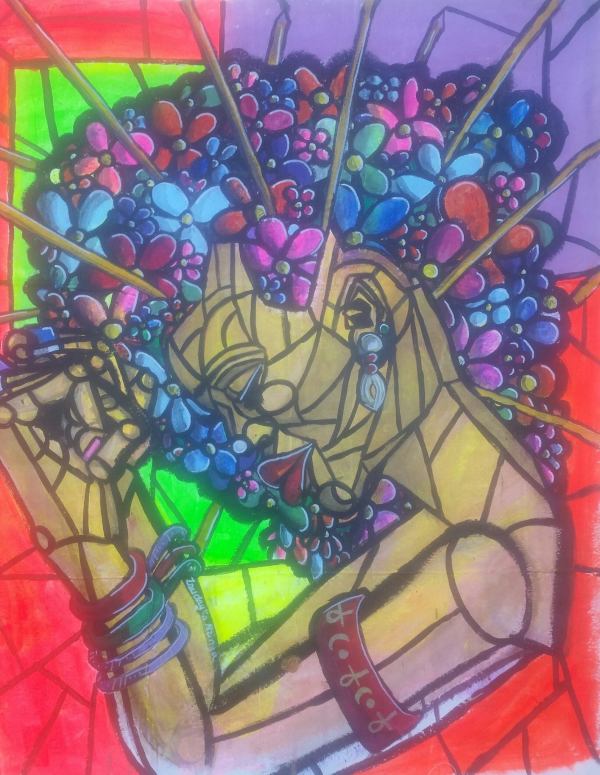
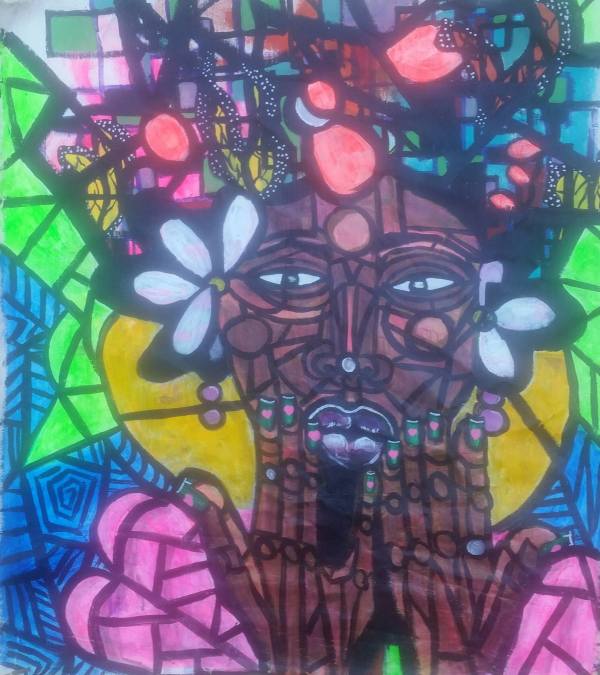
Blowing Kisses by Zsudayka Nzinga, Image 12.
  • Zsudayka Nzinga
  • Blowing Kisses, 2016
Acrylic
36 x 36 in
(91.44 x 91.44 cm)
$1,200
Sold
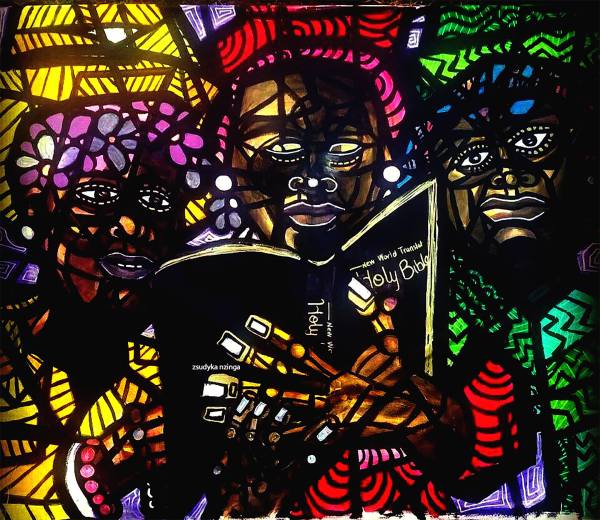
Bible Study by Zsudayka Nzinga, Image 5.
  • Zsudayka Nzinga
  • Bible Study, 2016
Acrylic
38 x 30 in
(96.52 x 76.2 cm)
$1,500
Sold
Being Strong by Zsudayka Nzinga, Image 15.
  • Zsudayka Nzinga
  • Being Strong, 2016
Acrylic
38 x 30 in
(96.52 x 76.2 cm)
$1,200
Sold
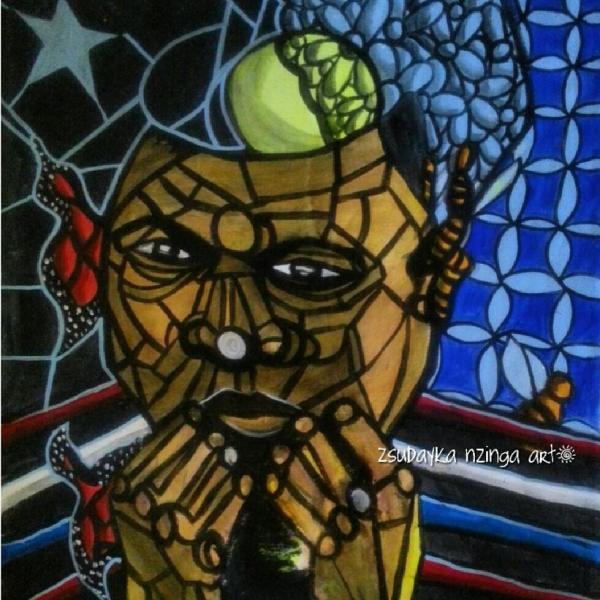
Ali by Zsudayka Nzinga, Image 10.
  • Zsudayka Nzinga
  • Ali, 2016
Acrylic
36 x 34 in
(91.44 x 86.36 cm)
$1,200
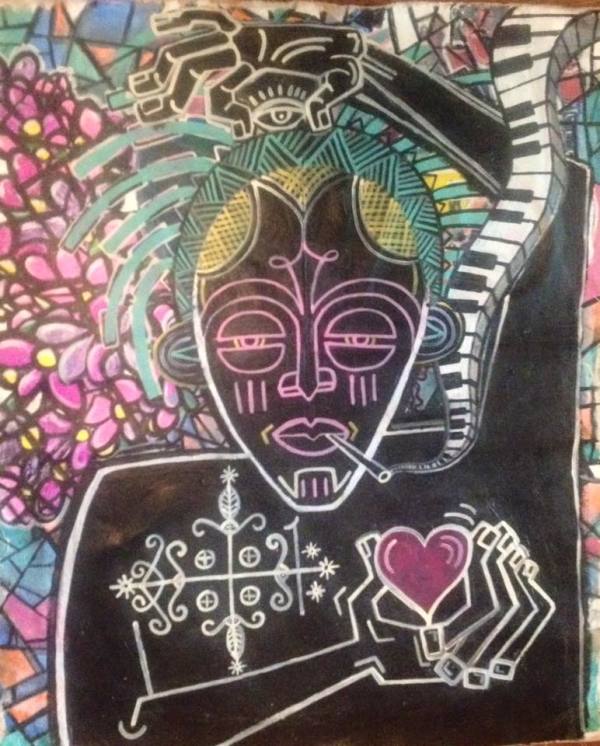
African Spirit by Zsudayka Nzinga James S Terrell, Image 10.
  • Zsudayka Nzinga James S Terrell
  • African Spirit, 2016
Acrylic
39 x 32 in
(99.06 x 81.28 cm)
$3,200
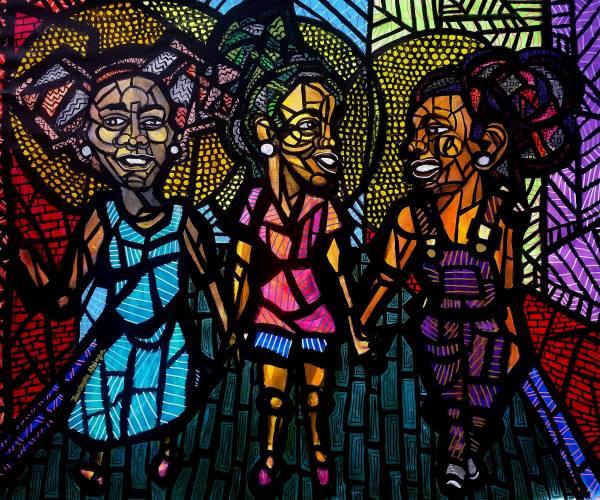
3 Little Girls by Zsudayka Nzinga, Image 8.
  • Zsudayka Nzinga
  • 3 Little Girls, 2016
Acrylic
50 x 38 in
(127.0 x 96.52 cm)
$2,500
Sold
A Blues for Nina by Zsudayka Nzinga, Image 6.
  • Zsudayka Nzinga
  • A Blues for Nina, 2015
Acrylic
40 x 60 in
(101.6 x 152.4 cm)
$6,000
Basketball Jones by Zsudayka Nzinga, Image 9.
  • Zsudayka Nzinga
  • Basketball Jones, 2014
48 x 24 in
(121.92 x 60.96 cm)
$4,700
  • 1
  • 2
  • …
  • 10
  • 11
  • 12
  • 13
  • 14
 

I am an interdisciplinary collage artist.   I am currently working on unstretched surfaces to create tapestry collage paintings using hand dyed muslin and canvas, hand marbled paper and canvas, West African inspired batik wax reduction printing, screen printing, relief printing, ink drawings, sewing, artist designed digital printed fabric and paper, and acrylic paint to create afrofuturist historical paintings that examine American history and simultaneously imagine a better future through informed escape.

Rooted in research, I am interested in interrogating issues of American labor systems and their historical and ongoing impacts on the communities and cultures of the African diaspora.  Sourcing European and traditional African and African American folklore and myth, my work creates fantasy interior, exterior, and figurative spaces that explore how oppressed people find moments of joy and practice radical self-care. 

Seated in the historical language of textile labor, I use cotton fabrics such as muslin, canvas, and paper to create the body of my pieces.  I hand-dye the majority of my fabrics with pigment powders and marbling techniques, and sit with them to find the history they want to tell.  After dyeing, I use linocut and woodcut relief printing, as well as hand-painted silk screens, to create the designed textiles used in my work.  The foundation of my textiles is plants that were important to American labor systems and to enslaved communities, particularly during the Reconstruction era.  Overlaid on the plants are symbols and images of systemic oppression born of labor issues, items that contribute to continued labor oppression through the prison industrial complex, and symbols of radical resistance and acts of self-care.  Self-care is the underlying theme of the imagery in my work, informed by Dr. Christina Sharpe's essay “Beauty As a Method,” which examines how cultures create spaces of safety while enduring oppression.

I reuse these symbols, textiles, and designs across multiple pieces.  Sometimes I digitally print designs I’ve made onto fabric and paper to use for other works.  I’m interested in how symbols and colors can work together to tell a story through fashion, interior design choices, and placements, in relation to one another and to what is happening in the scene.  The works are meant to be very beautiful, but when you look closely, you can see the looming existence of negative labor practices and how they impact the people, and in that way, they lean into the cinematic Black horror aesthetic by communicating the continuity of labor-based oppression.

My works are collage tapestries meant to be in conversation with the cultural practice of hand-assembled artworks.  From the rich culture of the Gullah Geechee to Harriet Tubman to Louis Armstrong, assemblage has been a powerful way for Black stories to be told and passed down over time.  Through critical fabulation, the physical pieces seek to exist as historical items telling untold stories of American history.


Powered by Artwork Archive