
The Bureau of Queer Art
Mexico City, Mexico City
TBQA: Queer-led exhibitions, residencies, publishing, and community platforms for Queer and Allied artists—building the infrastructure our culture deserves.
Message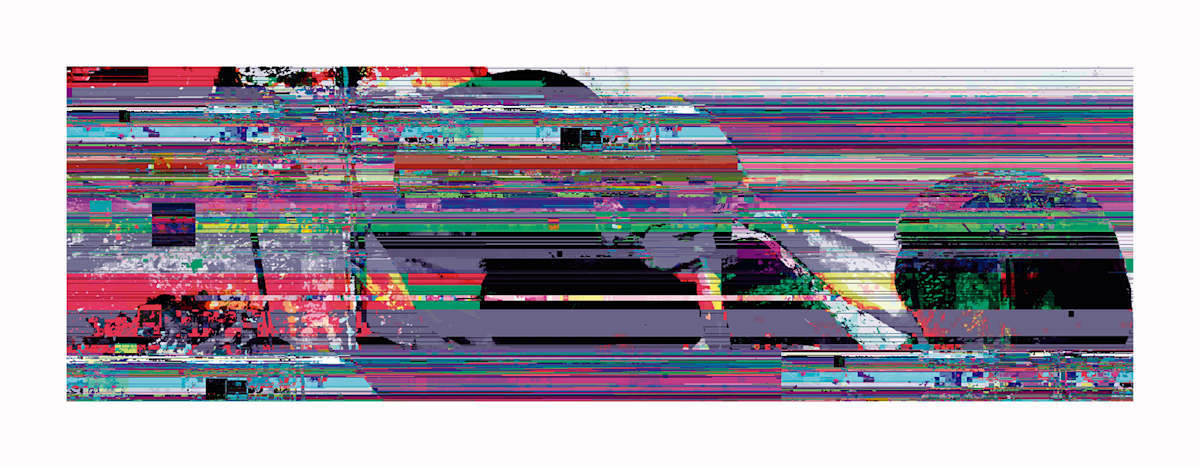
ESPAÑOL:
Hay artistas que coquetean con la exposición, y luego están los que la sobreviven—y regresan sosteniendo el cuchillo, la cámara, el relato. Hélio Vianna pertenece con claridad a este segundo grupo. Su obra no nace únicamente de la teoría; se forja en las secuelas de la violación de la intimidad, en ese trabajo lento y nada romántico de recuperar un cuerpo que fue sacado de su control y puesto a circular sin consentimiento.
Hambre de Piel comienza ahí, pero se niega a quedarse ahí. Lo que pudo haber sido prueba se convierte en materia. Lo que alguna vez operó como vigilancia se transforma en autoría. Vianna fragmenta, interviene, reconfigura estas imágenes—no para ocultarlas, sino para replantear las condiciones bajo las cuales son vistas. La superficie digital no es un recurso estético vacío; es una cicatriz que aprendió a hablar.
Y aquí está el giro, el que importa: la vergüenza no sobrevive intacta a este proceso. Se desplaza. Pierde fuerza. El cuerpo que fue expuesto se convierte en un cuerpo que se expone a sí mismo—en sus propios términos, con intención, con deseo. Hay algo profundamente Queer en esa negativa a ser reducido al daño. No se trata de una sanación complaciente, sino de una transformación afilada. Apropiada.
Dentro de The Queer Gospel | Resurrection, la obra de Vianna no pide redención. Rechaza esa lógica por completo. Lo que propone, en cambio, es algo mucho más urgente: agencia. El derecho a desear sin disculpas. El derecho a ser visto sin rendirse. El derecho a convertir el trauma en un lenguaje que ya no pertenece a quien lo infligió.
Lo que estás viendo no es solo supervivencia. Es una reprogramación del poder—píxel por píxel, cuerpo por cuerpo, imagen por imagen—hasta que aquello que alguna vez hirió se convierte en algo que responde.
ENGLISH:
There are artists who flirt with exposure, and then there are artists who survive it—and come back holding the knife, the camera, the narrative. Hélio Vianna is firmly in the second camp. His work does not emerge from theory alone; it is forged in the aftermath of violation, in the long, unglamorous labor of reclaiming a body that was taken out of his control and circulated without consent.
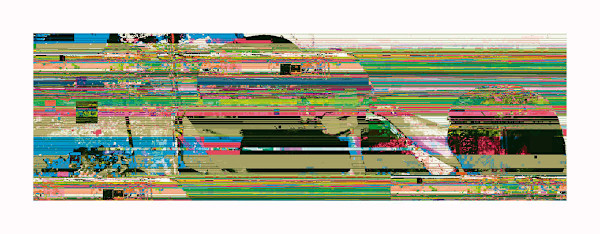
Hambre de Piel begins there, but refuses to stay there. What could have remained evidence becomes material. What once functioned as surveillance is reworked into authorship. Vianna fragments, glitches, and reconstitutes these images—not to obscure them, but to reframe the conditions under which they are seen. The digital surface is not a gimmick; it is a scar that has learned how to speak.
And here’s the turn, the one that matters: shame does not survive this process intact. It mutates. It loosens its grip. The body that was once exposed becomes a body that exposes itself—on its own terms, with intention, with appetite. There is something deeply Queer in that refusal to be reduced to damage. Not healed in the sentimental sense, but sharpened. Claimed.
Within The Queer Gospel | Resurrection, Vianna’s work does not ask for redemption. It rejects the premise entirely. What it offers instead is something far more urgent: agency. The right to desire without apology. The right to be seen without surrender. The right to transform trauma into a language that no longer belongs to the one who inflicted it.
What you are looking at is not just survival. It is a reprogramming of power—pixel by pixel, body by body, image by image—until what once harmed becomes something that answers back.
- Helio Vianna
- Hambre de Piel: Like a prayer I, 2025
- Ink On Paper
- 9.84 x 31.49 x 0.1 in (24.99 x 79.98 x 0.25 cm)
- $950
- Subject Matter: Revenge porn