• Portfolio
  • About
  • Collections
  • Log In
Artwork Archive Logo
  • Discovery

Tamara Dimitri

Connecticut

Message
  • Portfolio
  • About
  • Collections
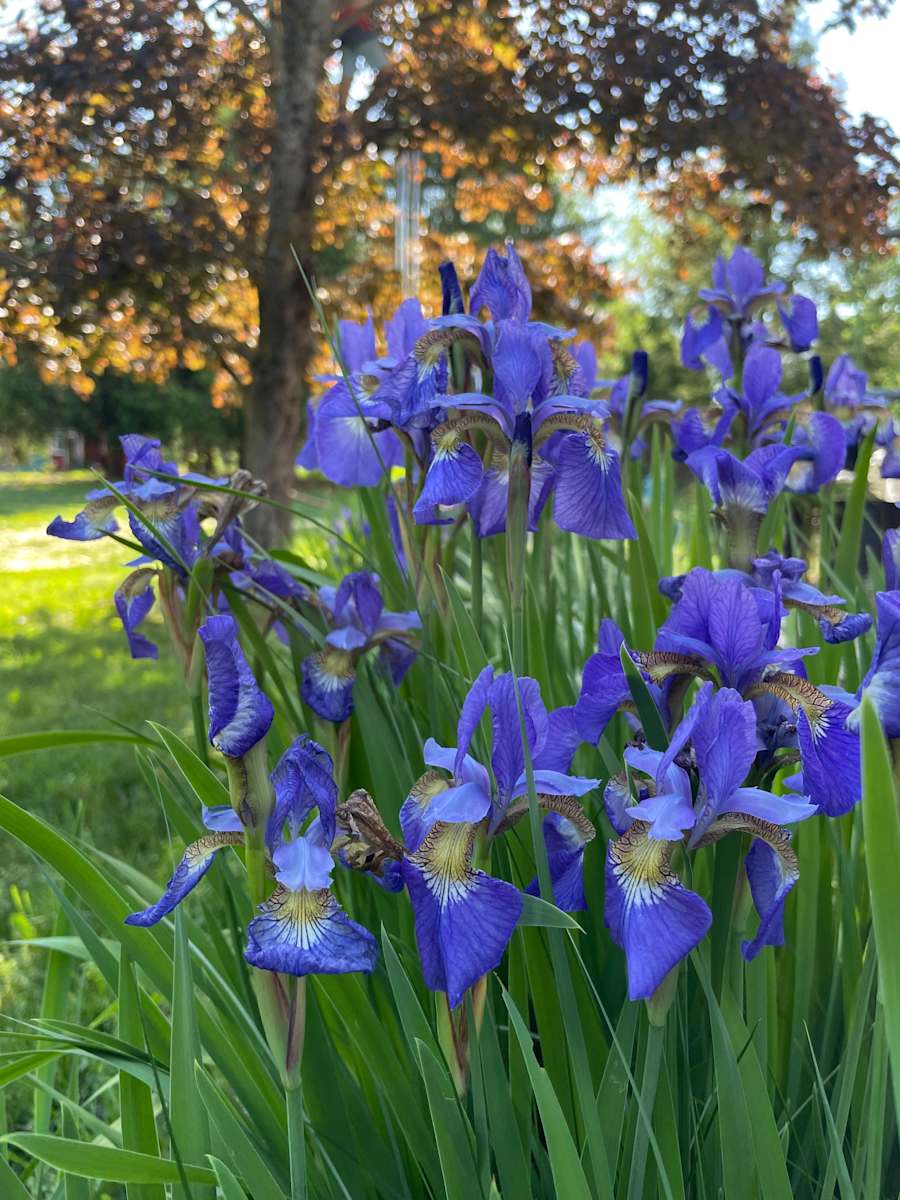
Siberian Iris by Tamara Dimitri
  • Tamara Dimitri
  • Siberian Iris
  • Inquire
  • Facebook logo facebook Share this blog post via Facebook
  • Twitter logo twitter Share this blog post via Twitter
  • LinkedIn logo linkedin Share blog post via LinkedIn
  • Email logo email Share this blog post via email
Prev
Next

Siberian Iris is an easy to grow, medium tall, clumping, low maintenance, versatile perennial that is native to Central and Eastern Europe. Its showy flowers, interesting seed pods and bluish green strappy foliage make this a wonderful specimen plant. Siberian Iris generally blooms in shades of bluish-purple; however some of its cultivars have been introduced in white, pink, orange, red, and yellow. The word iris translates to the goddess of the rainbow in Greek mythology. Through history, its blooms have been a symbol of monarchs and royal families. The flower's shape is the inspiration for the french 'fleur-de-lis'. Siberian Iris typically reaches a height of 2 feet, although some cultivars can be taller. Flowering profusely, clumps can produce 12 to 20 flowers.

It is a moisture loving plant, and will thrive near a stream or edge of a pond, wherever soil is evenly moist. Well established plants will tolerate some drought. Grow in full sun. Shade can have an effect on the plants performance. Too much shade may cause the plant to lay over and flowers to produce fewer blooms. In the southeast, protect from hot afternoon sun. Siberian Iris tolerates a wide variety of soils, but will perform best when grown in moist fertile, organically rich, slightly acidic, well drained soils. Divide the plants about every three years, or once the plants become over crowded and fewer blooms appear.

Growing from rhizomes that will spread, over time your iris will form a beautiful clump of blooms. They are perfect for cutting and including in an arrangement. When the clumps become too large, they can be easily divided. Remove the rhizomes from the garden by gently loosening the surrounding soil. Rocking the plant back and forth will help protect the rhizome from damage during removal. After cutting back to 6 to 8 inches, each clump can be cut with a sharp knife. Ensure that each division contains at least two fan division Plant each division, cover with 1 to 2 inches of soil and keep moist for 6 to 8 weeks. The best planting time for the southeast is fall. Plant in the spring in cooler winter areas. It may take more than one season for the plants to bloom, but planting in the fall will give them a head start. Siberian Iris bloom best after a cold period in winter. A lack of cold period may reduce blooms and the plant's ability to produce new bulbs. In USDA hardiness 8b and above, warm winters may hinder these blooms. Until established, this plant prefers consistent moisture. It tolerates drought after it has been established in one or two seasons. This plant is less prone to pests and diseases of other Irises.

Insects, Diseases, and Other Plant Problems: Occasional issue can occur, such as bacterial soft root. Slugs and snails may can cause damage, however, they too are not a persistent problem. Wear gloves when handling this plant as the sap can cause skin irritation.

  • Collections: Plant Life - backyard gardens
Other Work From Tamara Dimitri

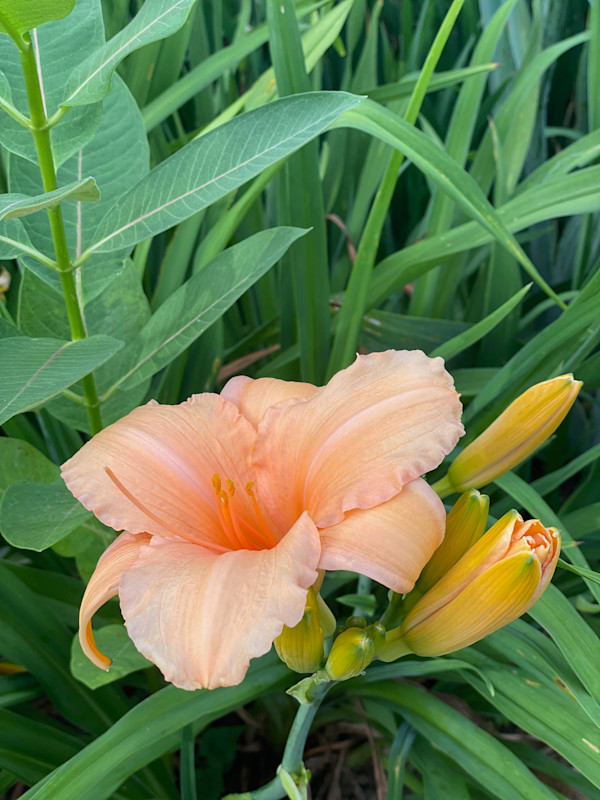
day lily by Tamara Dimitri
day lily
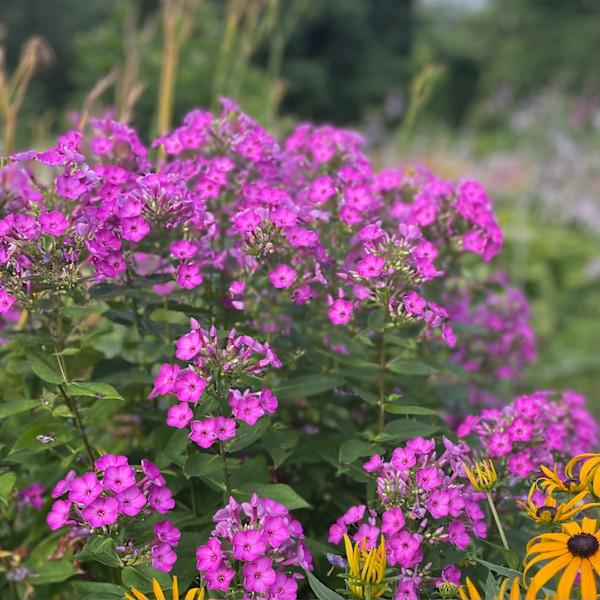
Tall Phlox by Tamara Dimitri
Tall Phlox
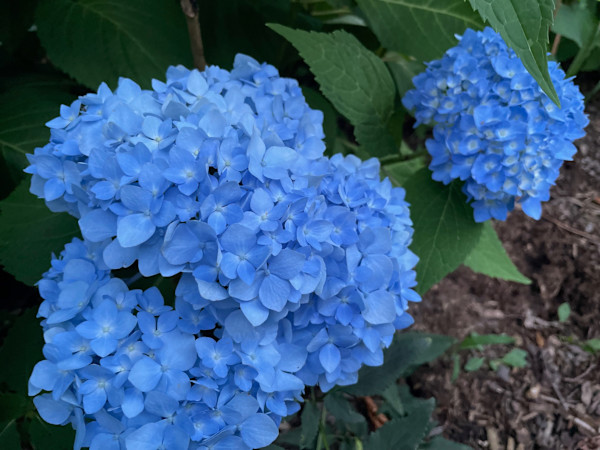
Endless Summer Blue Hydrangea by Tamara Dimitri
Endless Summer Blue Hydrangea
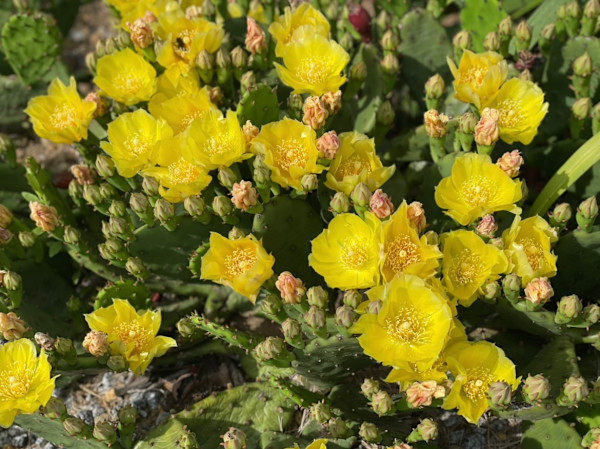
Eastern Prickly Pear cactus by Tamara Dimitri
Eastern Prickly Pear cactus
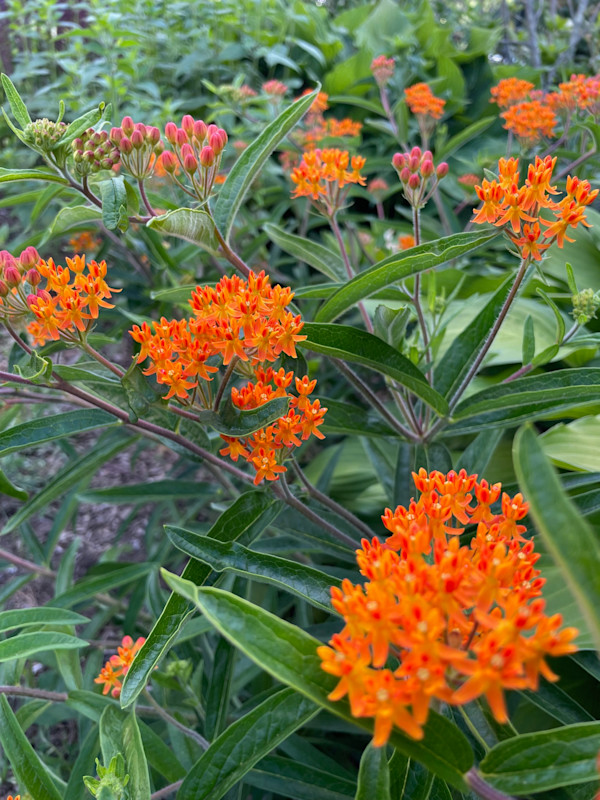
Butterfly Weed by Tamara Dimitri
Butterfly Weed
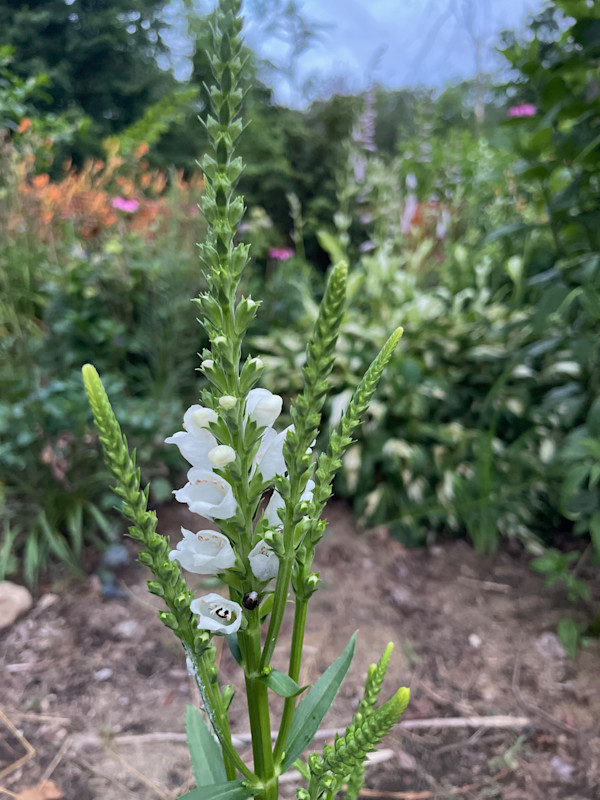
Obedient Plan by Tamara Dimitri
Obedient Plan
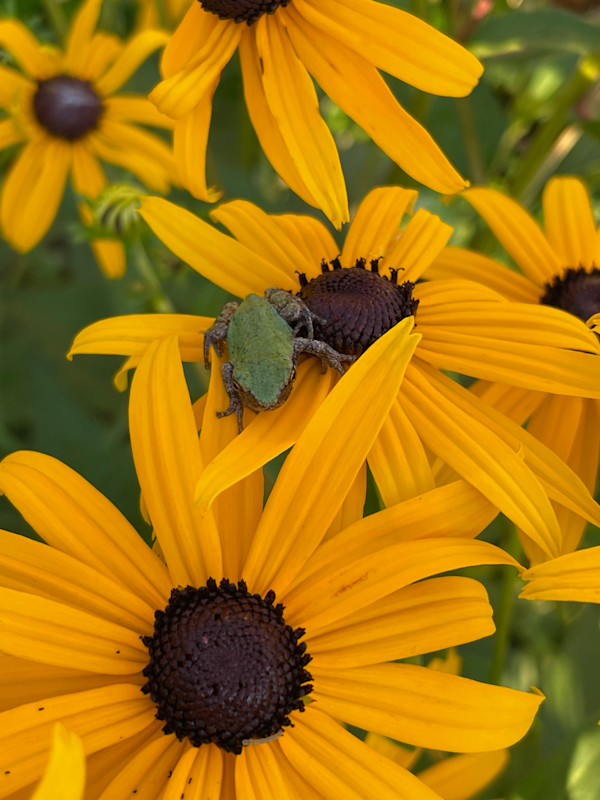
Black-Eyed Susan by Tamara Dimitri
Black-Eyed Susan
Native Lupine by Tamara Dimitri
Native Lupine
Blazing Star by Tamara Dimitri
Blazing Star
Coneflower by Tamara Dimitri
Coneflower
See all artwork from Tamara Dimitri
 

Powered by Artwork Archive