
-
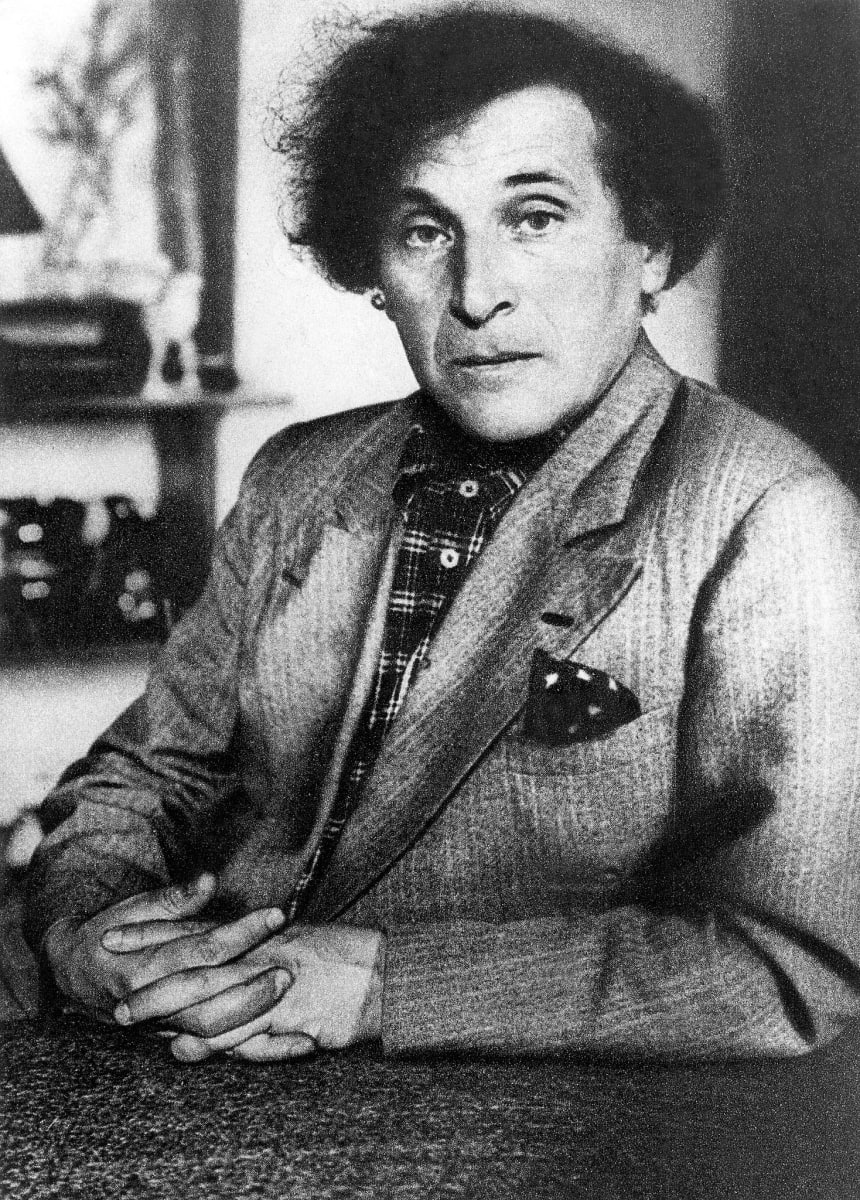
Artist: Marc Chagall (Russian-French, 1887-1985)
In 1910, with a living allowance provided by a St. Petersburg patron, Chagall went to Paris. After a year and a half in Montparnasse, he moved into a studio on the edge of town in the ramshackle settlement for bohemian artists that was known as La Ruche (“the Beehive”). The four years of his first stay in the French capital are often considered Chagall’s best phase. His colors, although occasionally thin, were beginning to show the characteristic complexity and resonance he would eventually achieve.
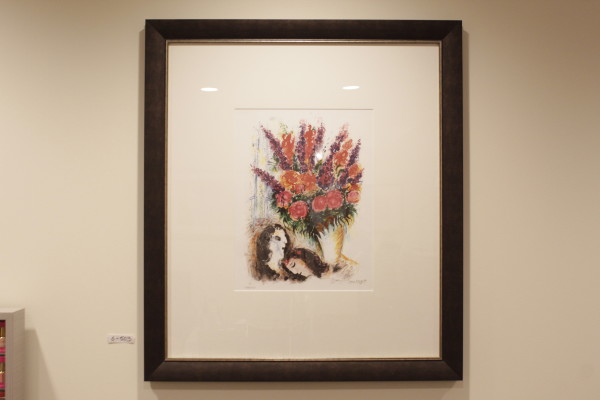
Chagall’s repertory of images, including massive bouquets, melancholy clowns, flying lovers, fantastic animals, biblical prophets, and fiddlers on roofs, helped to make him one of the most popular major innovators of the 20th-century School of Paris. He presented dreamlike subject matter in rich colours and in a fluent, painterly style that—while reflecting an awareness of artistic movements such as Expressionism, Cubism, and even abstraction—remained invariably personal. Although critics sometimes complained of facile sentiments, uneven quality, and an excessive repetition of motifs in the artist’s large total output, there is agreement that at its best it reached a level of visual metaphor seldom attempted in modern art.