
-
Artist: Wynn Chamberlain (1927-2014)
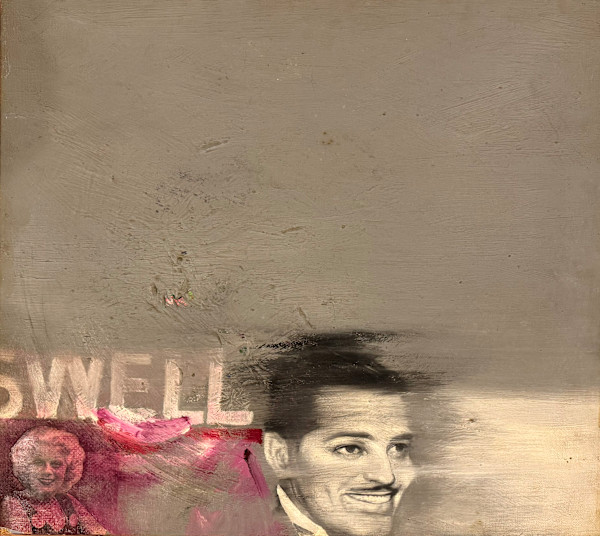
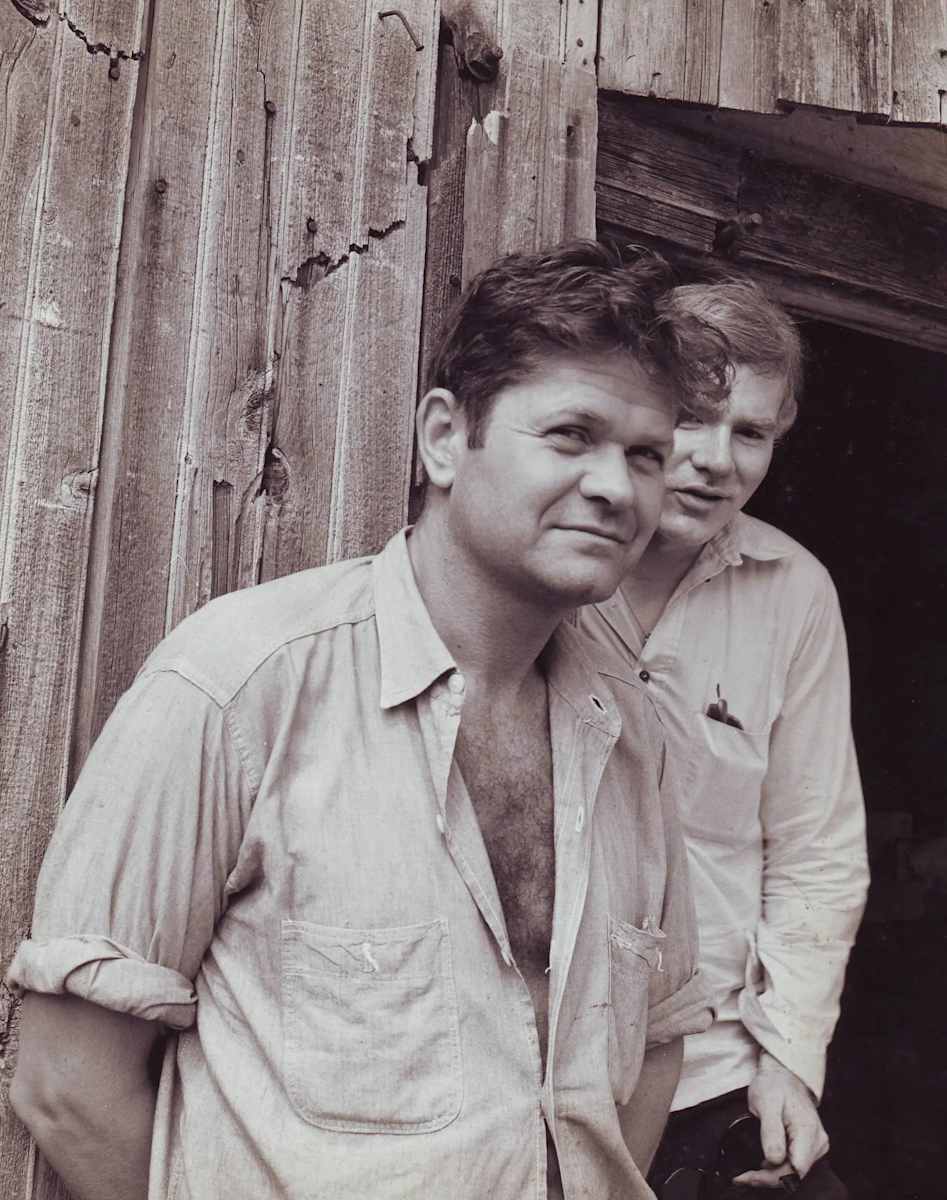
Wynn Chamberlain’s life unfolded as a restless journey through the heart of American art and counterculture. Born in Minneapolis in 1927, he served in the US Navy during World War II before pursuing art at the University of Idaho and philosophy at the University of Wisconsin, where he studied with Magic Realist John Wilde. Chamberlain’s early years were marked by a meticulous realism—his landscapes, interiors, and allegorical scenes drew on the techniques of the Northern Renaissance, earning him early acclaim and exhibitions across the US and Europe.
In the 1960s, Chamberlain’s Manhattan studio became a gathering place for poets, painters, and provocateurs. He captured this world in a series of hyper-realist nude portraits of New York’s creative elite, including his now-famous “Poets Dressed and Undressed,” featuring Frank O’Hara and other luminaries. The 1965 exhibition caused a sensation, with critics praising his technical mastery and audacious vision. Chamberlain’s paintings from this period, such as "Interior: Late August" and "The Barricade," are now part of the Smithsonian American Art Museum’s collection.
Chamberlain’s significance lies in his fearless exploration of the boundaries between realism and avant-garde experimentation. He was a unique figure who bridged the worlds of painting, film, and literature, capturing the spirit of his era with both precision and wit. His unique contribution was to document—and participate in—the vibrant, often chaotic cultural ferment of the 1960s, from his realist canvases to his underground film "Brand X" (1970), which satirized American media and featured Andy Warhol’s Factory regulars.
In 1970, disillusioned with the art world, Chamberlain famously burned his paintings and moved to India, seeking spiritual renewal. There, he immersed himself in Hinduism, an experience that later inspired his novels "Gates of Fire" and "Then Spoke the Thunder." Returning to the US, he lived simply in California, shifting his creative energy to writing. When he died in New Delhi in 2014, Chamberlain left behind a legacy of continual reinvention—a testament to an artist who never stopped searching for new ways to see and express the world.
You can view Wynn Chamberlain’s artwork in several major American museum collections:
Smithsonian American Art Museum (Washington, D.C.): The Smithsonian holds two of Chamberlain’s major works, Interior: Late August (1955) and The Barricade (1958), in its permanent collection. These pieces exemplify his early realist style and are sometimes on display or accessible through the museum’s online collection.
Whitney Museum of American Art (New York): Chamberlain’s painting Celebration (1954–1955), a tempera and ink work on composition board, is part of the Whitney’s permanent collection. While it is not always on public view, it is preserved and catalogued by the museum, and information about the work is available online.
Other Institutions: Chamberlain’s works have also been exhibited at the National Portrait Gallery in Washington, D.C., and are held in various public and private collections. His art is periodically included in special exhibitions at institutions such as the Smithsonian and the Whitney, so checking current exhibition schedules is recommended.
For the most up-to-date opportunities to see his work in person, consult the online collection databases and exhibition calendars of these museums. Many of his works can also be explored digitally through museum websites.