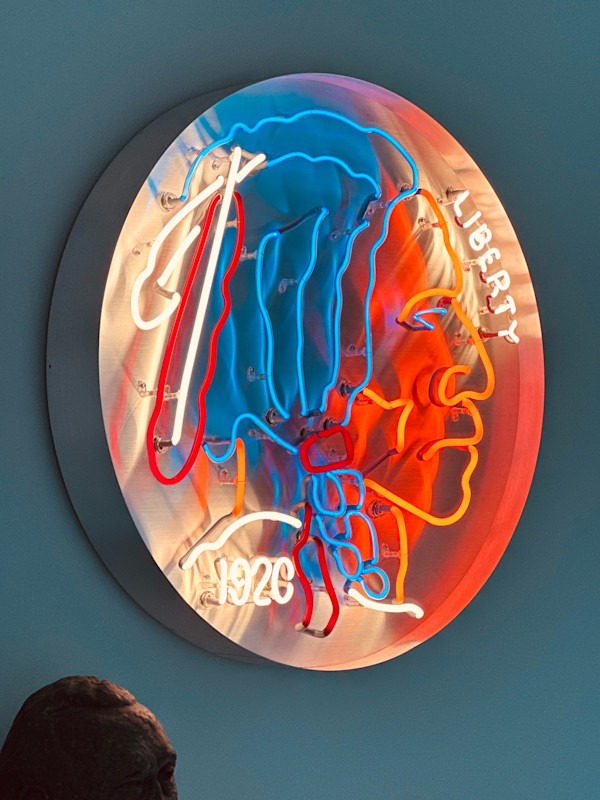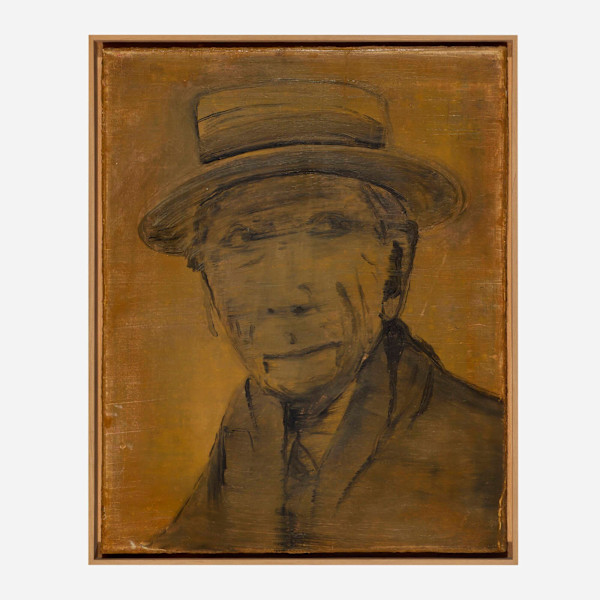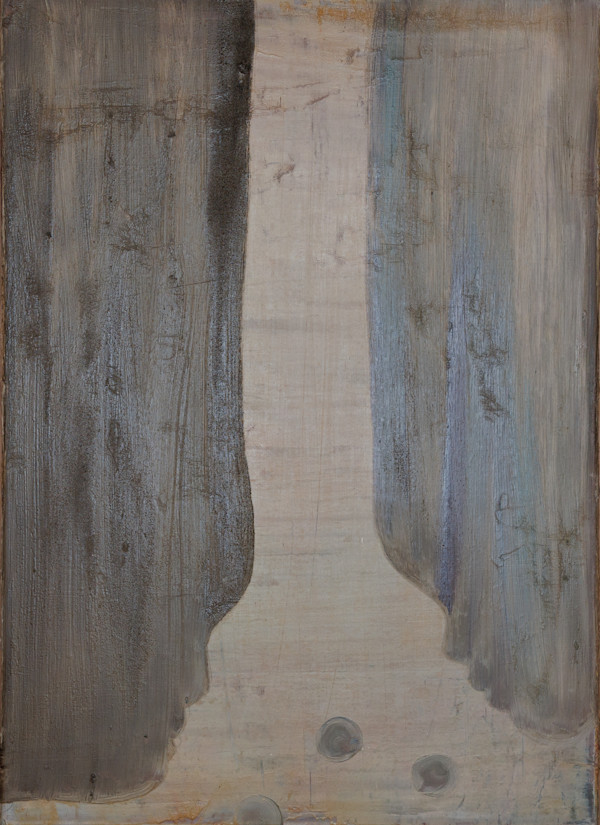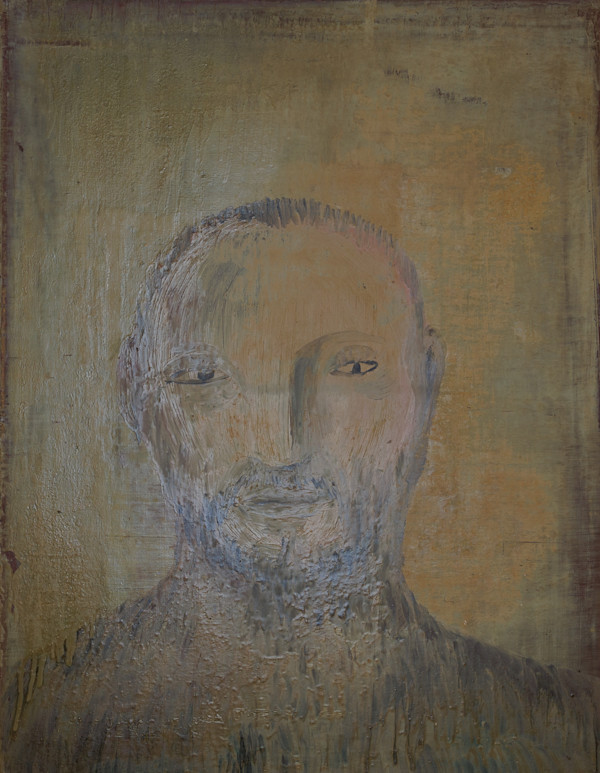

- Kody Shafer
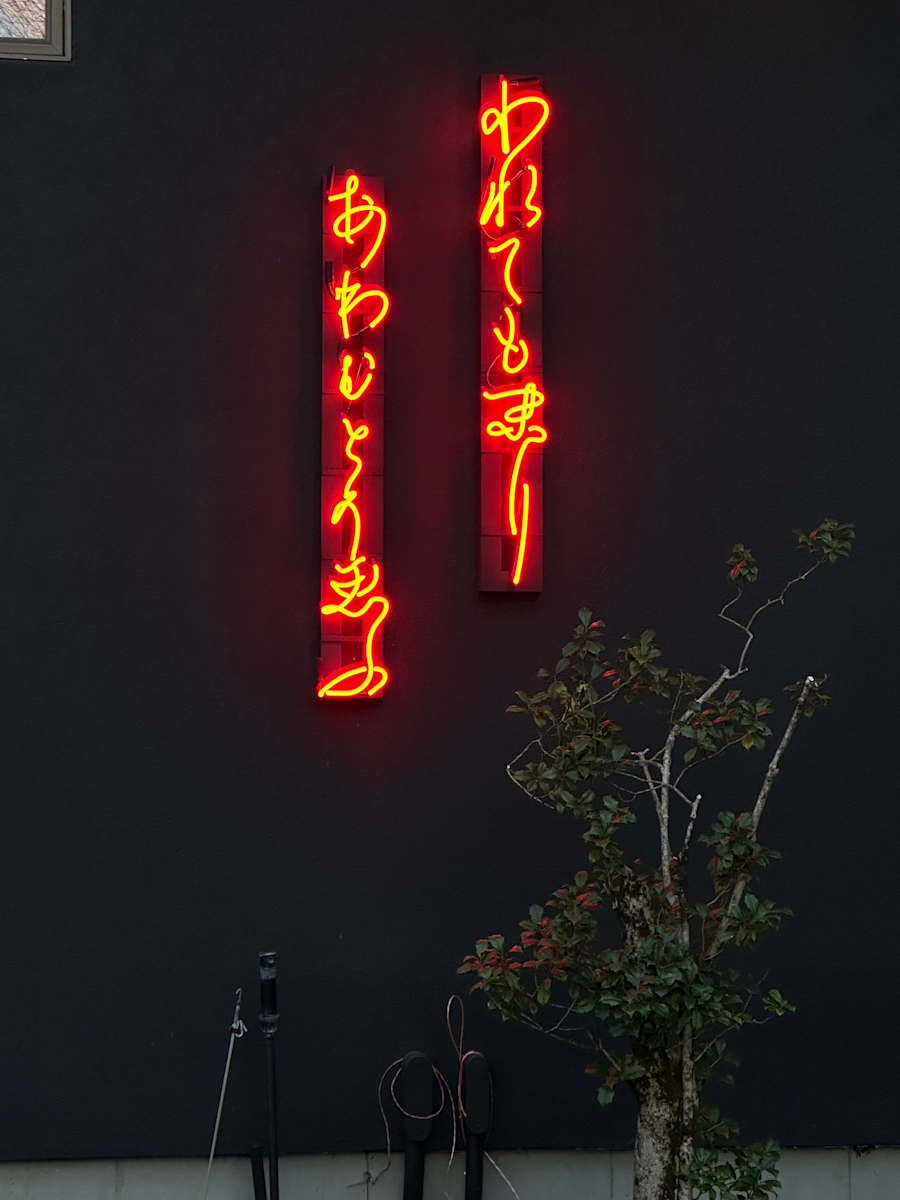
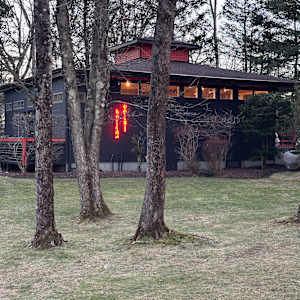
- Where the River Rejoins, 2025
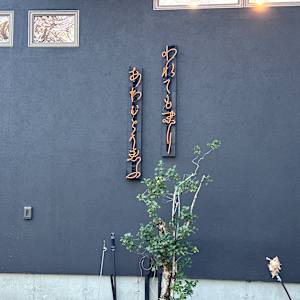
- Neon tubing - Murano Italian Citrus Orange Glass tubing - filled with neon gas.
- 60 x 28 in
Drawing inspiration from the poetry collection Paul identified as his favorite at the Pavilion, I developed a concept for the outdoor pavilion wall centered on waka poetry. Dating back to the 7th century, waka is one of the oldest forms of Japanese literature. It is more than written language, serving as a refined emotional and spiritual expression that has influenced Japanese art, craft, and culture for over a thousand years. The most well-known form of waka is the tanka, a five line poem with a 5-7-5-7-7 syllable structure. Rather than expressing feelings directly, poets evoke emotion through seasonal imagery and fleeting moments in nature. This approach gives rise to the quiet, introspective qualities that define traditional Japanese aesthetics.
From the classic collection of One Hundred Waka Poems, we selected two to feature in the design. Due to space limitations, we chose to highlight only the final two lines, known as the shimo-no-ku.
Though swift river flows
Blocked by a rock in its path
It splits, rushes on
Divided currents travel
And at last they join as one
In this poem, Emperor Sutoku (1119 to 1164), a former Japanese emperor known for his poetic expression, uses the image of a flowing river that is briefly divided by a rock before coming back together to reflect separation from a loved one. The poem expresses both the sadness of parting and a quiet hope for reunion, suggesting that even when people are apart, there is a natural pull that brings them back together. A simple interpretation could be: Even when separated, what truly belongs together will find its way back.
- Current Location: Ridgefield, CT
- Collections: The Leir Collection