
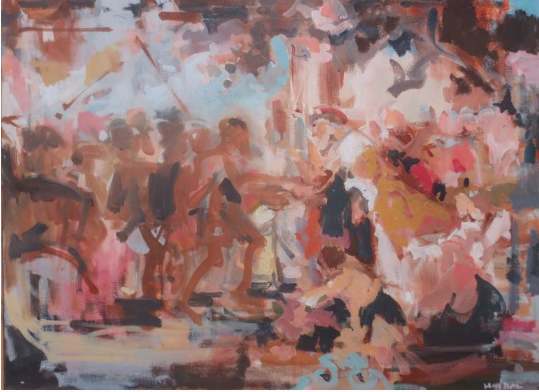
### Tribes Exchanging Gifts
*(after Rubens)*
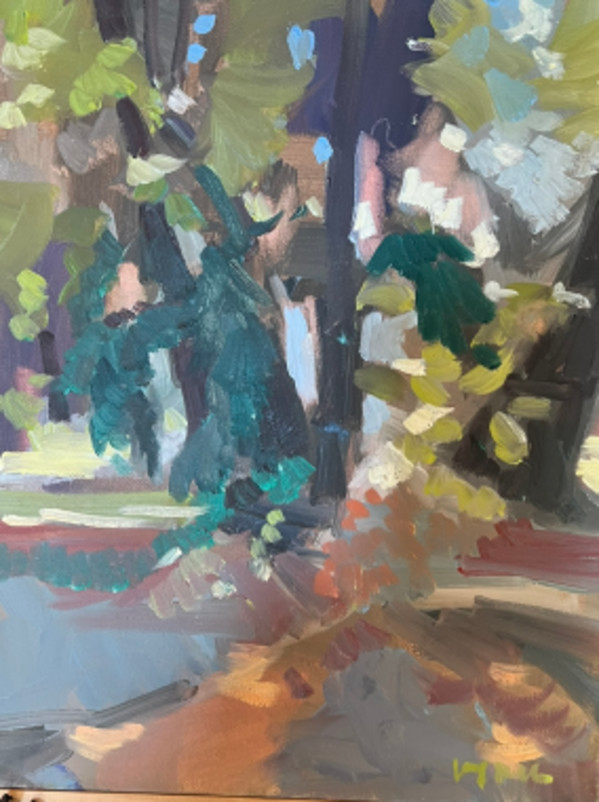
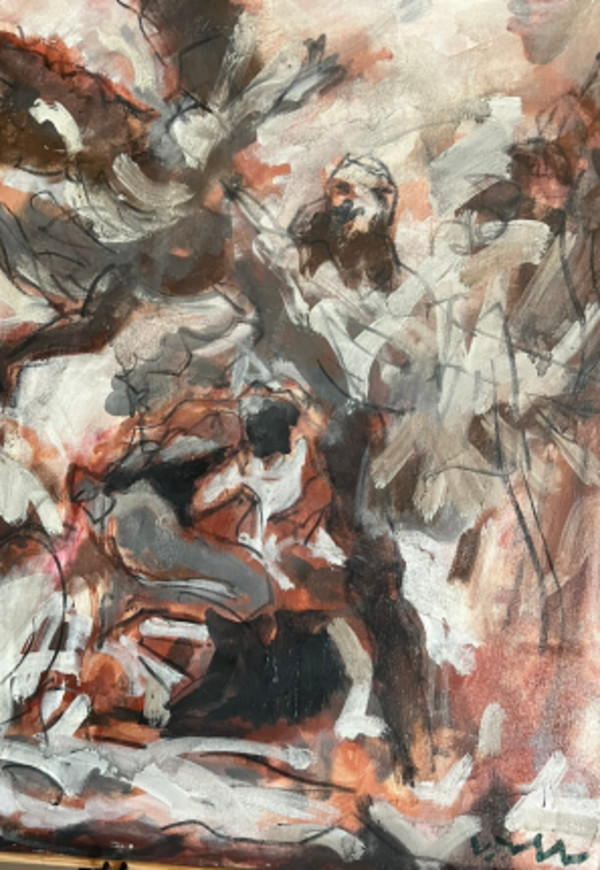
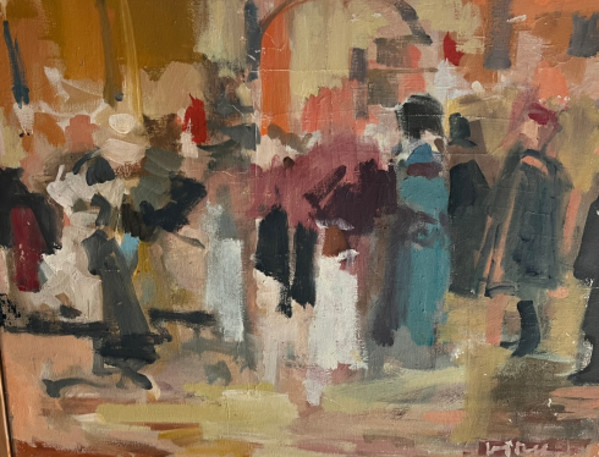
Inspired by a composition by Peter Paul Rubens yet reimagined through the language of American Verismo, *Tribes Exchanging Gifts* transforms a historical and biblical theme into a contemporary meditation on reconciliation. Rather than emphasizing narrative detail, the painting seeks to capture the emotional essence of a pivotal human moment: former rivals setting aside conflict in favor of mutual recognition and peace.
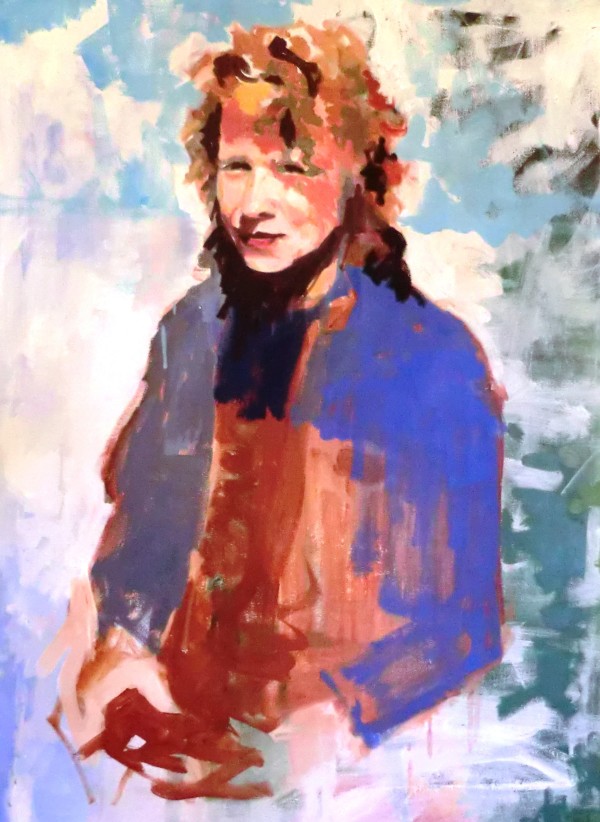
Rendered in the artist's distinctive *macchia* style, figures emerge and dissolve within a vibrant orchestration of color and gesture. Forms are suggested rather than described. The eye discovers fragments of bodies, exchanged offerings, and implied movement, much as memory recalls the emotional truth of an event without preserving every detail. This deliberate ambiguity invites viewers to participate in the act of seeing, assembling meaning from the energetic interplay of marks and masses.
While the subject originates in a sacred narrative, the painting speaks to concerns that remain urgently contemporary. Across cultures and throughout history, societies have struggled with division, mistrust, and conflict. The simple act of exchanging gifts becomes a profound symbol of diplomacy, empathy, and shared humanity. The work suggests that peace often begins not through conquest but through gestures of generosity and respect.
The painting also demonstrates a central principle of American Verismo: that abstraction and realism are not opposites but partners. Though highly abstracted, the work remains rooted in observable human experience. The visible brushwork, layered passages of paint, and unresolved forms create a sense of life unfolding before the viewer rather than a polished reconstruction of the past.
In this way, *Tribes Exchanging Gifts* becomes more than a study after an Old Master. It is a contemporary reflection on one of civilization's oldest aspirations—the hope that individuals, communities, and nations might discover common ground through acts of understanding rather than domination. Within its swirling passages of color and light, the painting offers a vision of harmony born not from uniformity but from the willingness to meet one another halfway.
- Collections: The Gordon Hotel