

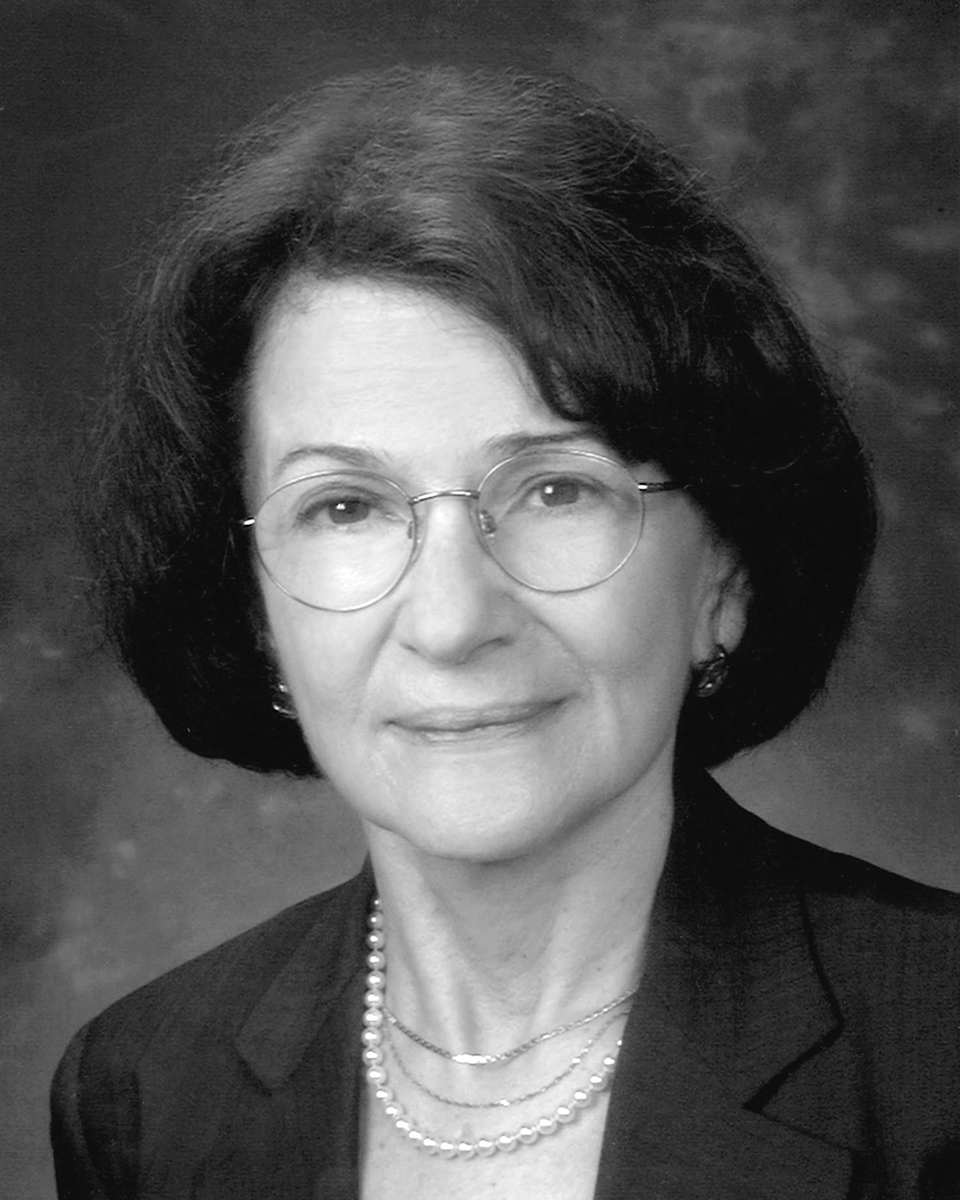
Patricia Goldman-Rakic - Pioneer of the Human Brain
Born: April 22, 1937, Salem, Massachusetts, U.S.A.
Died: July 31, 2003, Hamden, Connecticut, U.S.A.
Patricia Goldman-Rakic was a pioneering neuroscientist whose groundbreaking research on the prefrontal cortex and working memory transformed our understanding of the human brain.
She was born on April 22, 1937, in Salem, Massachusetts, and grew up with her family in nearby Peabody, Massachusetts, where she went to high school. From a young age, she loved learning and was curious about science.
Patricia attended Vassar College, where she studied neurobiology. She graduated with honors in 1959. Next, she went to the University of California, Los Angeles (UCLA) to earn her Ph.D. in developmental psychology in 1963. These degrees helped her start her long career in brain research.
After graduate school, Patricia did more research at UCLA and other places before joining the National Institute of Mental Health (NIMH) in 1965. There, she began studying the prefrontal cortex, a part of the brain that plays a big role in memory and thinking. Before her work, many scientists thought this area of the brain was too hard to study, but Patricia proved they were wrong.
At NIMH, Patricia made one of her first major discoveries. She showed that the prefrontal cortex is not just a jumble of cells. Instead, it has specialized parts that help the brain work properly. This helped scientists learn how memory and thinking might be connected to brain structure. Her findings were important for later research on diseases like schizophrenia and Parkinson’s disease.
In 1979, Patricia moved to Yale University, where she became a professor in neuroscience, psychiatry, and other fields. She continued her studies on how the brain works, especially how the prefrontal cortex helps hold memories in mind. Scientists call this type of memory working memory, and Patricia’s work helped explain how it happens at the level of brain cells.
One of Patricia’s important scientific ideas was that different nerve cells in the brain help different kinds of memory tasks. She found that a brain chemical called dopamine plays a key role in helping the prefrontal cortex work correctly. Her studies showed that when dopamine is missing or not working correctly, memory and thinking can be affected. These discoveries helped future researchers understand thought problems in mental illnesses and pointed to new directions for treatments.
Patricia was not just a great researcher; she was also a leader. She published more than 300 scientific articles and helped start an important scientific journal called Cerebral Cortex. Her work blended different scientific methods and inspired many younger scientists, including women, to study the brain.
Throughout her life, Patricia received many awards and honors for her work. She was elected to the National Academy of Sciences and served as President of the Society for Neuroscience. She won prizes like the Lieber Prize in schizophrenia research and the Karl Lashley Award. These awards showed how highly her peers respected her contributions.
Patricia worked at Yale for the rest of her life, but her career ended suddenly in 2003. On July 31, 2003, she died after being hit by a car near her home in Hamden, Connecticut. She was only 66 years old. Scientists all over the world were very saddened by her loss, but her work continues to guide research in brain science.
Today, Patricia Goldman‑Rakic is remembered as a pioneer in brain science. Her work taught scientists how the prefrontal cortex works, especially how memory and thinking happen in the brain. Because of her research, many other scientists have continued exploring the brain and working to find better treatments for mental illnesses. Her discoveries and her courage as a woman in science remain an inspiration to students and researchers everywhere.
References:
“Patricia Goldman-Rakic.” Connecticut Women’s Hall of Fame, cwhf.org/inductees/patricia-goldman-rakic.
Arnsten, Amy F.T. “The Neurobiology of Thought: The Groundbreaking Discoveries of Patricia Goldman-Rakic 1937–2003.” PMC, 2013, pmc.ncbi.nlm.nih.gov/articles/PMC3767966/.
Goldman-Rakic, Patricia. “Patricia Goldman-Rakic (1937–2003).” Nature Neuroscience, nature.com/articles/1300325.
Keywords:
Science, Innovation, STEAM, Courage, Perseverance, Achievement, Responsibility, Make a Difference, Stand Up for Your Beliefs
- Collections: Art Gallery, Innovation Generation, Unsung Heroes