

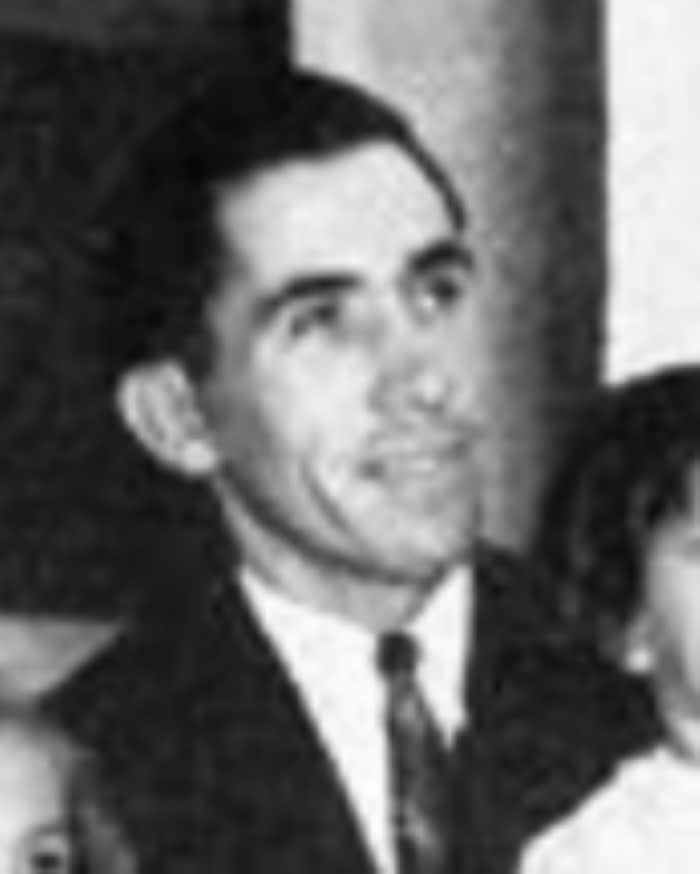
Alex Bernal - A Hero in the Fight for Fair Housing
Born: May 28, 1914, Corona, California, U.S.A.
Died: 1999, U.S.A.
Alex Bernal was a Mexican American homeowner whose courage in challenging racist housing laws helped weaken housing segregation and advance civil rights in the United States.
Alex Bernal was a brave Mexican American man who helped change unfair housing laws in the United States. He was born in Corona, California, on May 28, 1914, to Mexican parents and grew up in Fullerton, which was mostly made up of citrus farms and small neighborhoods where Mexican families often lived in separate areas from white families. These separate areas were called barrios. Because Mexican Americans were kept out of many neighborhoods, it was hard for families like the Bernals to own homes in places with good schools and jobs.
In the early 1940s, Alex worked hard driving a produce truck to support his family and dreamed of buying a home where his wife, Esther Muñoz De Anda, and their two daughters could live safely and comfortably. In 1943, the Bernals found a modest house at 200 East Ash Avenue in a neighborhood called the Sunnyside Addition in Fullerton and decided to buy it.
At that time, many neighborhoods in Orange County had racially restrictive covenants written into the property deeds. These were rules that said people of color, like Mexican Americans, were not allowed to live in certain areas. The covenant on the Bernals’ home said that “no portion of the said property shall at any time be used, leased, owned, or occupied by any Mexicans or persons other than of the Caucasian race.” Even though the Bernals did not know about this rule when they bought the house, they moved in, excited for a new life.
Almost immediately, some of their white neighbors became angry. Within a week of the Bernals moving in, someone threw their belongings into the street, and other neighbors signed petitions asking them to leave. When the family did not move, their neighbors sued them in the Orange County Superior Court to force them out of their own home because of the covenant.
Instead of giving up, Alex and Esther Bernal fought back in court. They hired a lawyer named David C. Marcus from Los Angeles. Marcus argued that the restrictive covenant was unfair and broke the Fifth and Fourteenth Amendments of the United States Constitution, which protect people’s rights to life, liberty, and property without unfair legal actions. The judge agreed with Bernal and ruled that the covenant could not be enforced by law. This decision was very important because it became one of the first times that a judge said such racially restrictive rules were not legal in housing cases.
The case, called Doss v. Bernal (1943), was an early and important victory in the fight against discriminatory housing rules long before the U.S. Supreme Court ended all racially restrictive covenants nationwide in Shelley v. Kraemer (1948). This court win helped set a legal example that would be used in later civil rights cases that continued challenging racism in housing and public life.
Even though the Bernals won their case and kept the right to own the house, they never lived in it. After the trial, Esther became very sick with cancer and passed away before the family could move in. The Bernals rented out the home for many years and later sold it.
Alex’s courage helped open doors for Mexican Americans and other people of color who were fighting discrimination in housing, schools, and jobs. His story was not well known for many years, but historians, writers, and students have helped share his legacy. Some local groups and filmmakers have even created documentaries and reenactments to honor the Bernal family and their contributions to civil rights.
Today, the story of Alex Bernal teaches us that everyday people can make a big difference when they stand up for fairness and justice. By challenging unfair laws, the Bernals helped make it harder for discrimination to continue in housing. Their bravery is part of the long struggle for equal rights in the United States and reminds us why fairness under the law is so important for everyone.
References:
“More Latino Heritage Initiative Research.” Latino Heritage Internship Program, latinoheritageintern.org/more-latino-heritage-initiative-research/.
“Doss v. Bernal: Fighting Housing Segregation in Fullerton.” Fullerton History, fullertonhistory.com/2025/12/10/doss-v-bernal-fighting-housing-segregation-in-fullerton/.
“The Bernal Win Against Housing Covenants Sets Up Landmark Desegregation Cases Nationwide.” PBS SoCal Lost LA, www.pbssocal.org/shows/lost-la/bernal-house.
“Mi Casa Es Mi Casa: How Fullerton produce-truck driver Alex Bernal helped change the course of American civil rights.” OC Weekly, www.ocweekly.com/mi-casa-es-mi-casa-6424000/.
Keywords:
Civil Rights, Justice, Courage, Perseverance, Responsibility, Freedom, Stand Up for Your Beliefs, Challenge Injustices
- Collections: Art Gallery, Unsung Heroes